
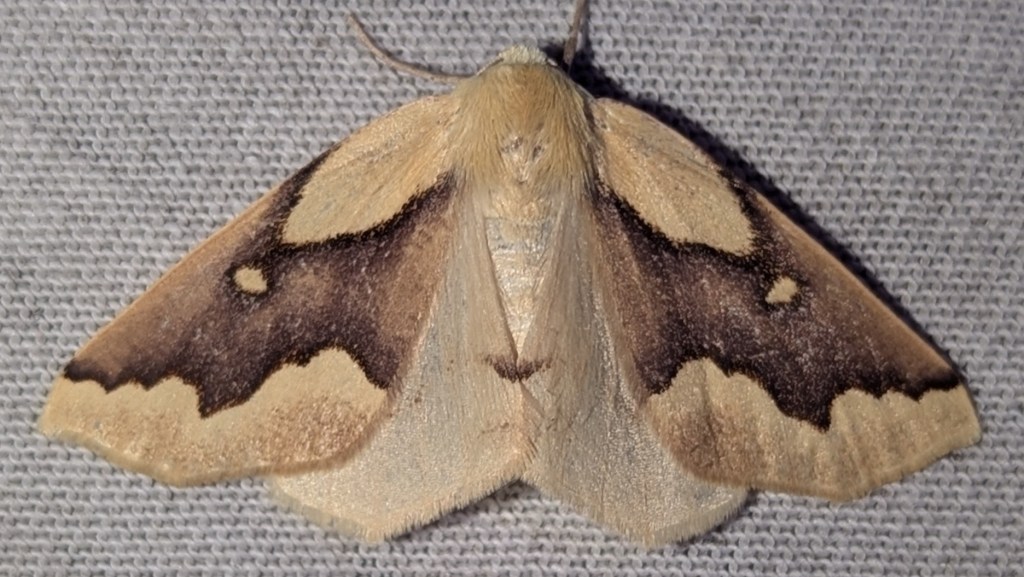
I picked up my fifth and final provincial Sabulodes the other week, right here on Bowen Island: Sabulodes edwardsata, which I’d argue is the most attractive of the species we get in BC. A fellow moth-er up on the Sunshine Coast had photographed several edwardsata in recent years, so when I stumbled out to the sheets one morning at 3:30 am, despite being blurry-eyed and half-conscious, I knew what it was right away. Pretty moth – I love their angular wing shape, like a designer had made a half-formed sketch, then decide they liked them as-is and didn’t need any further work.
I originally knew Sabulodes as the genus Enypia, but a paper co-authored and published in 2019 by Gunnar Brehm – creator of the lepiLED – did a phylogenetic analysis of some 1200 geometrids, and lumped the two genera. The previous grouping sure made intuitive sense visually: packardata, griseata and venata are all quite similar – grey and black, like variations on a theme. These were formerly Enypia. The two original Sabulodes – edwardsata and aegrotata – are visually quite different.
Let’s take a look at each.
Sabulodes aegrotata – Omniverous looper
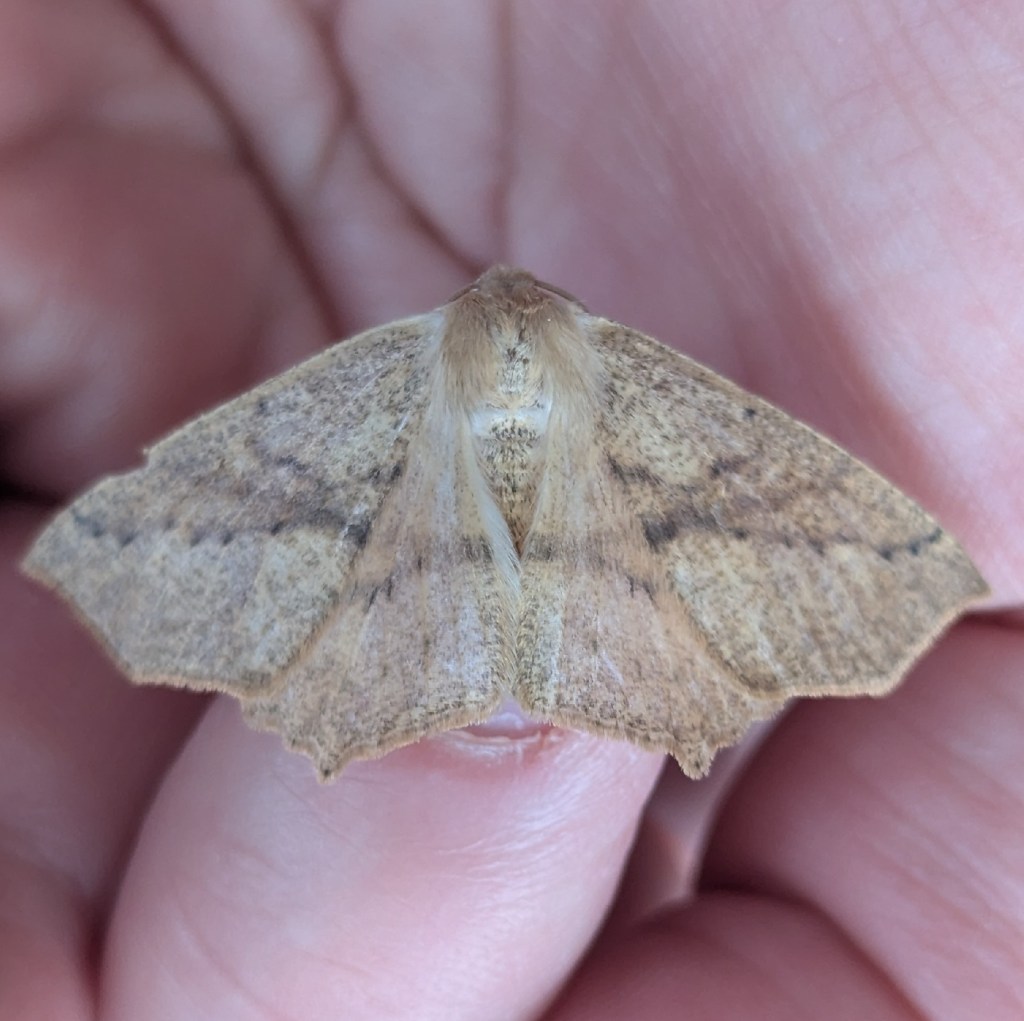
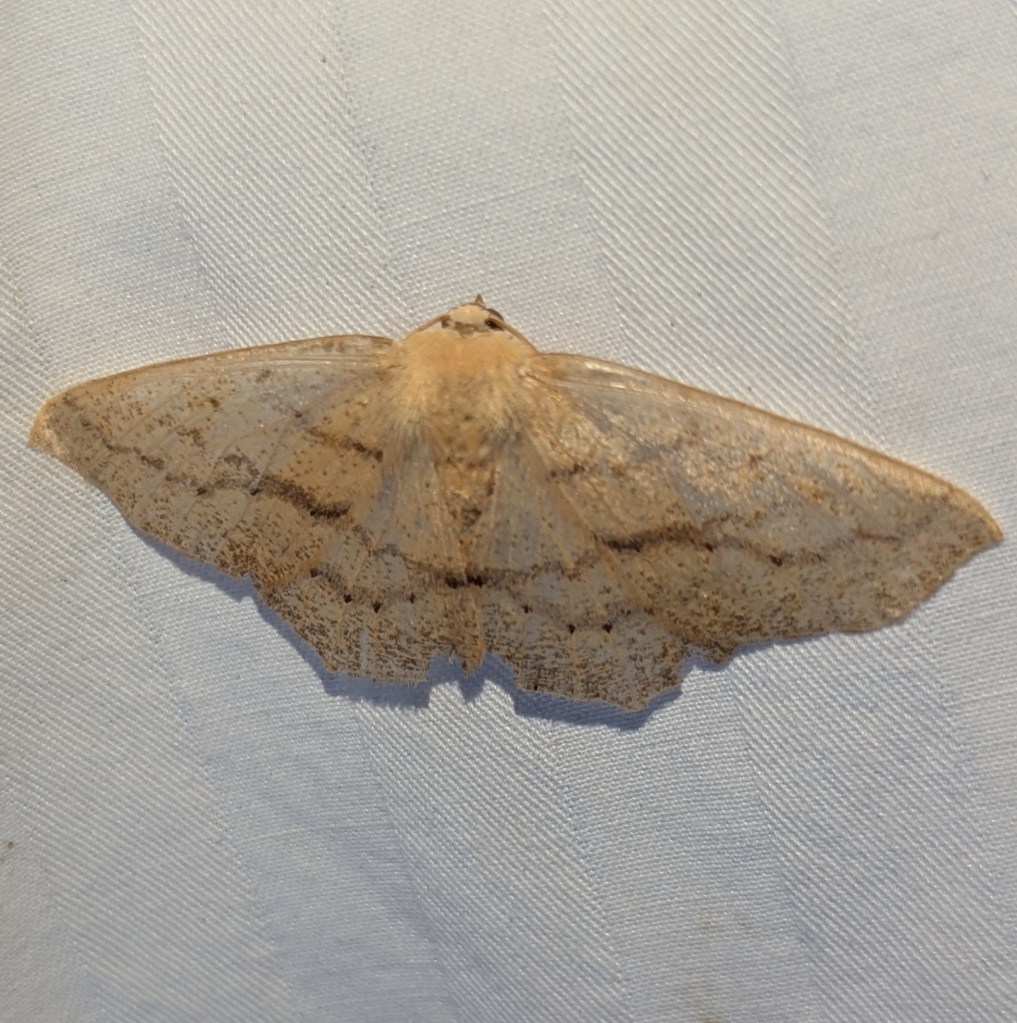
Surprisingly, this is the most commonly reported Sabulodes in the province on iNat. I say surprising because I’ve personally only seen two, both here on Bowen. Range-wise they’re fairly restricted within BC: here and the Sunshine Coast is the absolute northern tip of their range, which extends down the pacific coast to the northern tip of Mexico. I suspect the reason for their reported numbers being so high is the sheer number of naturalists around Victoria.
Presumably the common name comes from the larvae’s ability to use up to 27 plant families as host plants. Not a picky beast.
It’s a subtle but attractive moth; makes me almost think of Euclaenia or a less pointy, scruffy Tetracis.
Sabulodes packardata
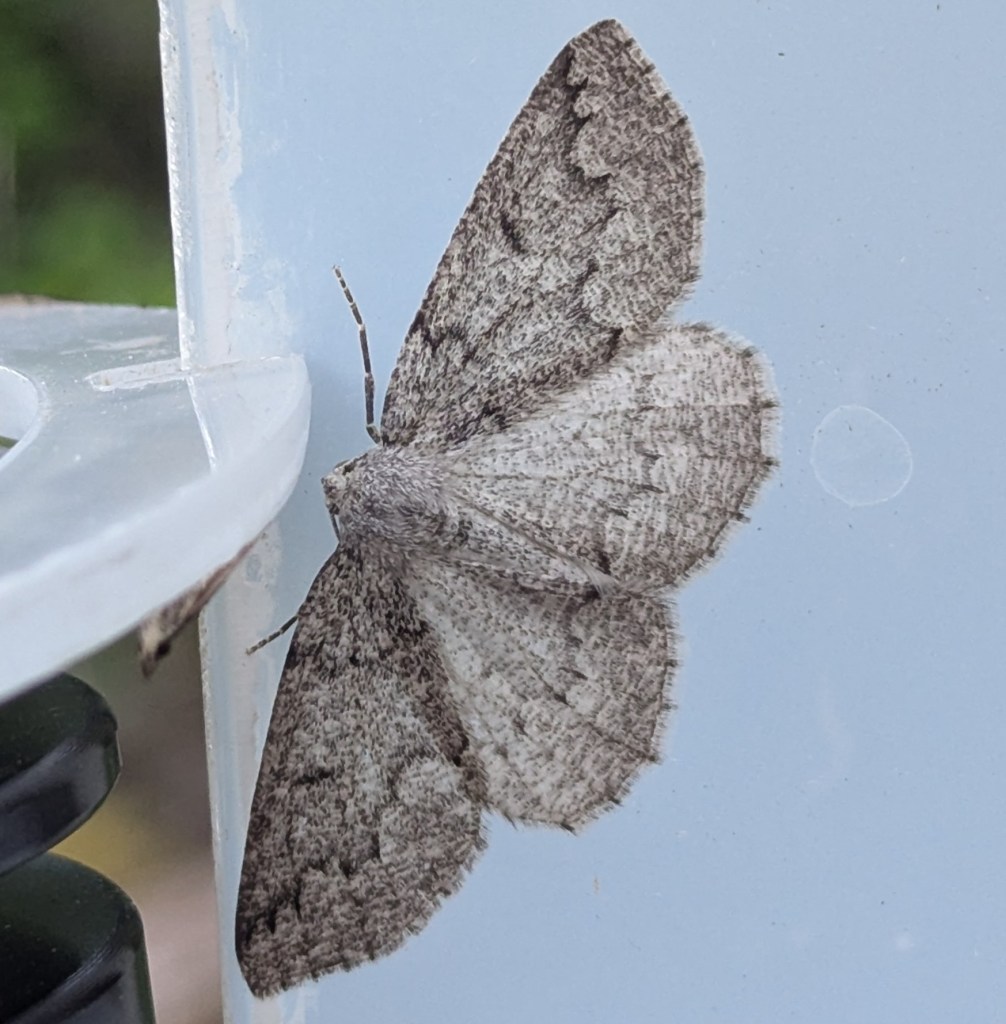
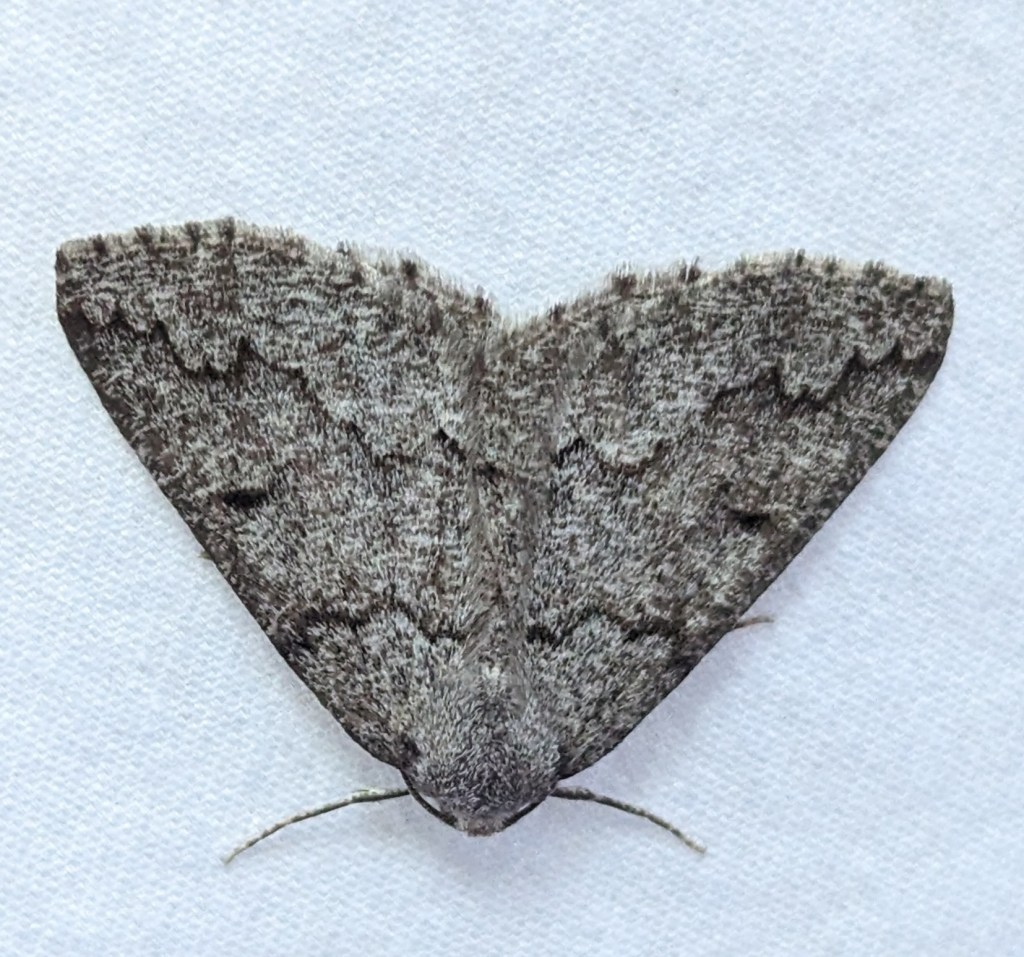
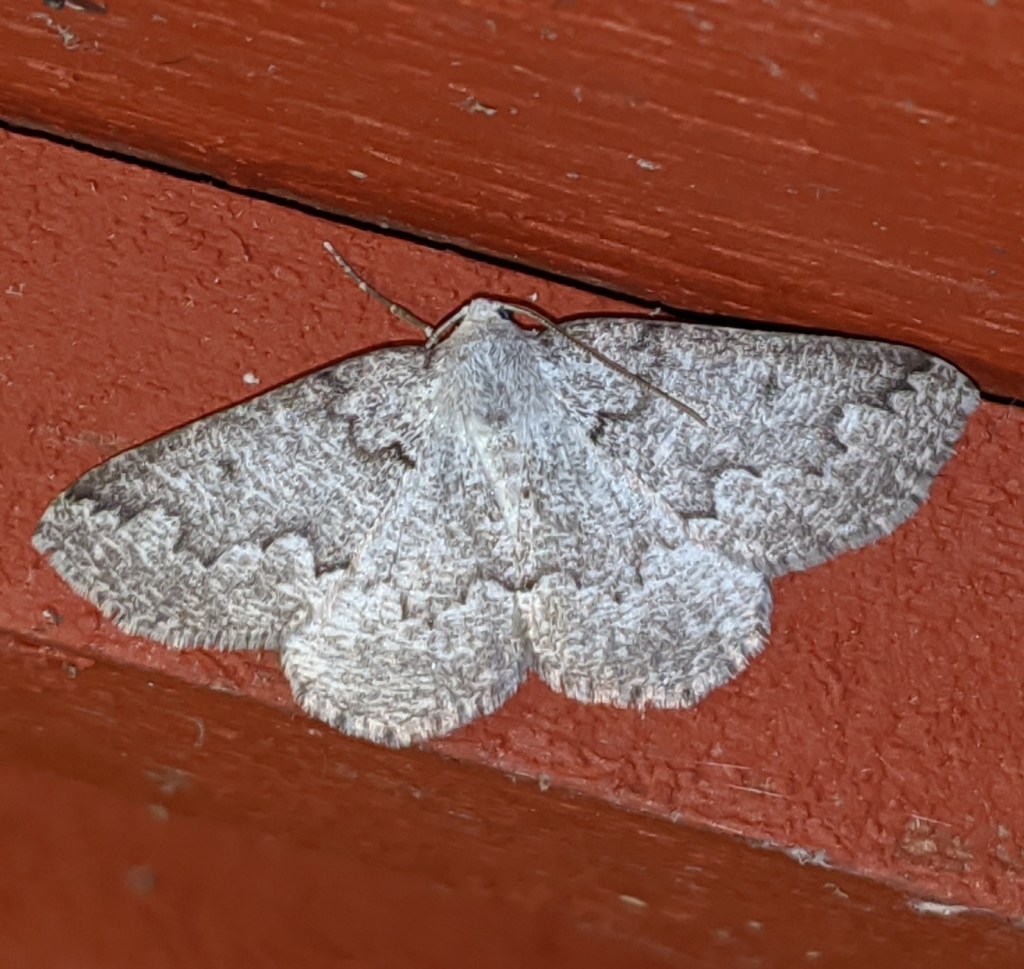
This, I suspect, is the true most common Sabulodes in the province. They’ve been spotted up in Alaska and across the southern half of the province. Most specimens I encounter are typically faded with less distinct markings; the three above are all in good nick.
Sabulodes venata – Variable girdle moth
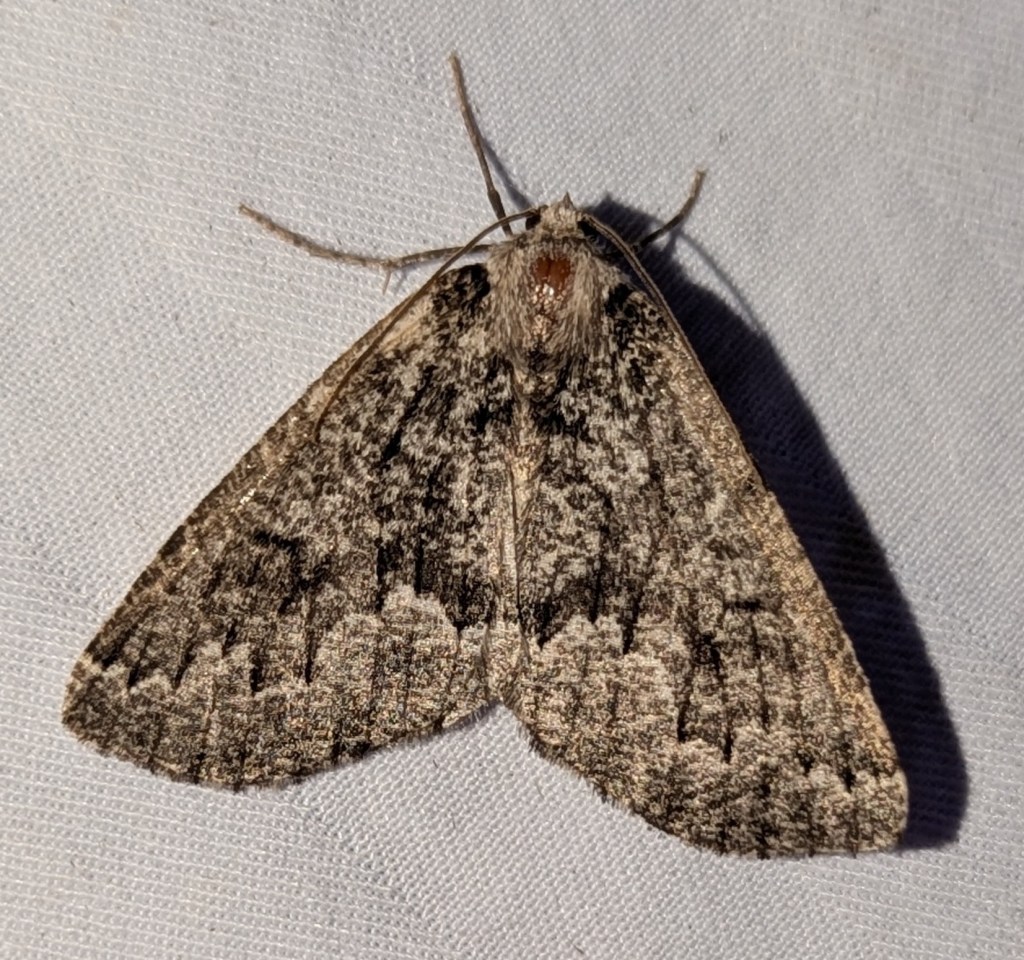
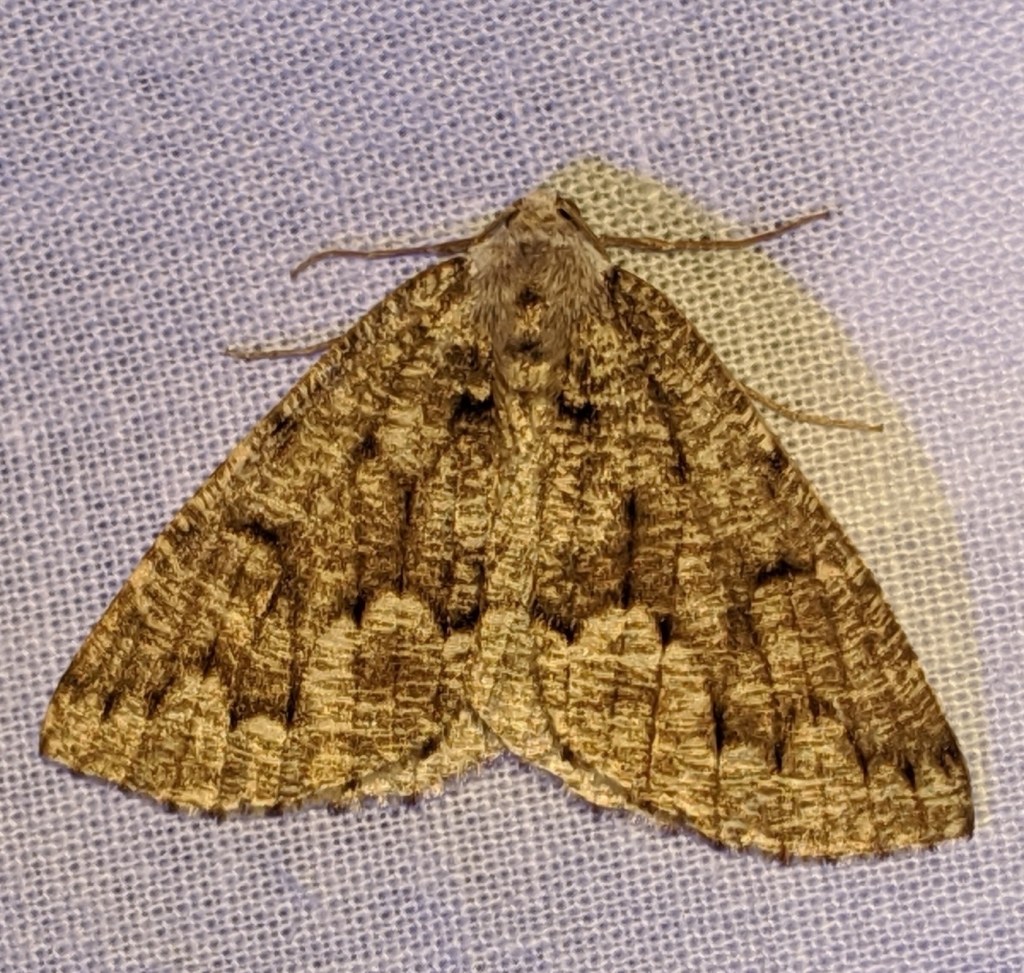
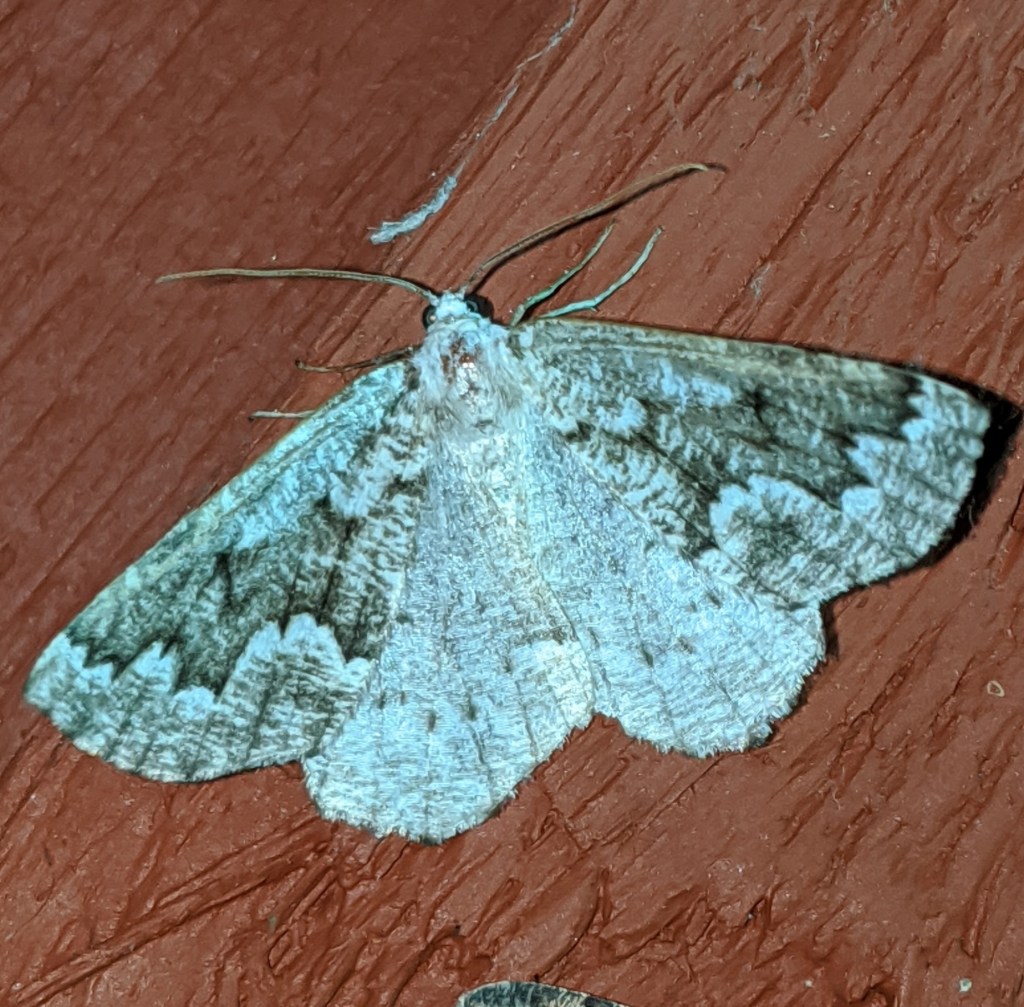
I’ve only seen four individuals of this moth, all on Bowen island, but they’re widespread over the province. They’ve all looked quite different from packardata – not easy to confuse. Those dark vertical lines and murky dark median regions are enough to make them stand out.
The “girdle” part in the common name refers to how the median area appears tucked in, like they’re wearing a girdle.
Sabulodes griseata – Mountain girdle moth
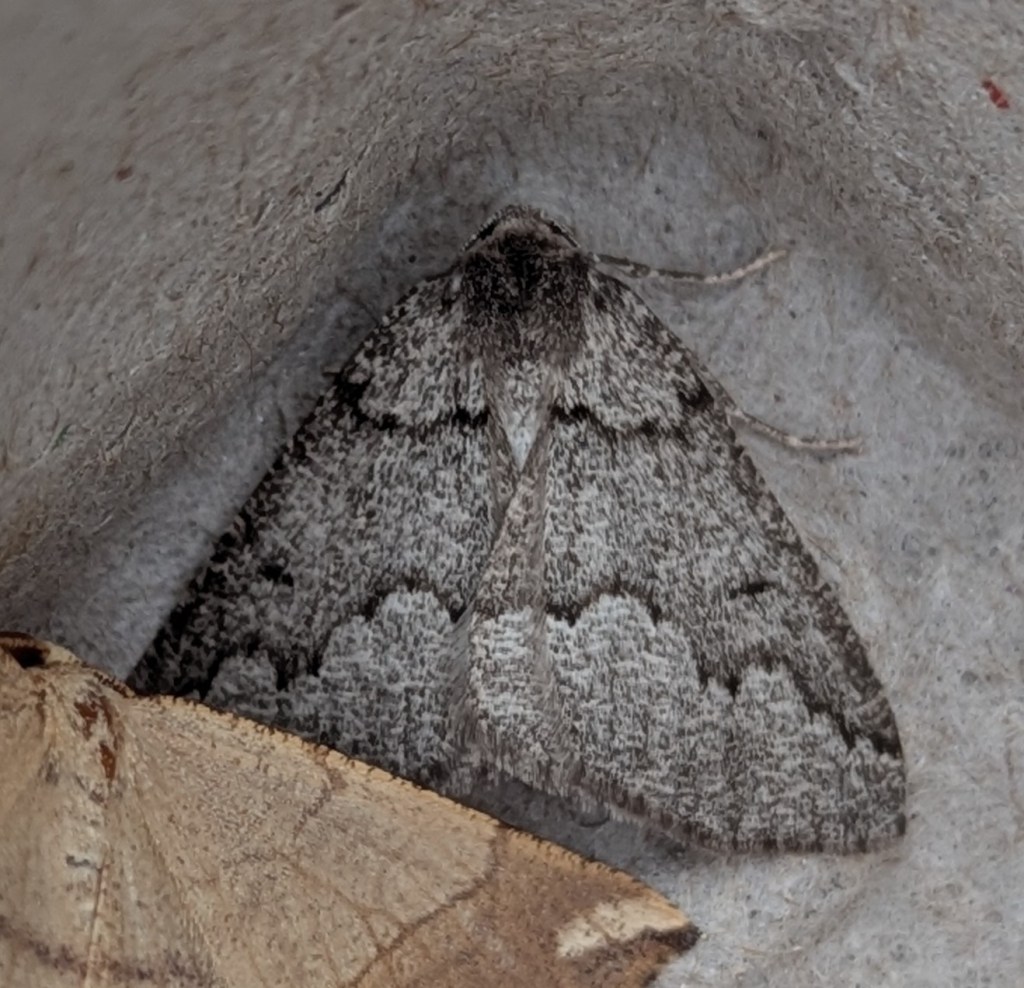
Ah, now here I find myself on rocky ground… I photographed this moth south of Fernie BC last month. At the time I dismissed it as a packardata, but it wasn’t until I checked it over later that I moved to griseata. I read somewhere (bugguide?) that the PM line was smoother than packardata – which this specimen certainly has – and that the forewing was specklier and darker. Lastly, given the location in the far east Rockies, this struck me as the better ID. But don’t quote me on any of this – I couldn’t re-find the reference, and I could absolutely be wrong on the ID. In all honesty I find packardata and griseata extremely similar.
There are currently only 10 observations of this moth on iNat. But I wonder if that’s due to bias in iNat’s algorithm and it’s actually being confused with packardata?
Sabulodes edwardsata
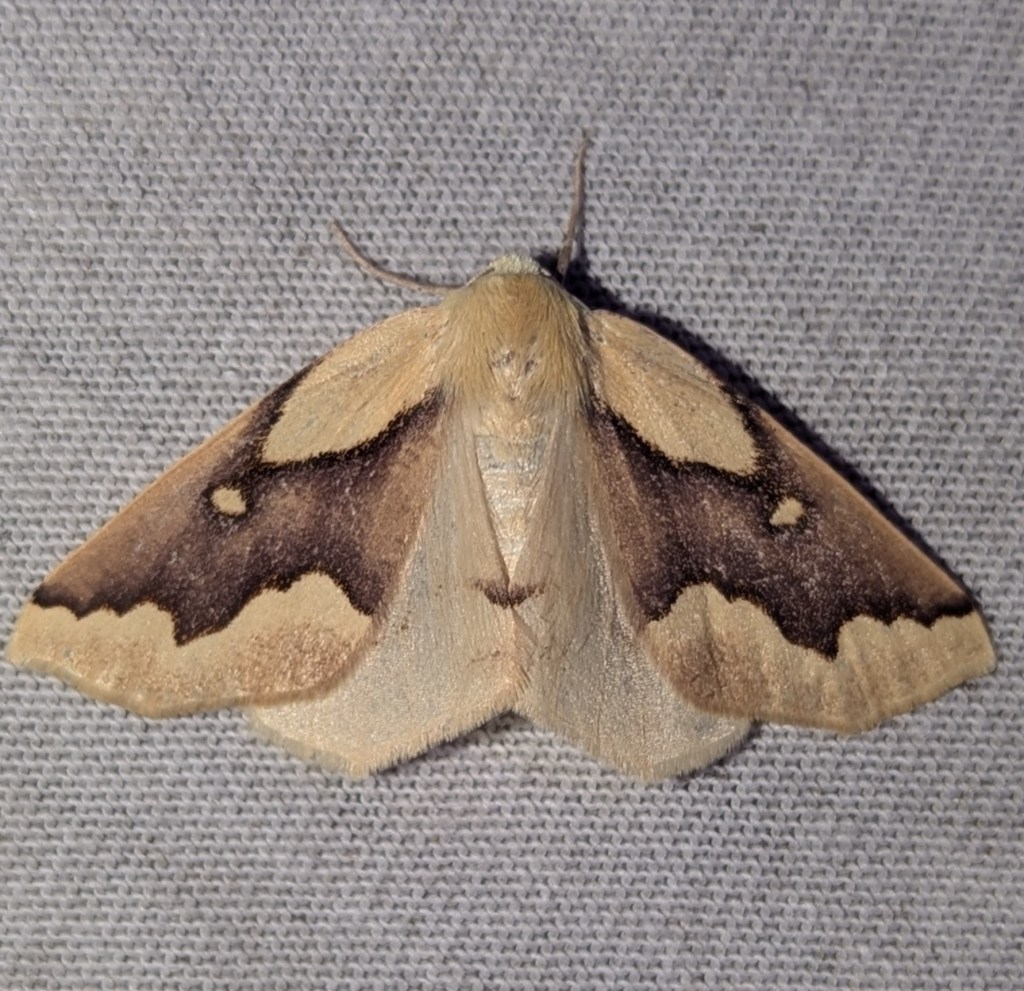
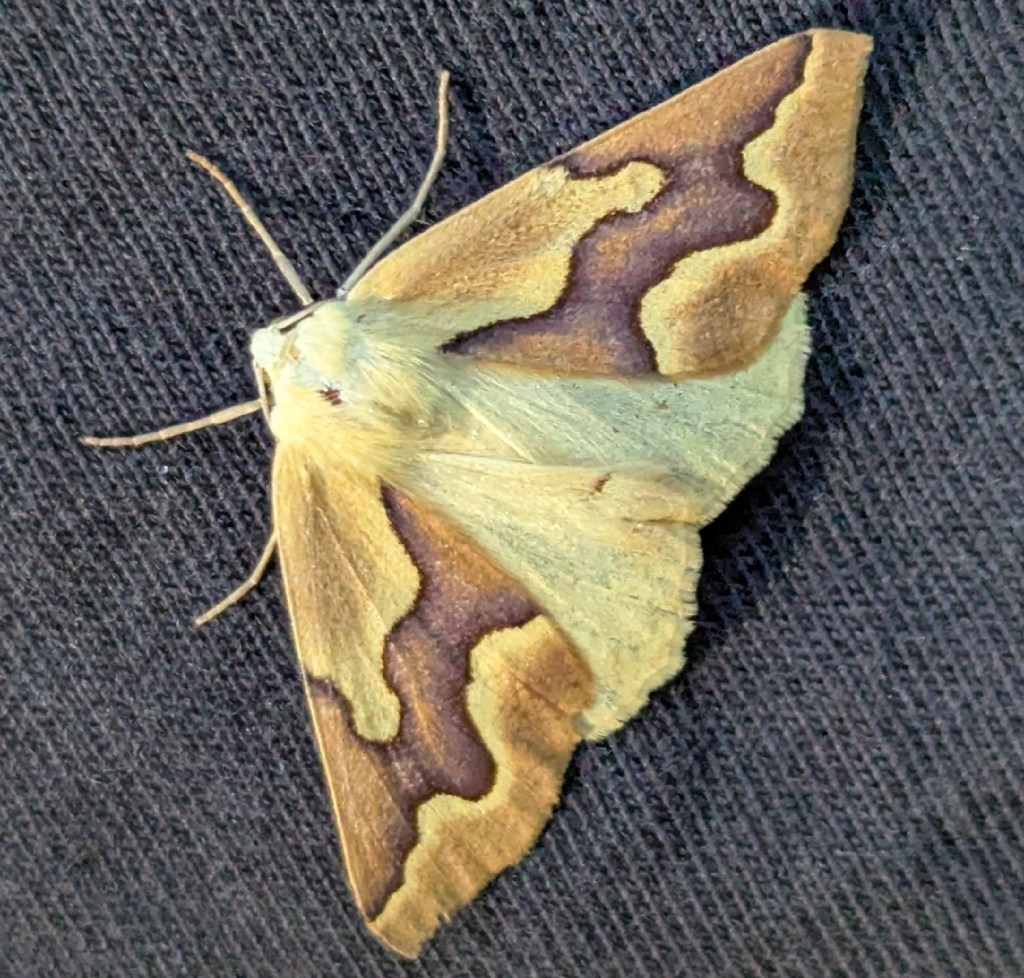
Last but not least: my latest Bowen island lifer! Very pretty moth. The second shot was from last weekend on the southeast corner of the island on Bowen Island Conservancy land. I love how the darker median band in indents around the orbicular spot on this one.
This species was named for Henry Edwards, a 19th century actor and entomologist.
 BC Moths