
-
How to find a mothing spot
Warning: don’t be misled by the title. This post is less of a how-to as a how-it’s-hard-to. It wasn’t click-bait, honest. I’ll be spending a month in Creston later this year and as with all of my mothing trips I try to do my homework beforehand. The goals are always: It’s #2 that’s the biggest…
-
Sesiidae (Clearwing moths)
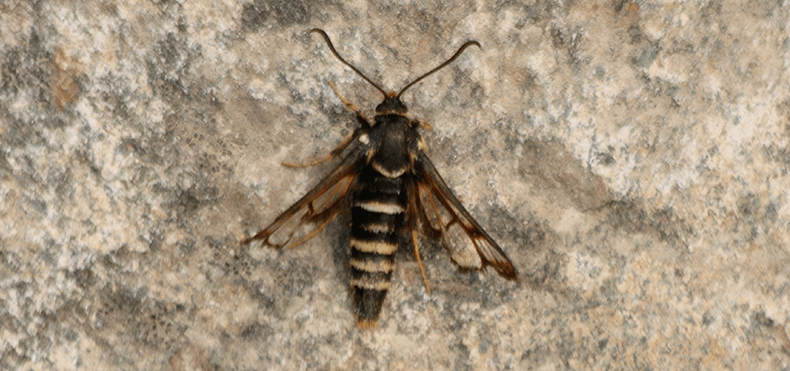
Other than that awful picture above, I’m really not doing well with the clearwings. Tackling these in reverse order: #3, I could give you handful of examples of getting a glimpse of a clearwing, then having it sod off and land behind a tree somewhere to have a cigarette and laugh at me. Last year…
-
Sphinginae
The previous post tackled the Smerinthinae, a subfamily of the Sphingidae. This post looks at another: the Sphinginae. There are 9 species reported here in BC, though Agrius cingulata and Lapara bombycoides are unlikely to be seen – see below. I’ve only seen 4 species at this point, so this post will have a few…
-
Smerinthinae
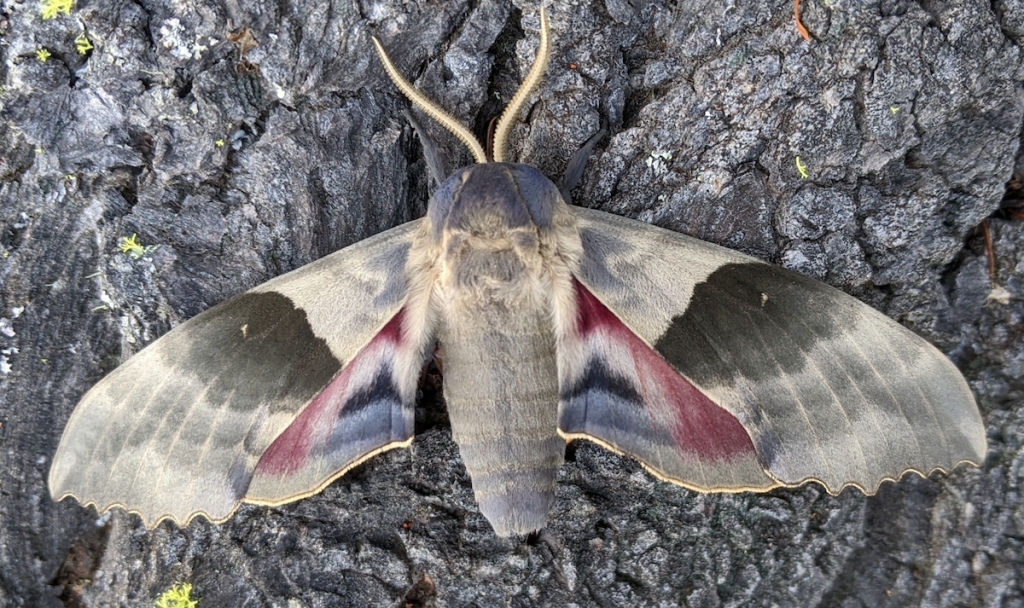
Let’s take a look at a subfamily of the Sphingidae (sphinx moths), the Smerinthinae. There are 6 species in the province, but iNat has a tantalizing 7th that was reported, incongruously out of range, somewhere in the Cariboo. Assuming the identification is correct it’s probably safe to say it arrived via anthropocentric means. But the…
-
Ernest H. Blackmore Award
In the BC leps meeting this week I received the Blackmore award for 2023 for my Acleris Clarkei observation in May, Fort St John. A new species for the provincial checklist and – not to be grandiose or anything – but it was possibly the greatest achievement of any BC naturalist, ever. I kid (heavily),…
-
2024 mothing plan
Last year I travelled quite a bit in the province seeing a whopping 642 species of moth – year in review post here. This year I was planning on doing more of the same. I’m spending most of February in Ghana, then possibly heading back to Ecuador in Sept/Oct (the moths were incredible there, but…
-
Names of things
Coming from birding, taxonomical names for Lepidoptera suddenly take on a whole new significance. Bird identification is easy (sorry, fellow birders but it really is). Pop to your local bookstore and you’ll find an wealth of field guides to help out. Or forget the whole “book” thing (it’s so passé): download an app or go…
-
Lasiocampidae
Alrighty! Let’s take a look at another not-so-well-represented lepidoptera family in BC. Reviewing taxons like this helps stave off the fact that the only moths outside the last few weeks are sodding Operophtera. Like, seriously: no other species whatsoever. Zilch. This has been a bleak Christmas. I need a flight to the tropics, stat. The…
-
Saturniidae
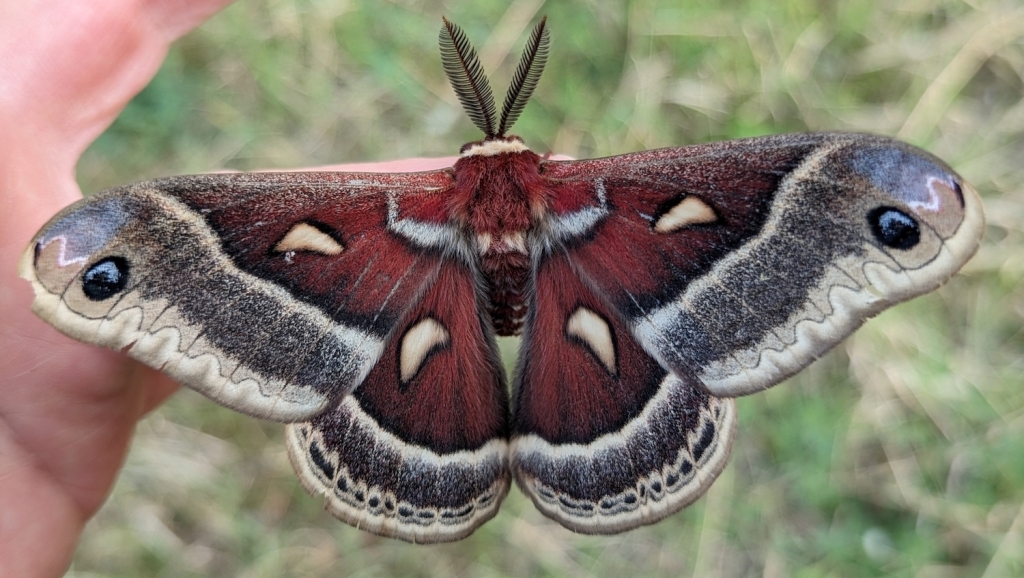
Let’s look at one of the more flamboyant families: the giant silk moths. There are ~2300 species globally but we have only 7 here in BC, found in two subfamilies, the Hemileucinae and Saturniinae. Our moths have a wing size of 60-140mm, but in the tropics some species get up to twice as large (280mm).…
-
Coping with weight
I remember seeing my first Cyanothus silk moth (Hyalophora euryalus) on my front door a few years back. It was close enough to the ground that our idiot dog may gotten curious and accidentally done it some harm, so I moved it to a nearby tree. Once I got it onto my warm hand it…
 BC Moths