
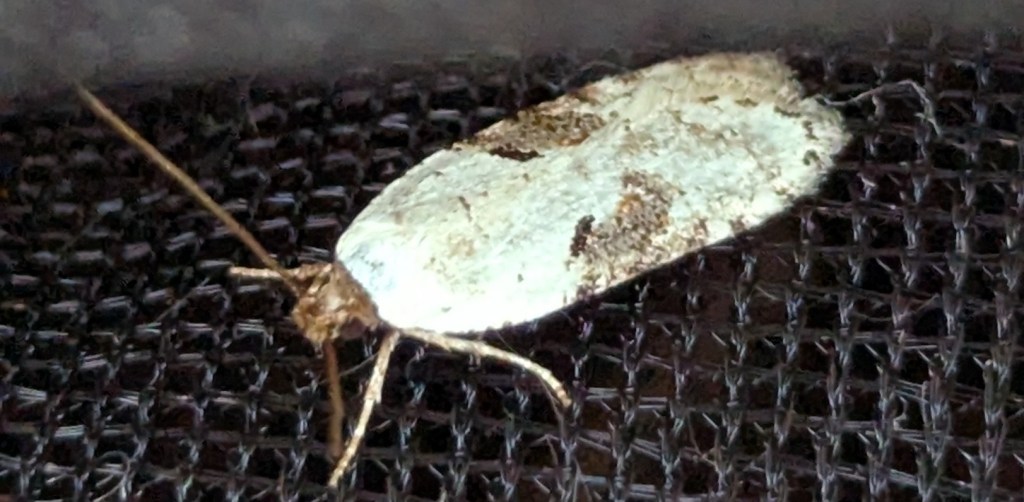
Last month’s trip to Cache Creek went so well, I decided to head back for a couple of nights.
The first night I set up traps on the side of the mountain just SW of Cache Creek. This area burned down in the 2017 Elephant Hill fire, so there’s 8 years worth of growth dotted with thousands of burned trees (Ponderosa?). A hot habitat that’s excellent for both birds and insects. It never disappoints. On the Friday night while setting up my nets I both heard and saw a pair of common poorwill, which was pleasing – my most westerly sighting. It’s a species I typically look for in the Okanagan, but hardly surprising to find here, given the habitat. I see they’re often reported around Lillooet too. When emptying the nets on the Saturday morning I heard a group of dusky grouse being flushed and turned in time to see a coyote leap up from the grass in a failed effort to catch one. Lovely peaceful place. Not a soul in sight – just how I like it!
The second night I drove up the further towards Mclean’s Lake and set up the traps in greener, lusher habitat. This was far less successful. As an indicator, the first night I took over 1100 pictures; the second only 500. Of course, partly that was due to photographing so many of the same species on the previous night, but it was also simply due to fewer moths.
So let’s look at some of the more interesting ones. It was a very macro-heavy trip. Curiously few micros.
Evergestis simulatilis
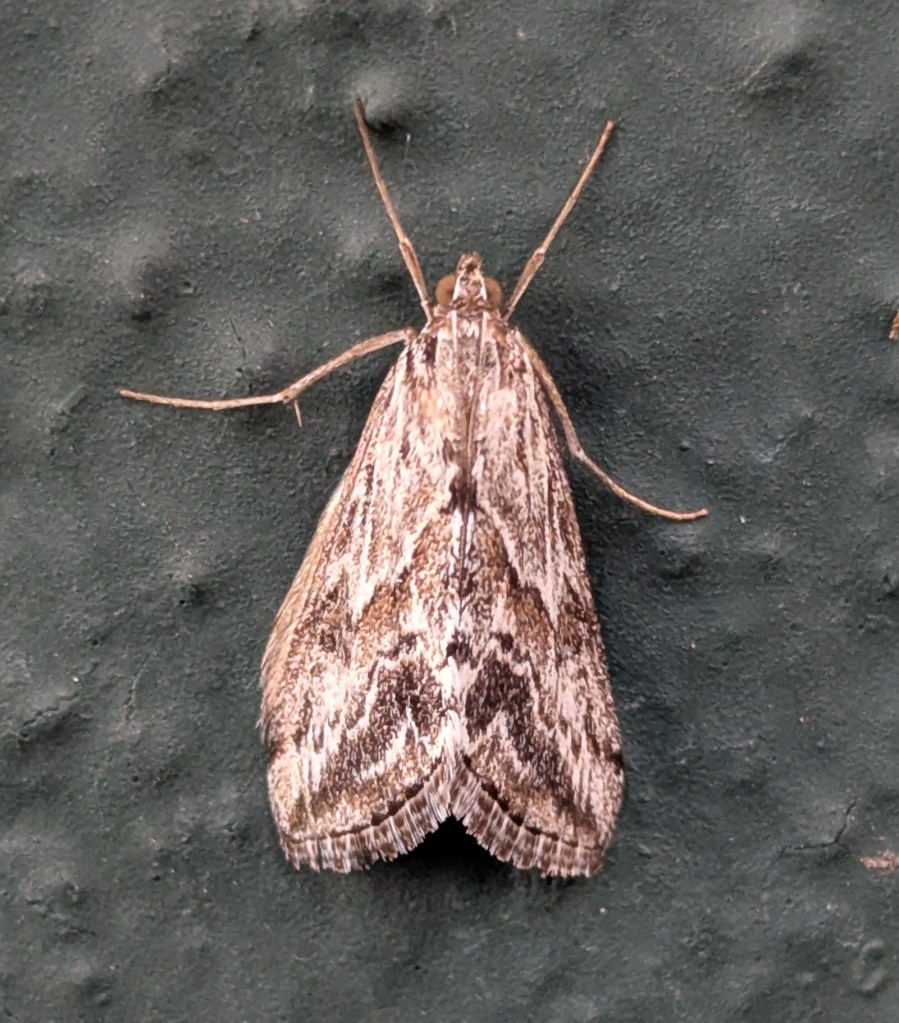
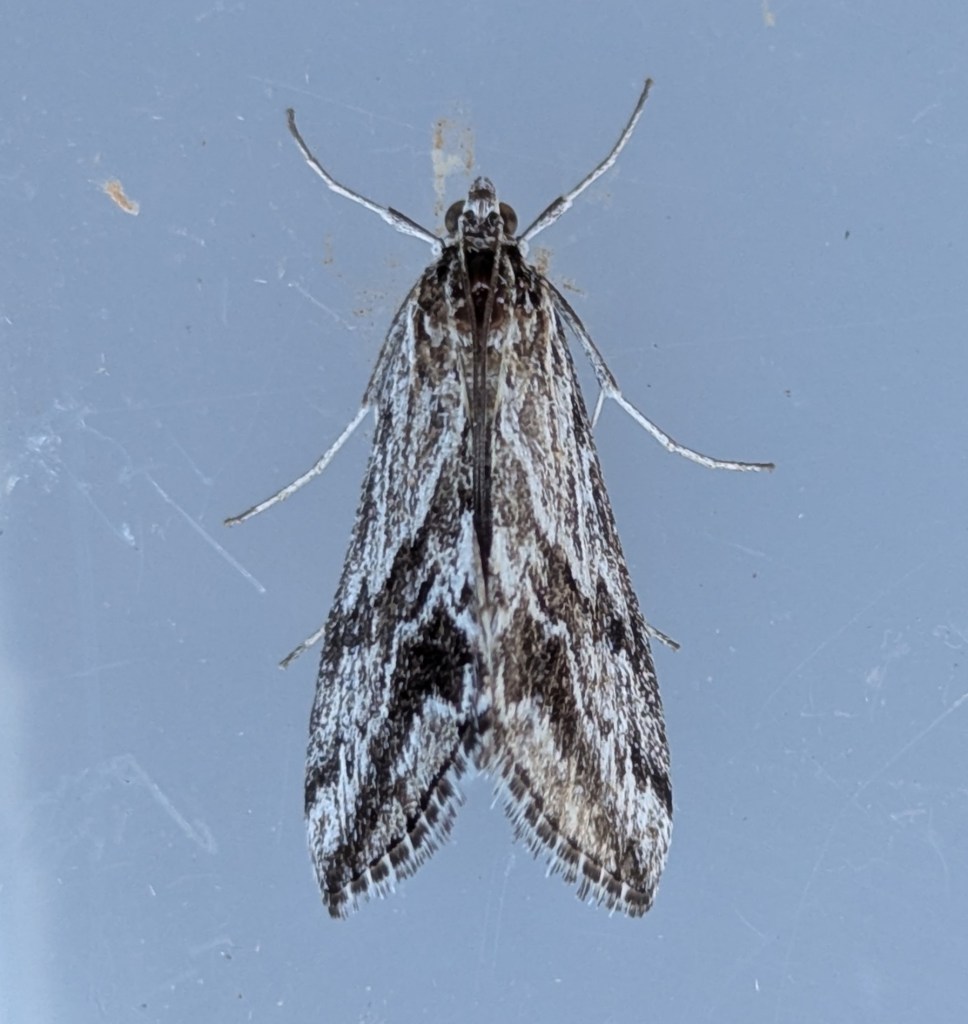
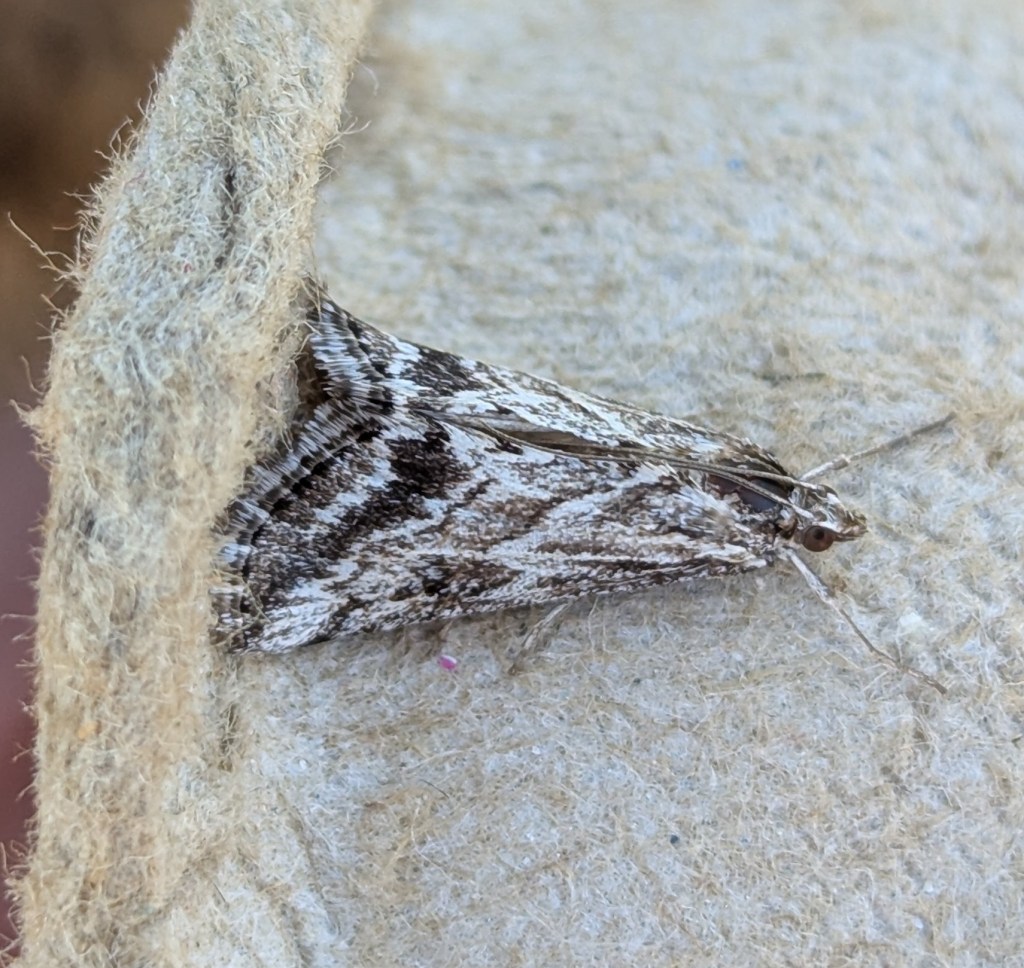
It seems only suitable to start here. When I pulled up to check-in at my hotel I found this chap plastered to the outside wall. Lifer! Go figure. I saw several more in my nets on the subsequent two nights. There’s only one other observation of this species on iNat from Dick Cannings in Penticton back in 2021, but they’re clearly common around here at this time.
Acleris cornana
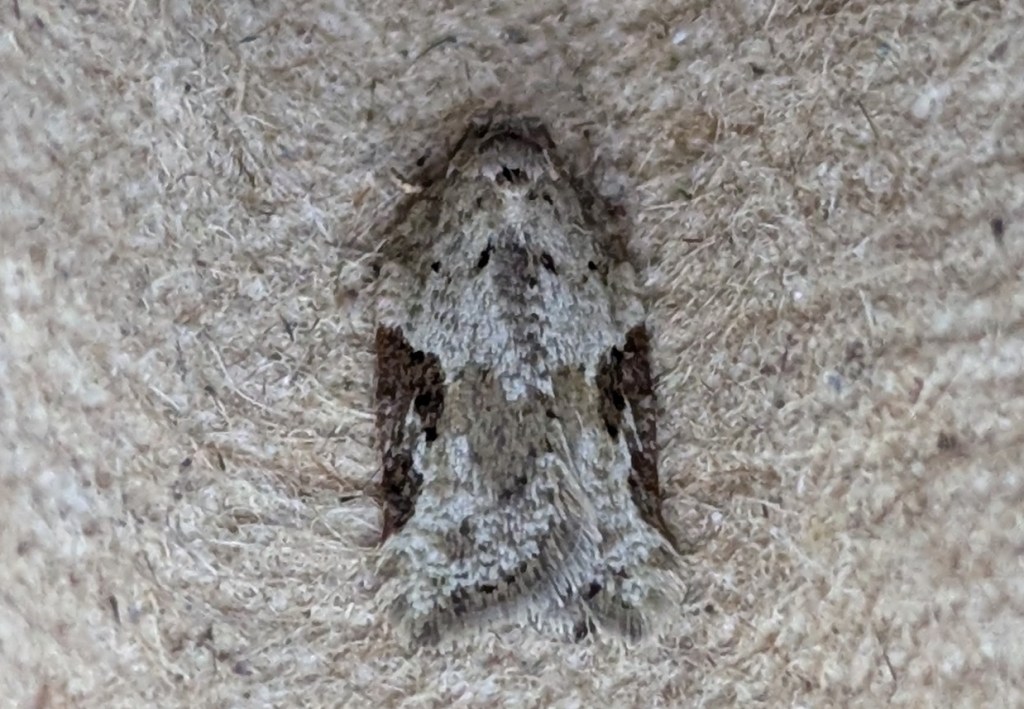
A new Acleris – always fun. I haven’t had this identification confirmed yet – and, hey, we’re talking Acleris here so I could be one of the other 109823987123 species in the genus. But looks bang on to me.
Gnorimoschema bacchariselloides
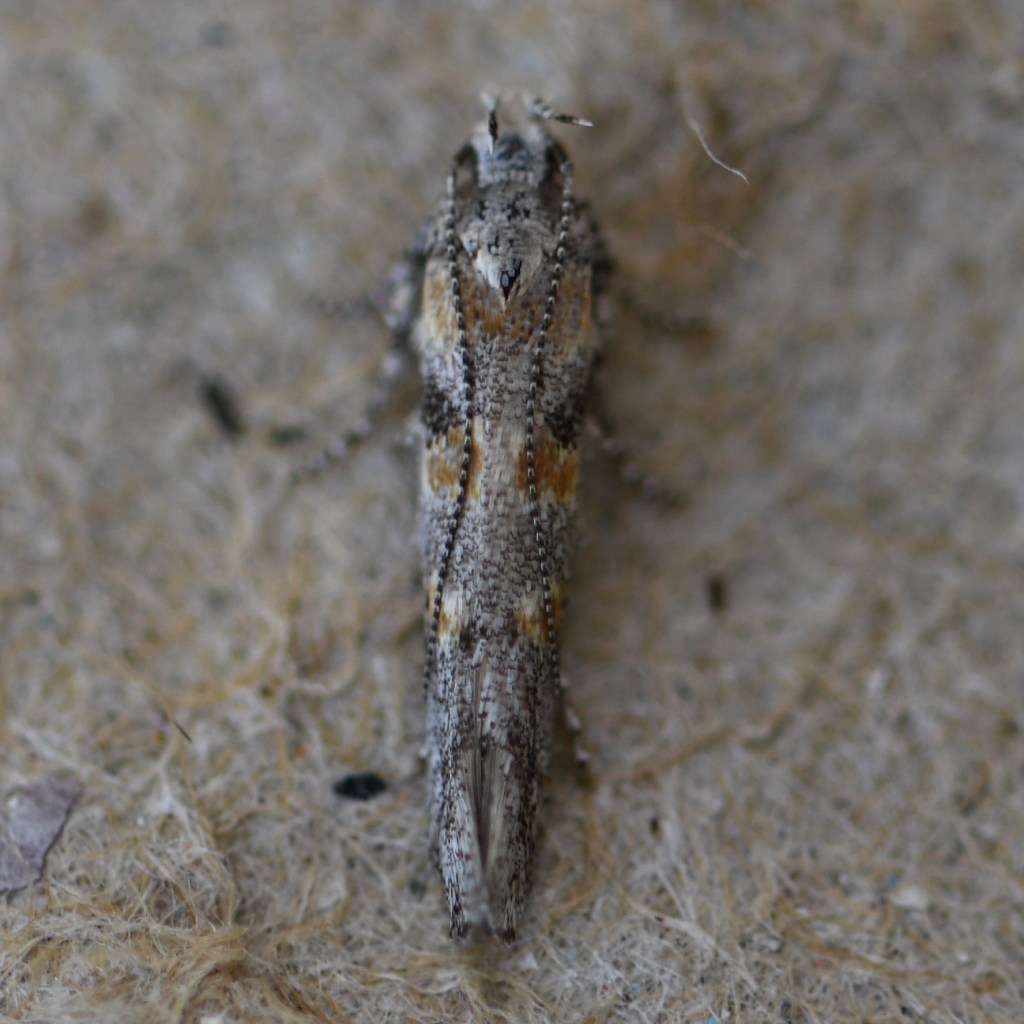
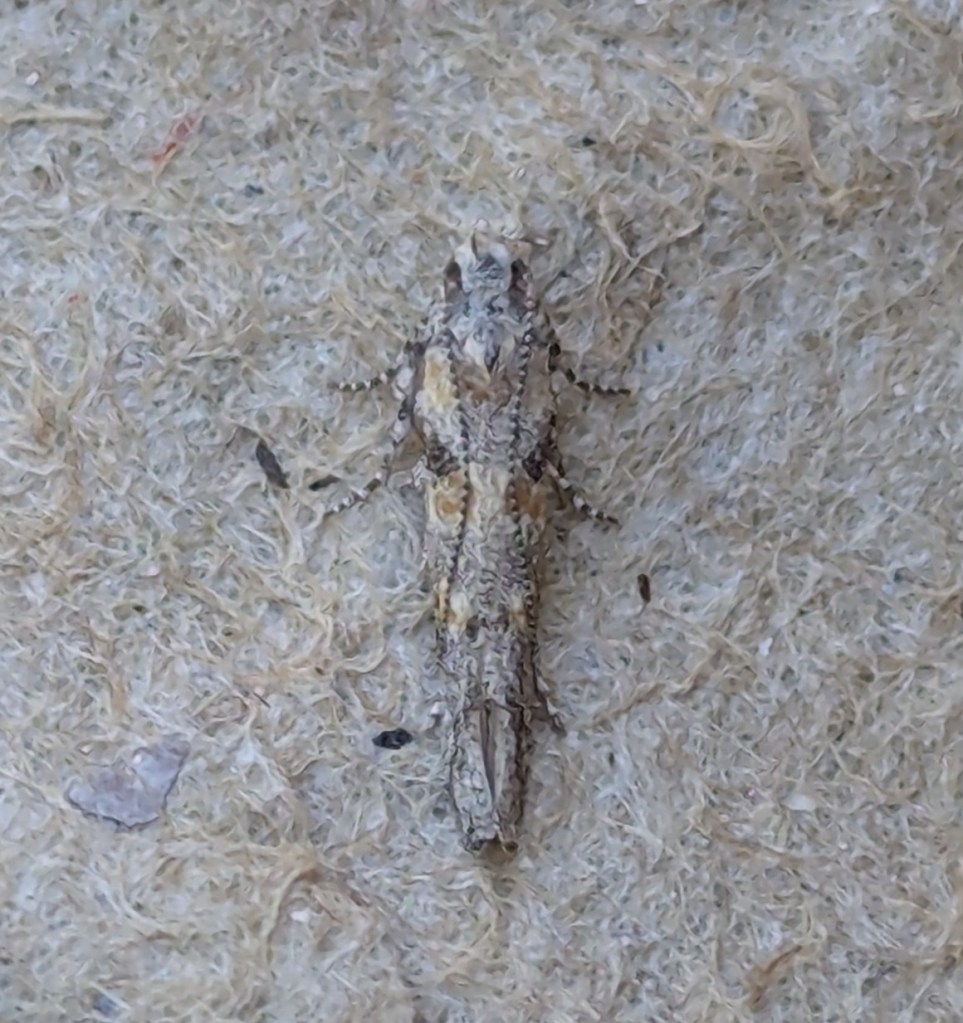
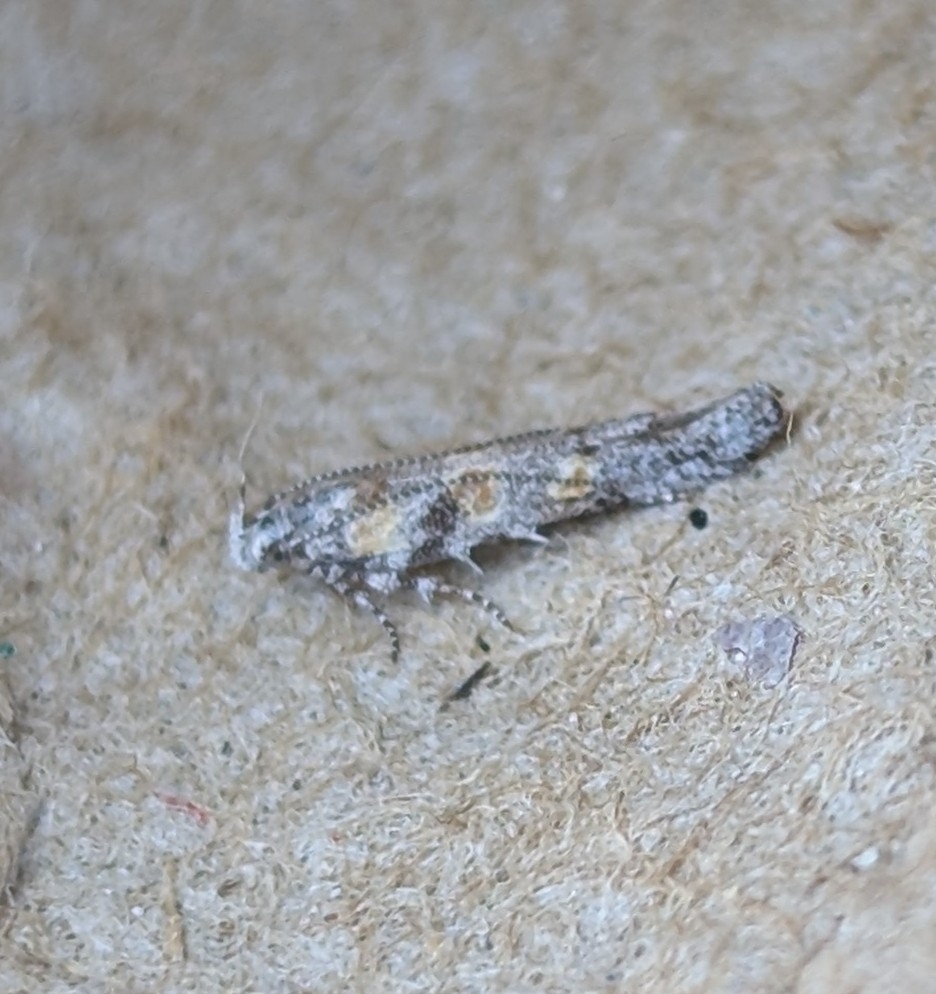
What a mouthful. I’m not 100% positive about this ID, but it looks pretty good. Took about hundred photos of this little thing, and none turned out well. Oh well.
Exaeretia canella
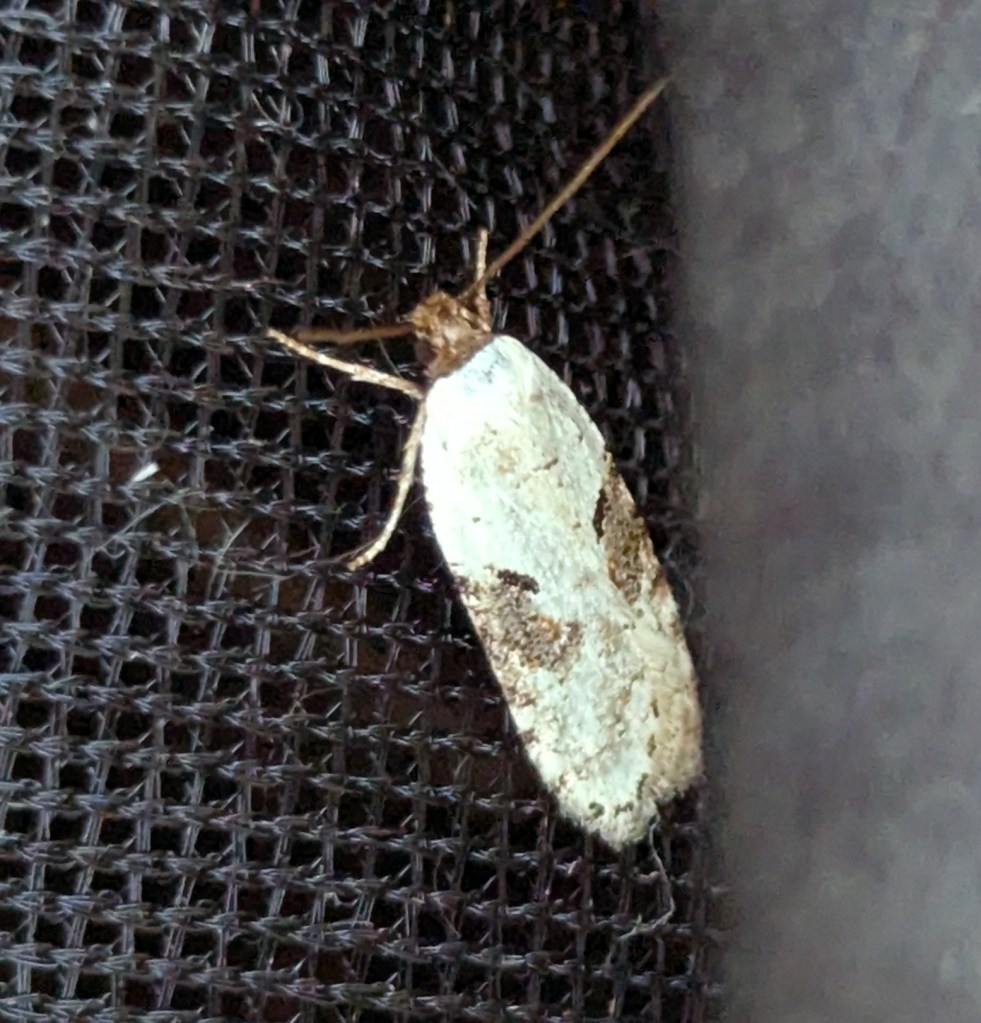
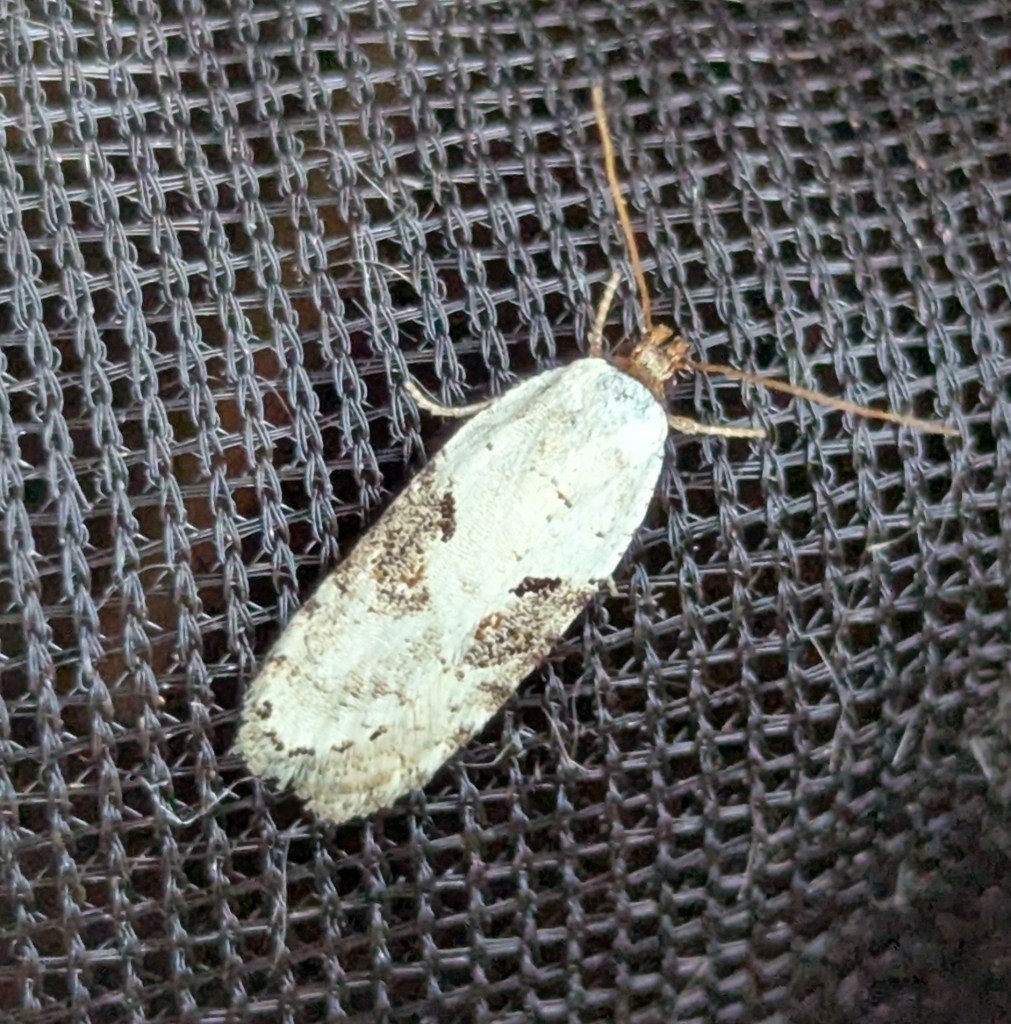
Oh this one was cool. I figured it was an unfamiliar Agonopterix at first, but that full red collar was a puzzler. When I failed to find it I looked further afield.
There’s only one other observation of this species on iNat from BC back in 2006 from Jason Dombroskie himself, taken just a little further east – and only 2 days apart! September 2nd. An uncommon moth.
I do wish I could have gotten a better photo – taking shots against that netting material never works. This was one of those photographs you hope to get after detaching the net from the plastic frame and there’s a mass exodus of moths before you have time to photograph them. It’s always a little frustrating, but nothing much you can do about it. I saw this guy in the net before removing it, so quickly pinched it to discourage it flying off. On the ground I managed to snap these two shots. Better than nothing.
Sympistis lacticollis
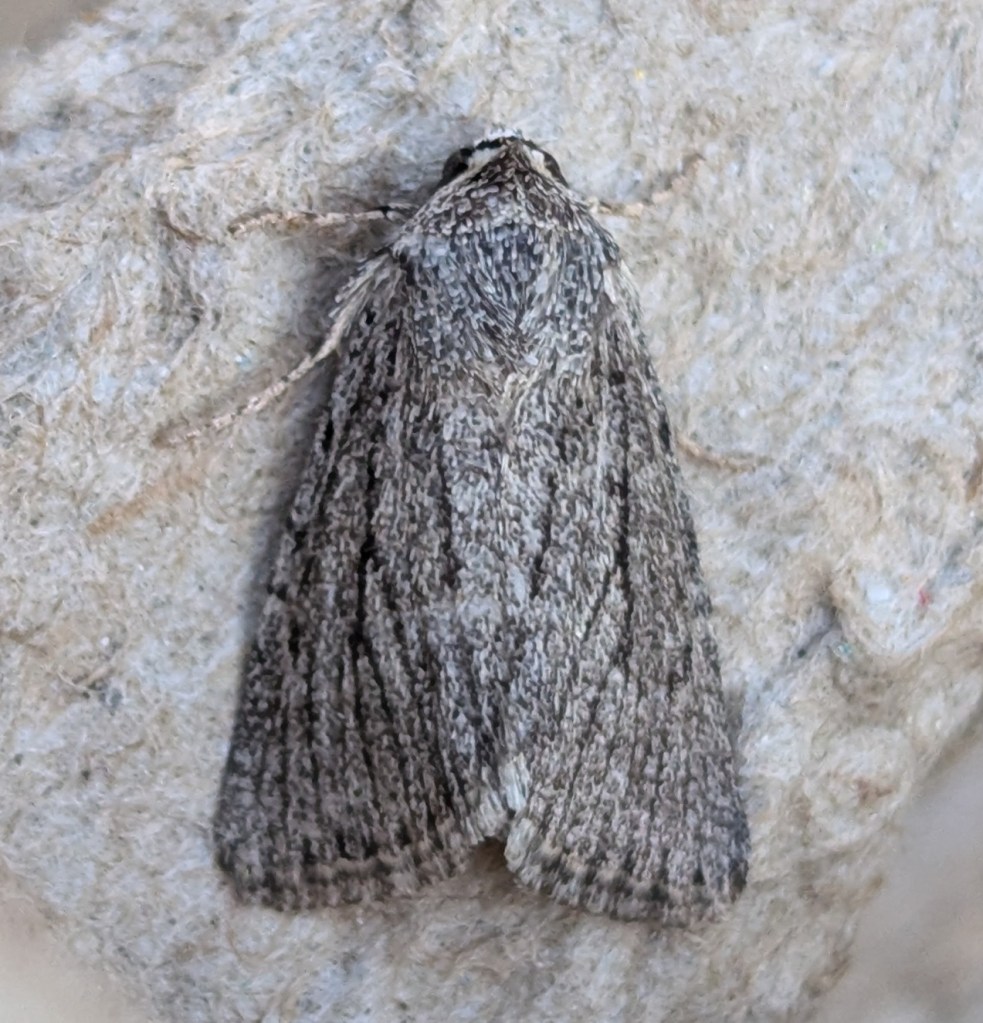
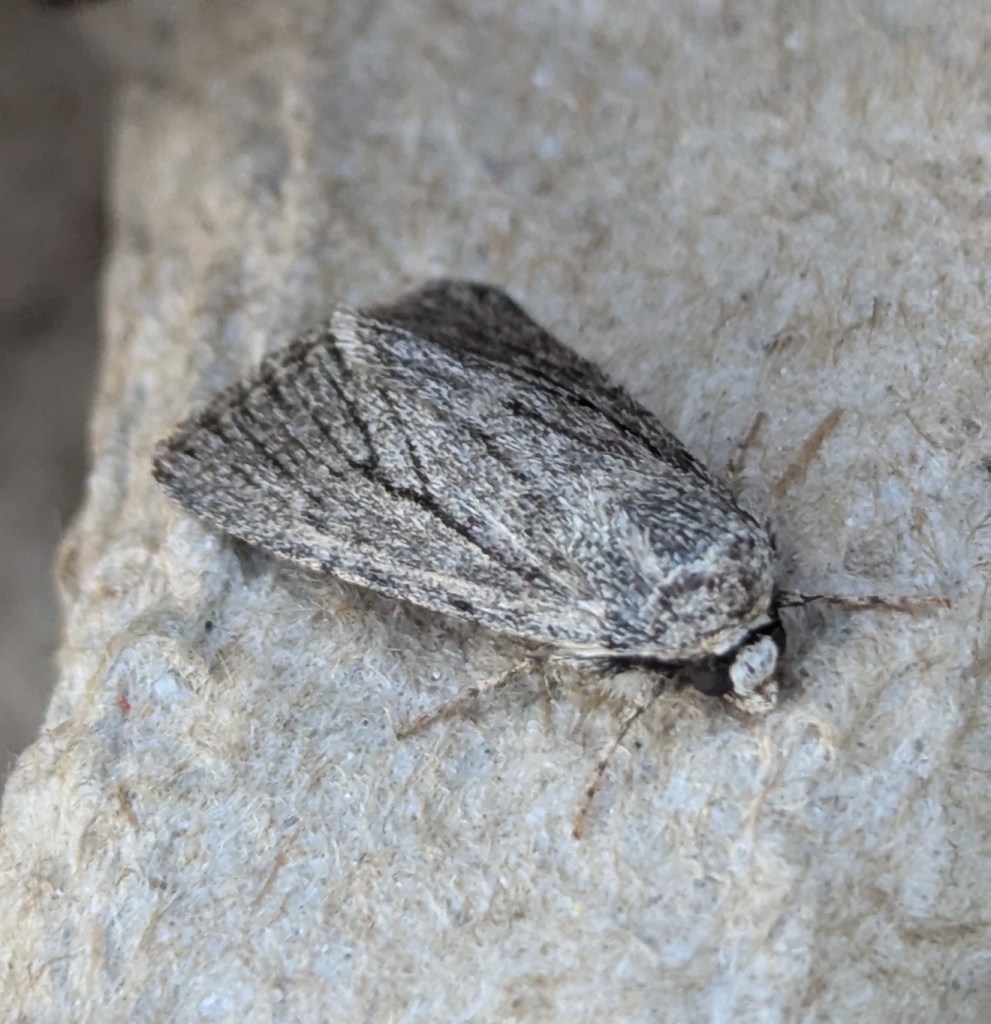
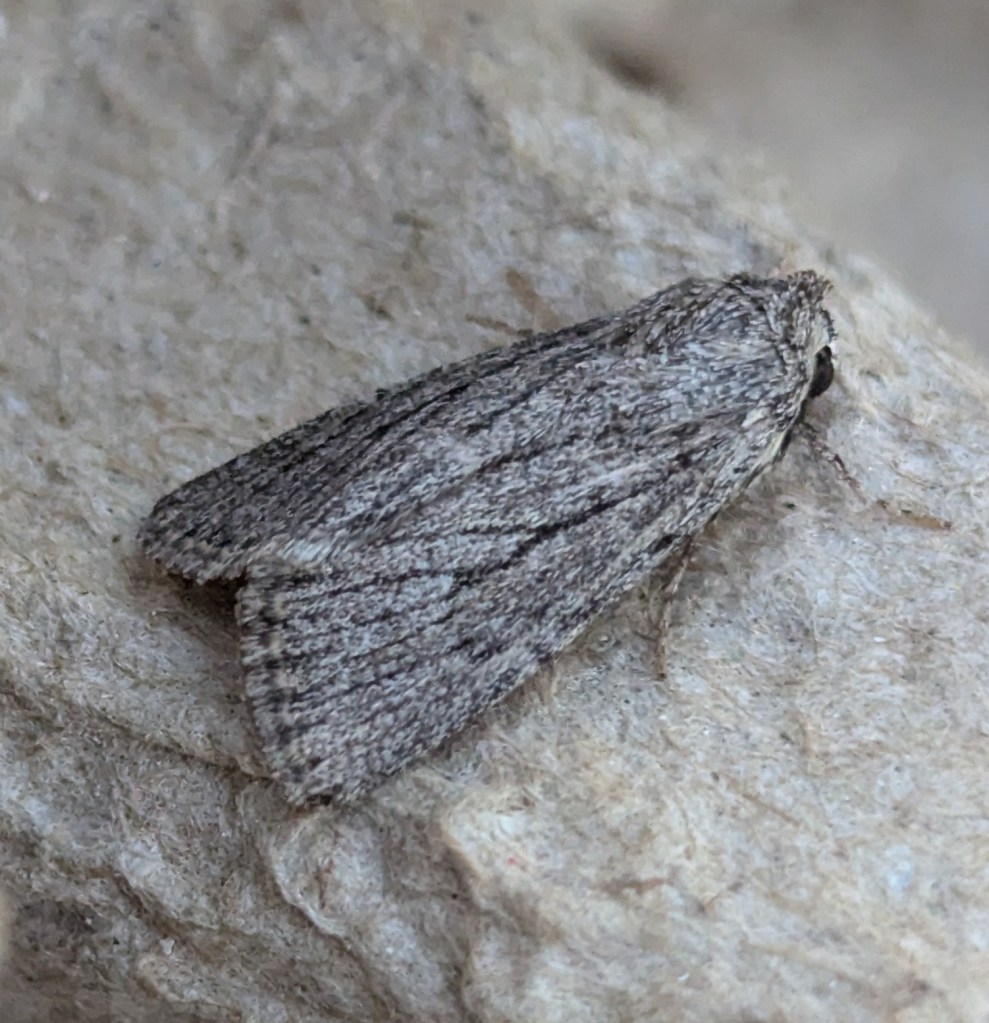
I thought Sympistis the moment I saw this, but it looked too rounded and altogether too “cute” for Sympistis major. And those black veins didn’t look right. When I did a little research at home I found a few unsatisfying possibilities: Catabena lineolata, Neogalia sunia? Dave Holden initially thought perhaps Sympistic major or chons before hitting the nail on the head: Sympistic lacticollis. This is a new species for iNat for the province, great stuff.
Sympistis parvanigra
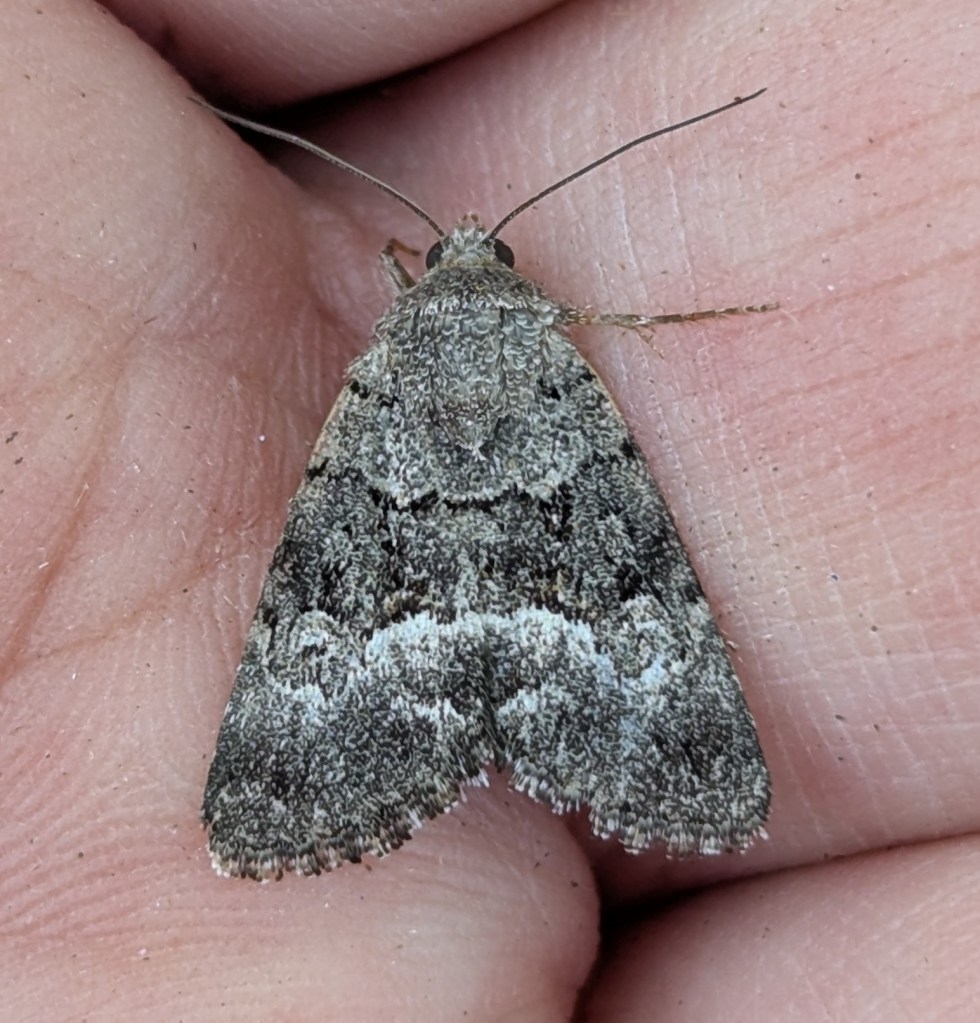
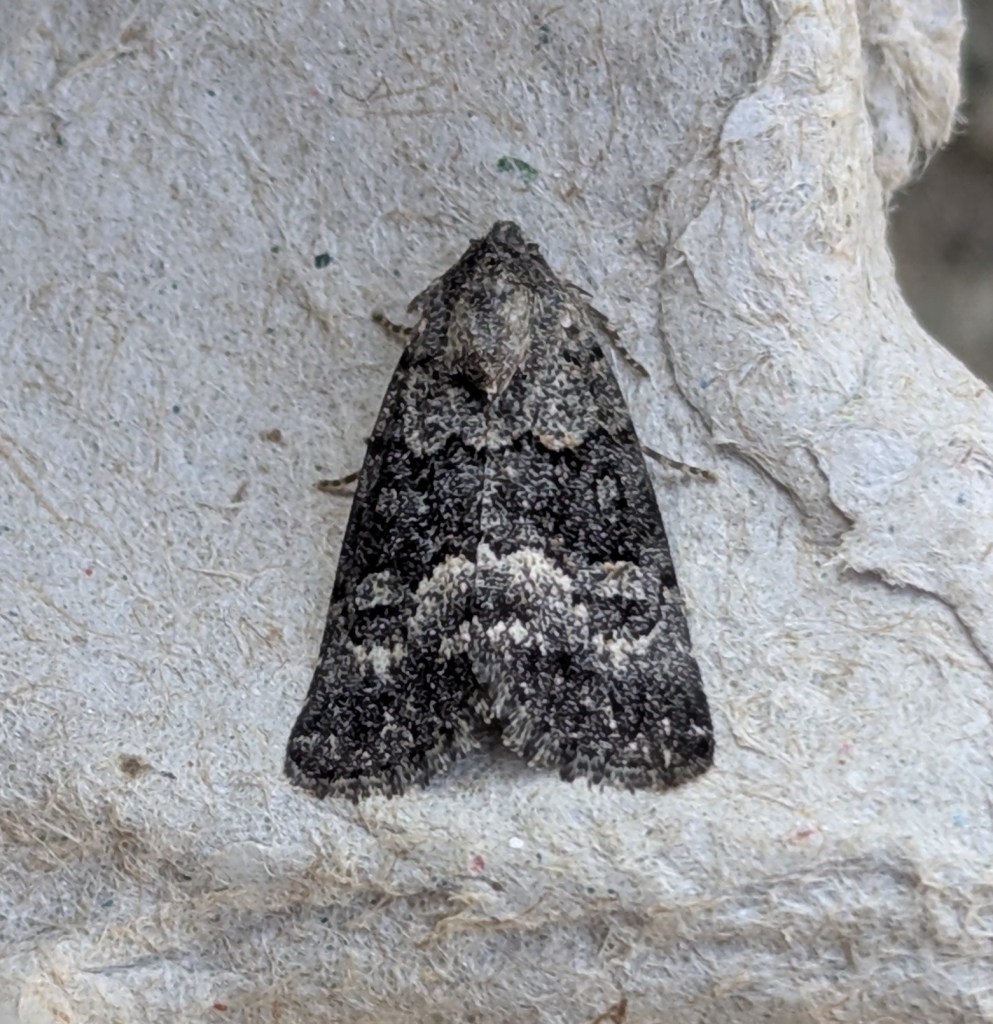
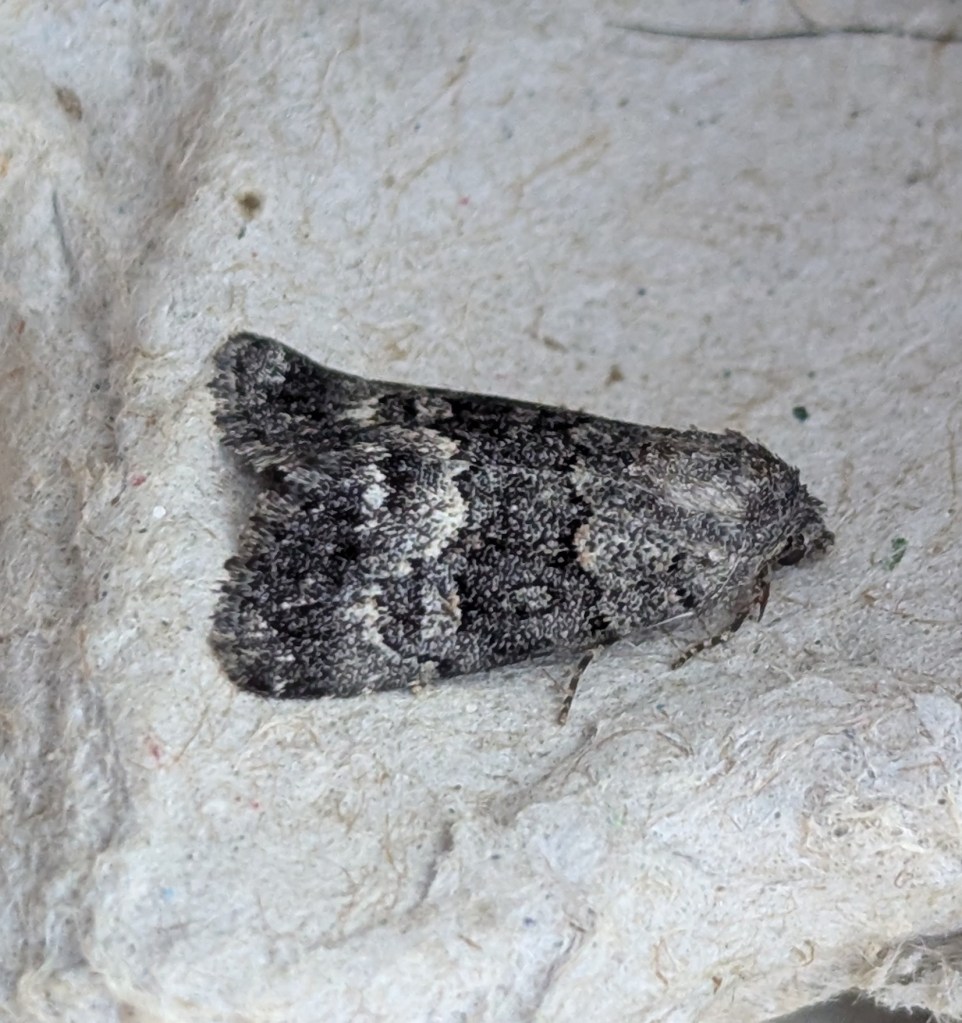
And a second new Sympistis species for iNat provincial list! Two in one morning. Neat-looking thing. My wife laughed when I showed her this – I forget that to an untrained eye this would look like every other dull, greyish moth out there. But it stood out to me right away. Like with the lacticollis, I saw two individuals. This was again ID’d by Dave Holden. I need to start paying identification taxes.
Sympistis sandaraca
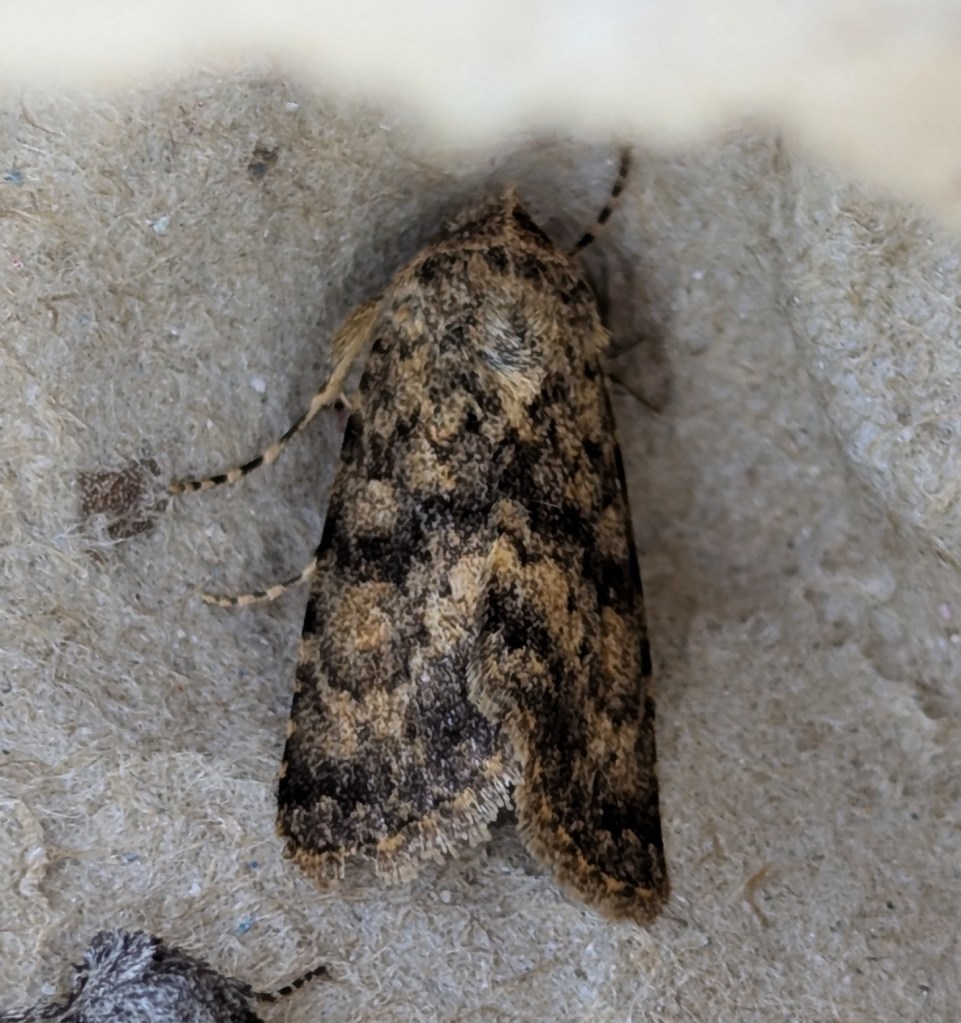
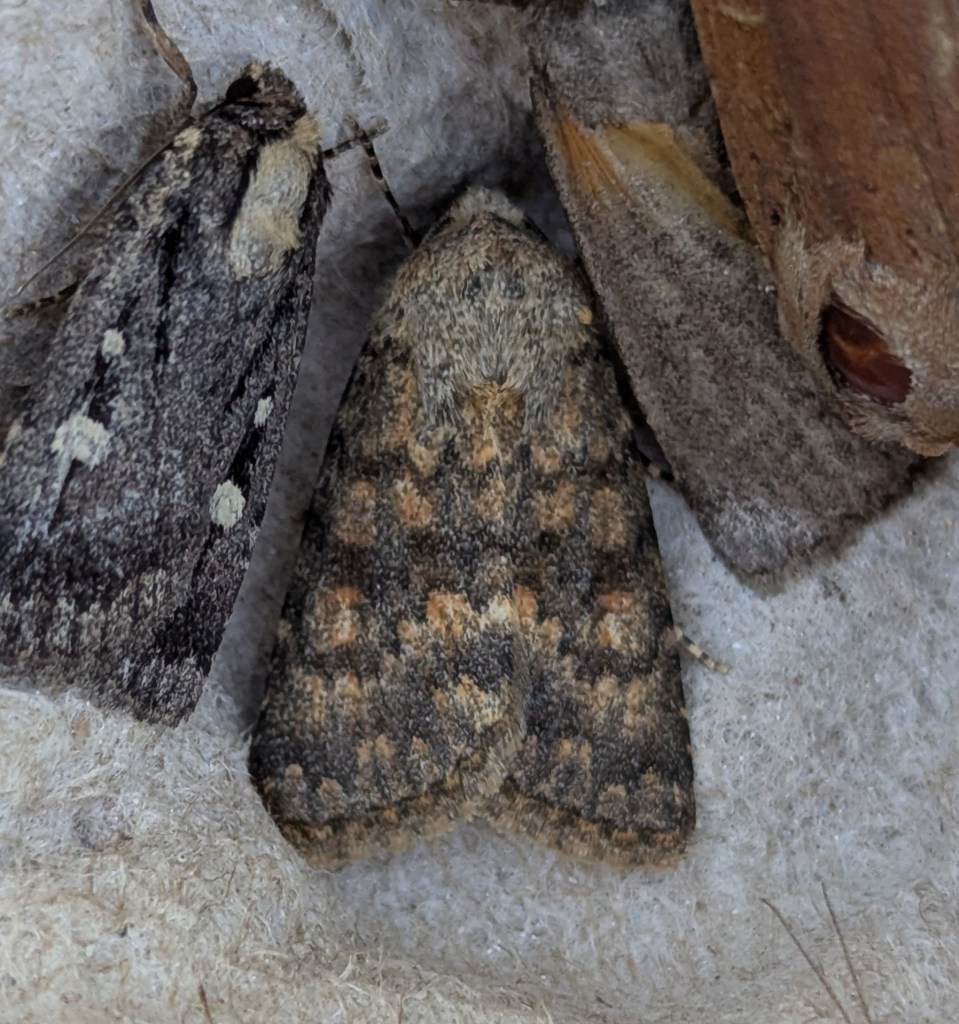
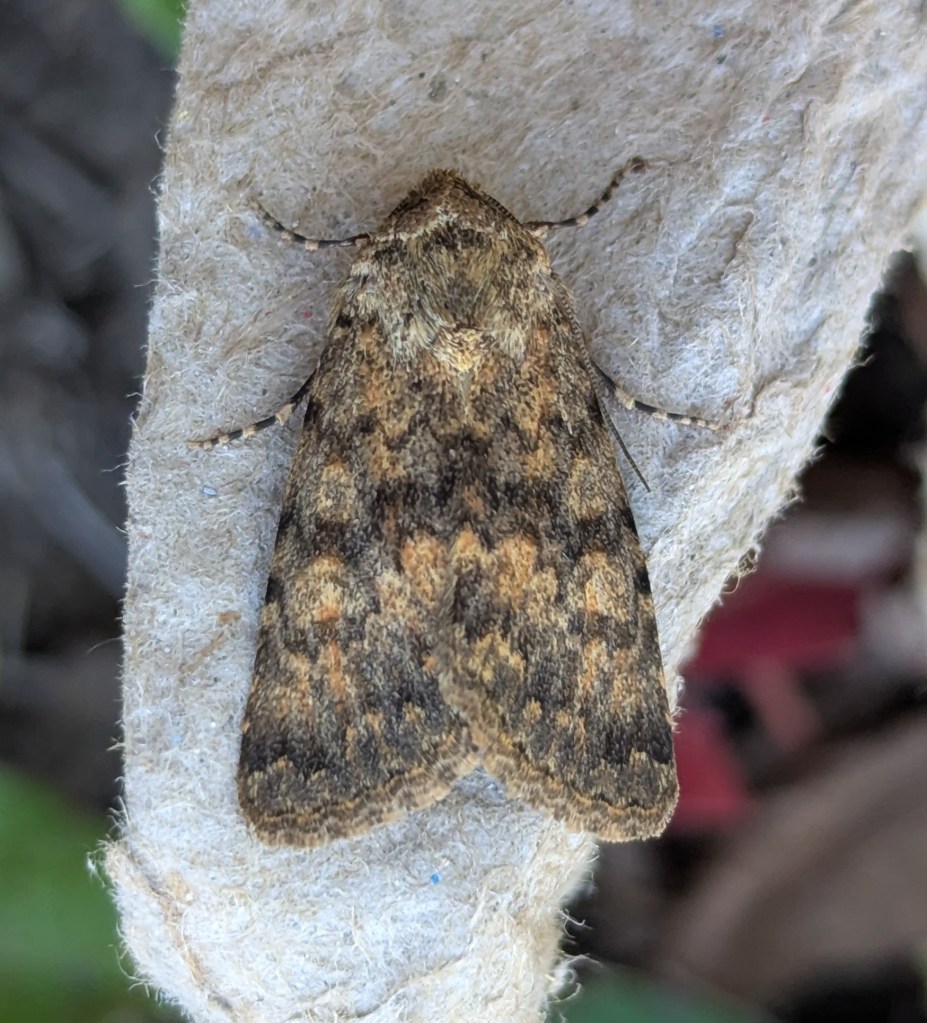
And a third lifer Sympistis. Good grief, I need to tally up all the lifer Sympistis this year – must be at least 6.
Polia nugatis
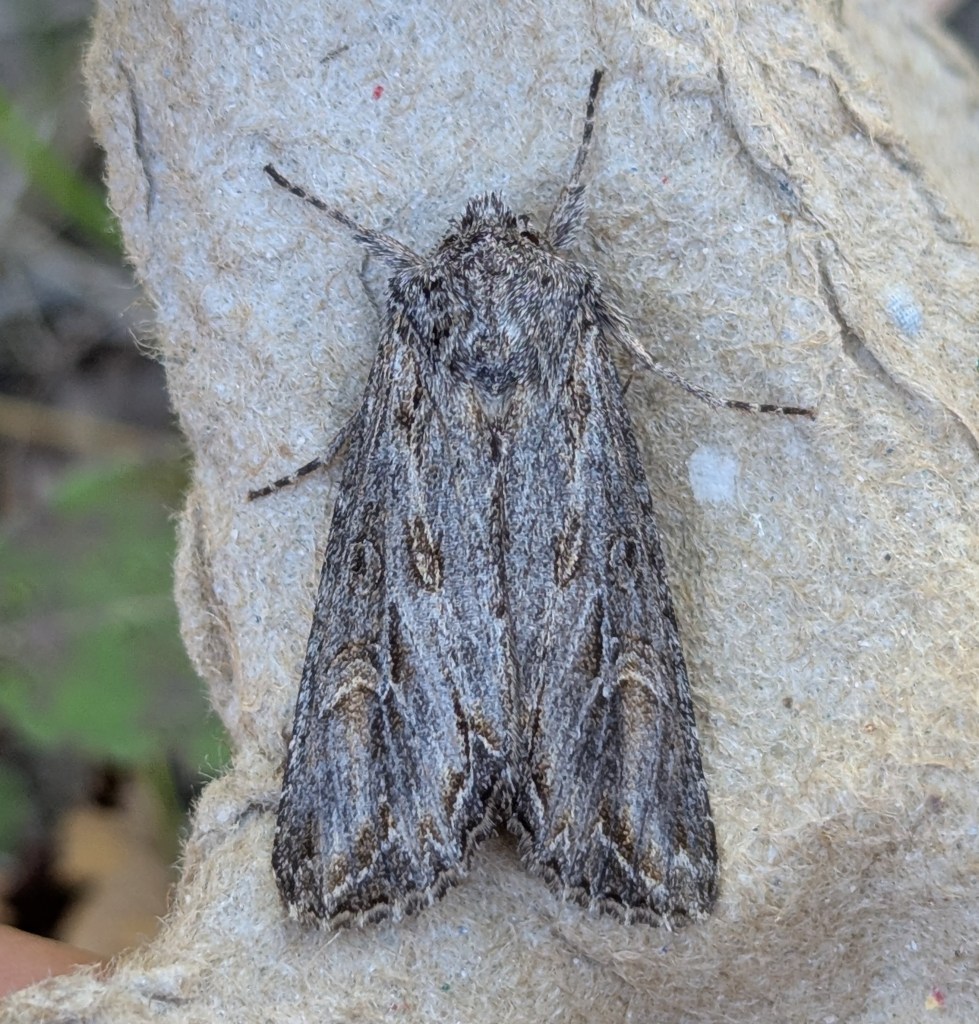
Cool – a new Polia. This is my fourth Polia for the province and even thought I was unfamiliar with it, I had a hunch it was this genus right away. Same overall shape and size of the other Polia I’d seen.
Abagrotis nanalis
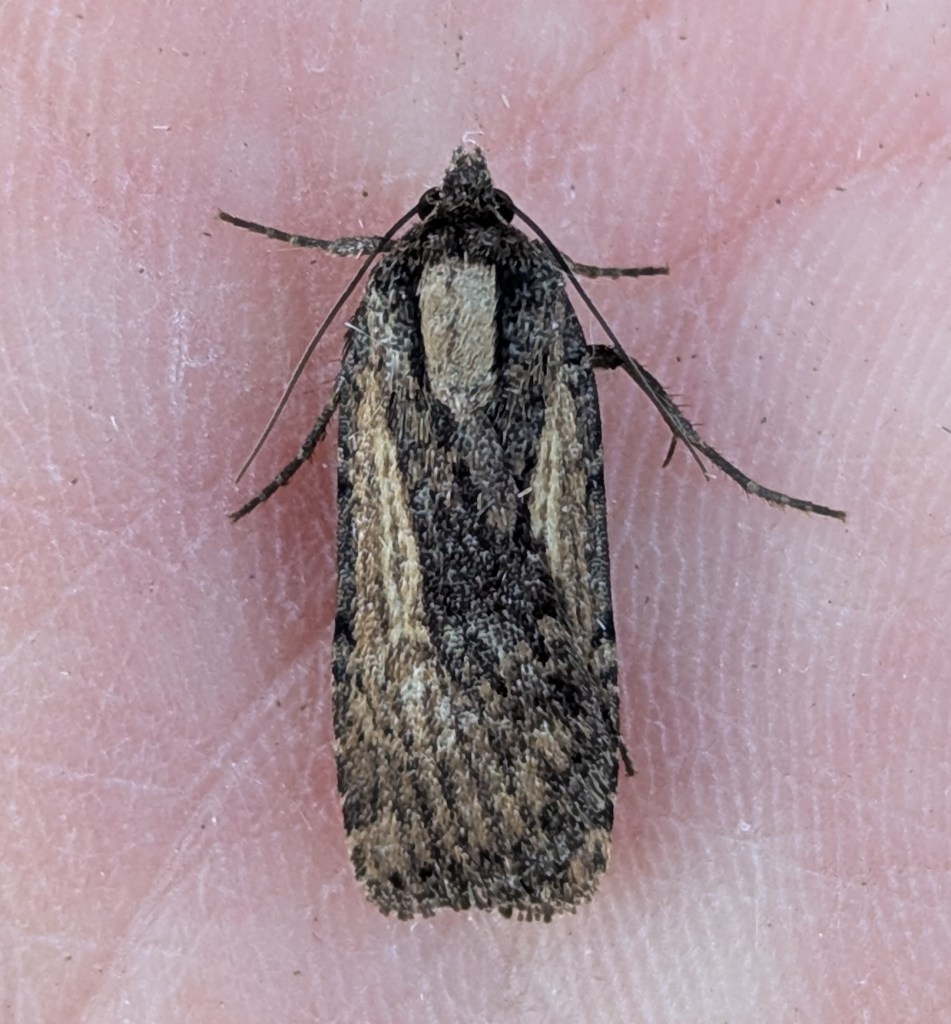
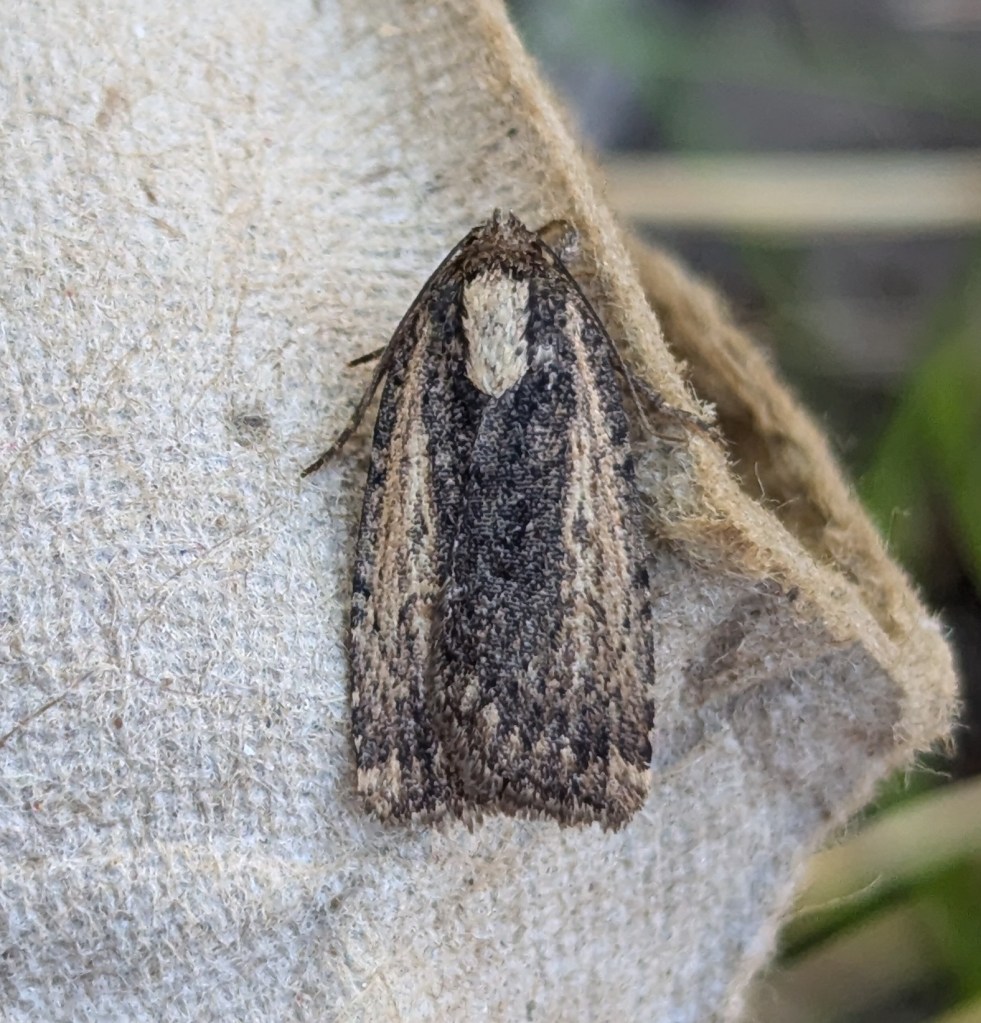
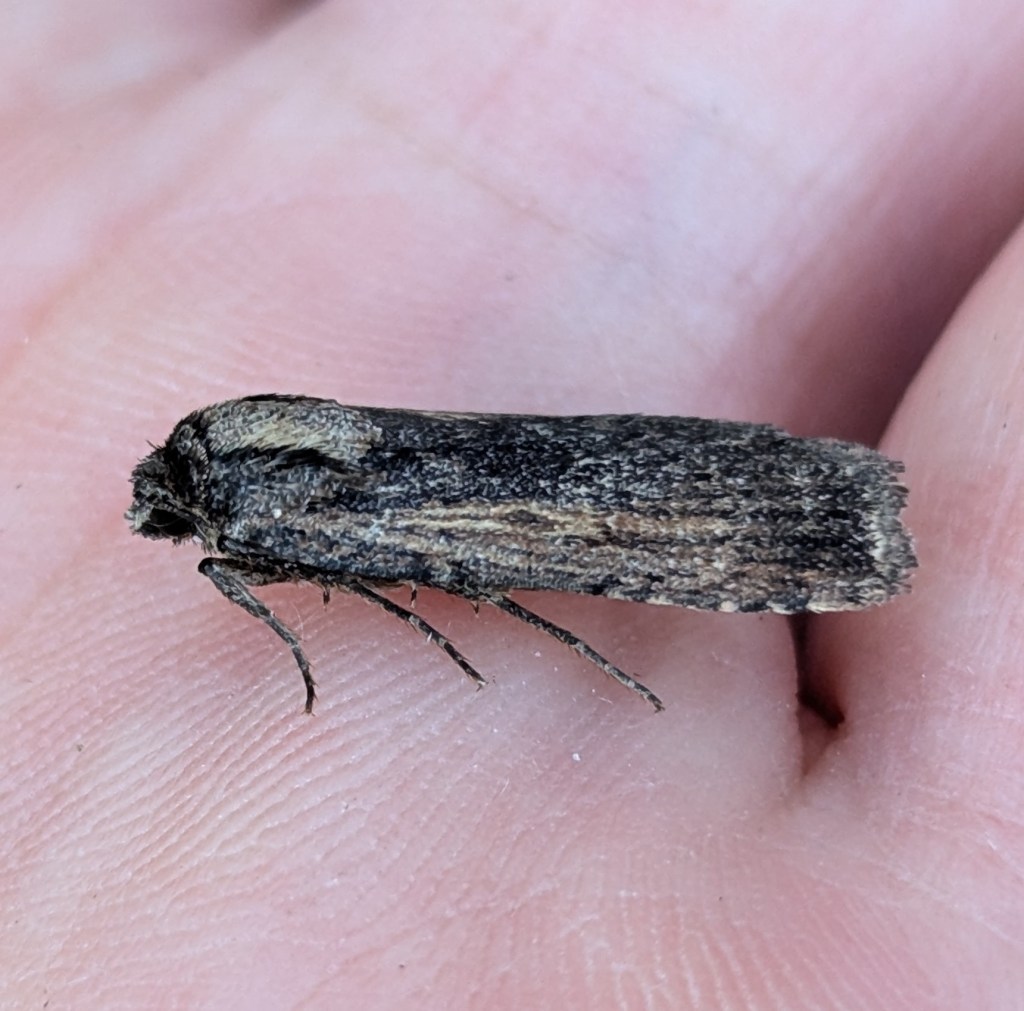
These were common, only outnumbered by the Pleromelloida cinerea. The iNat algorithm found it right away but I was skeptical – they looked nothing like other Abagrotis I knew – the shape was wrong, and they were far too small. Even now I see very little in common with other members in the genus. NatureServe lists the species as vulnerable in BC: that’s certainly reflected in the paucity of observations – only 10 other observations have been made on iNat besides my own.
Catocala californica
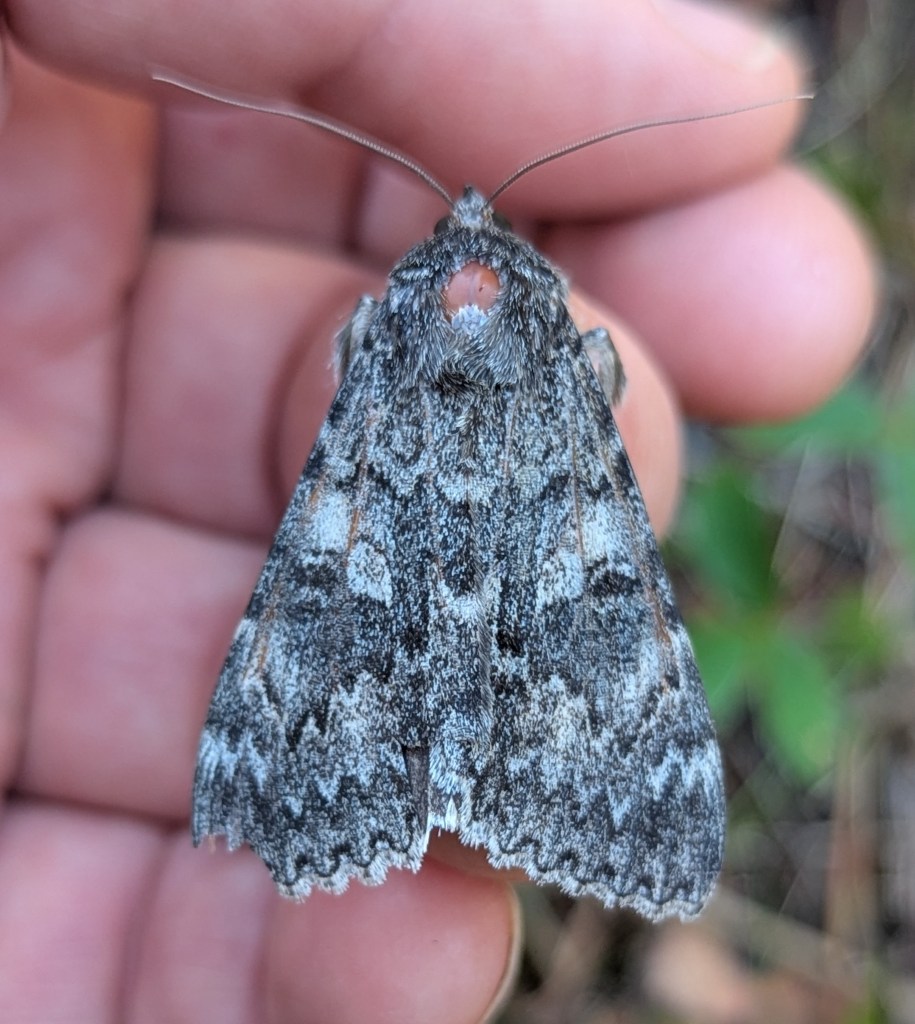
Gah. Catocala. Don’t get me wrong, they’re always cool to see – nice big juicy moths with spectacular underwings – but devils to ID. Since I seldom see them I haven’t yet put in the work to ID them. This was ID’d by others on iNat.
Caradrina camina
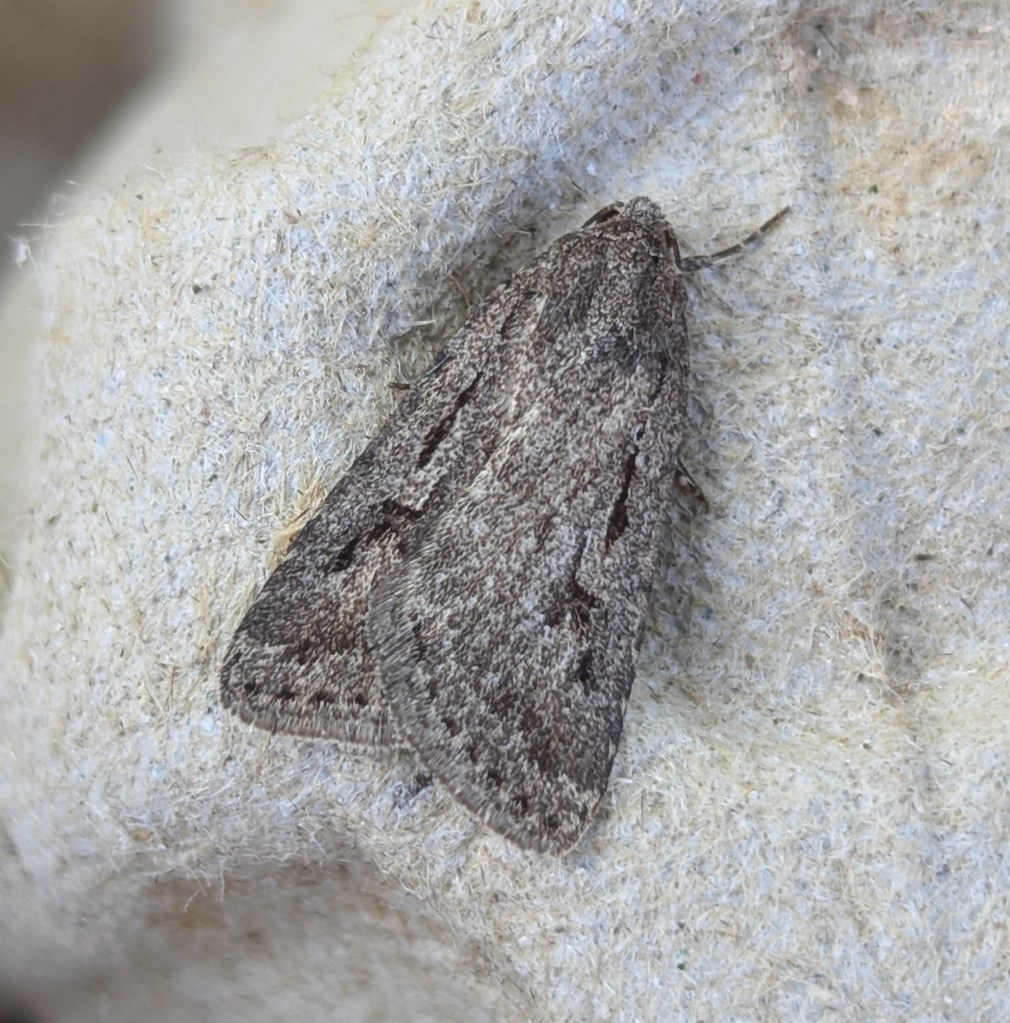
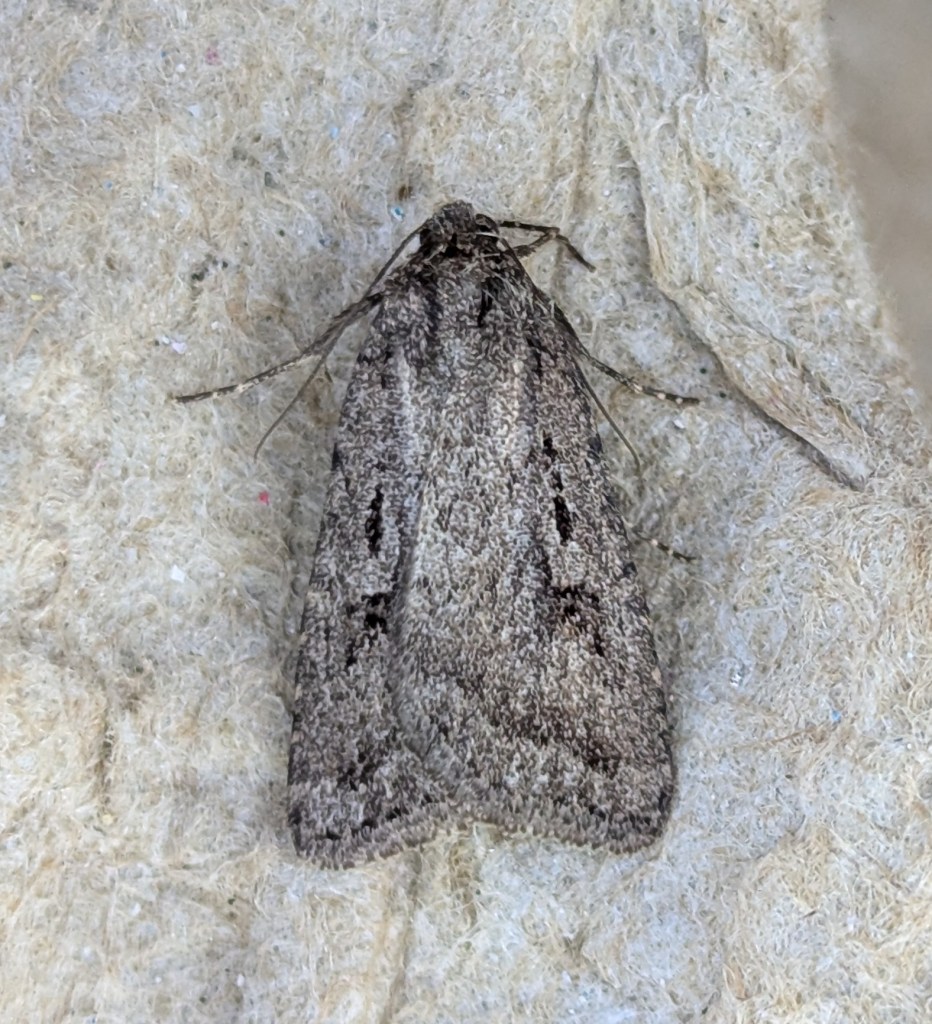
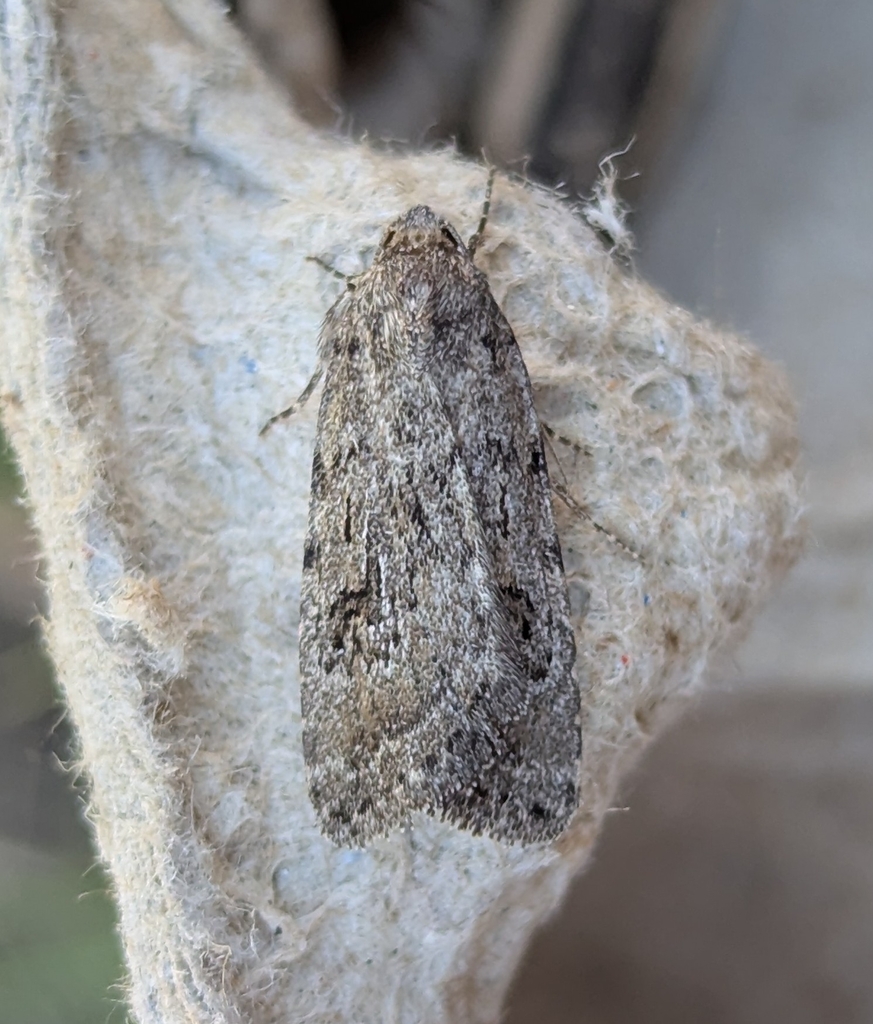
Curious little fella; distinctive markings. At first I thought I was looking at a worn individual, but by the fourth one I realized that that was just their look.
Sunira verberata
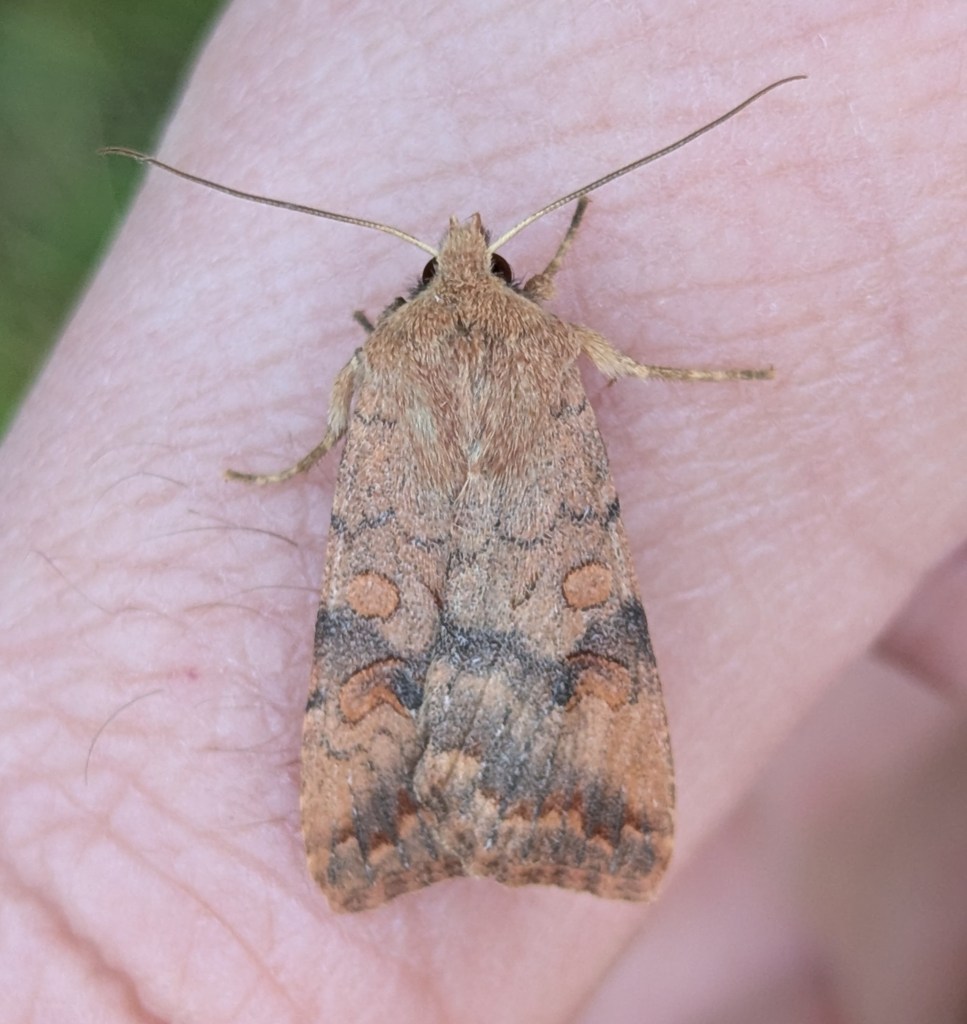
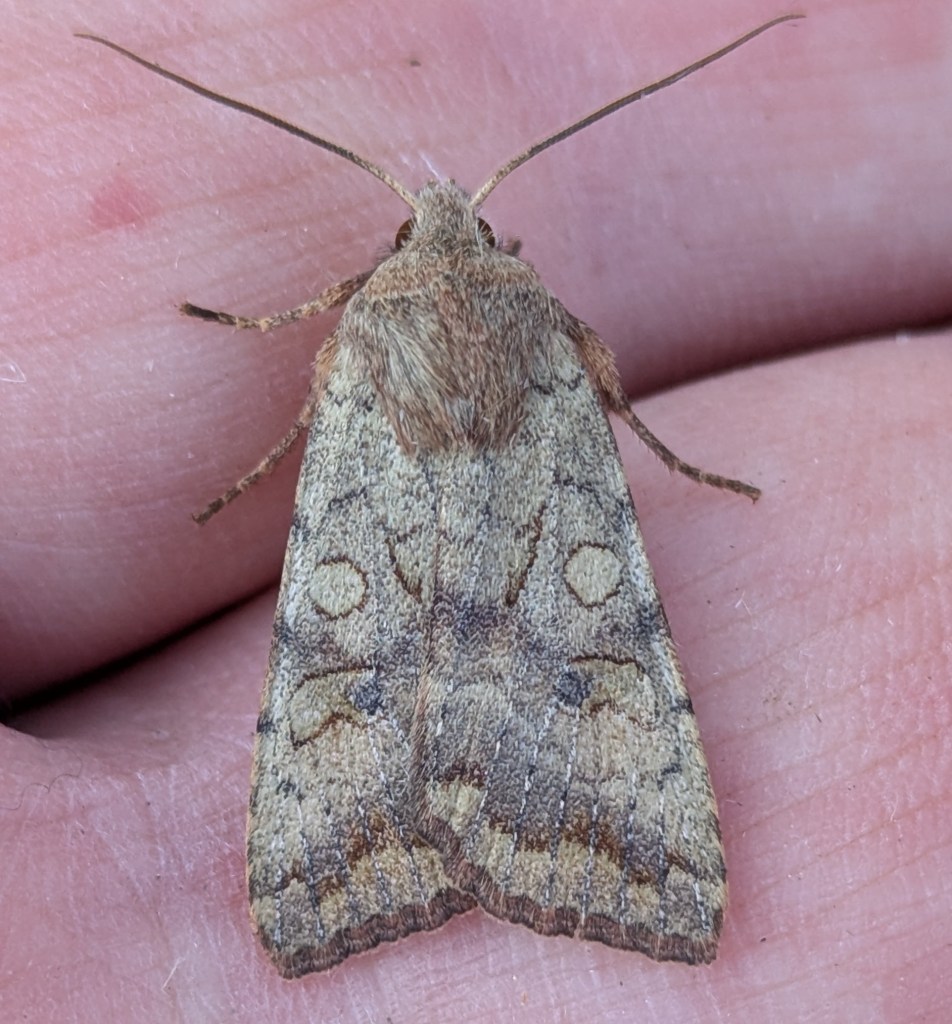
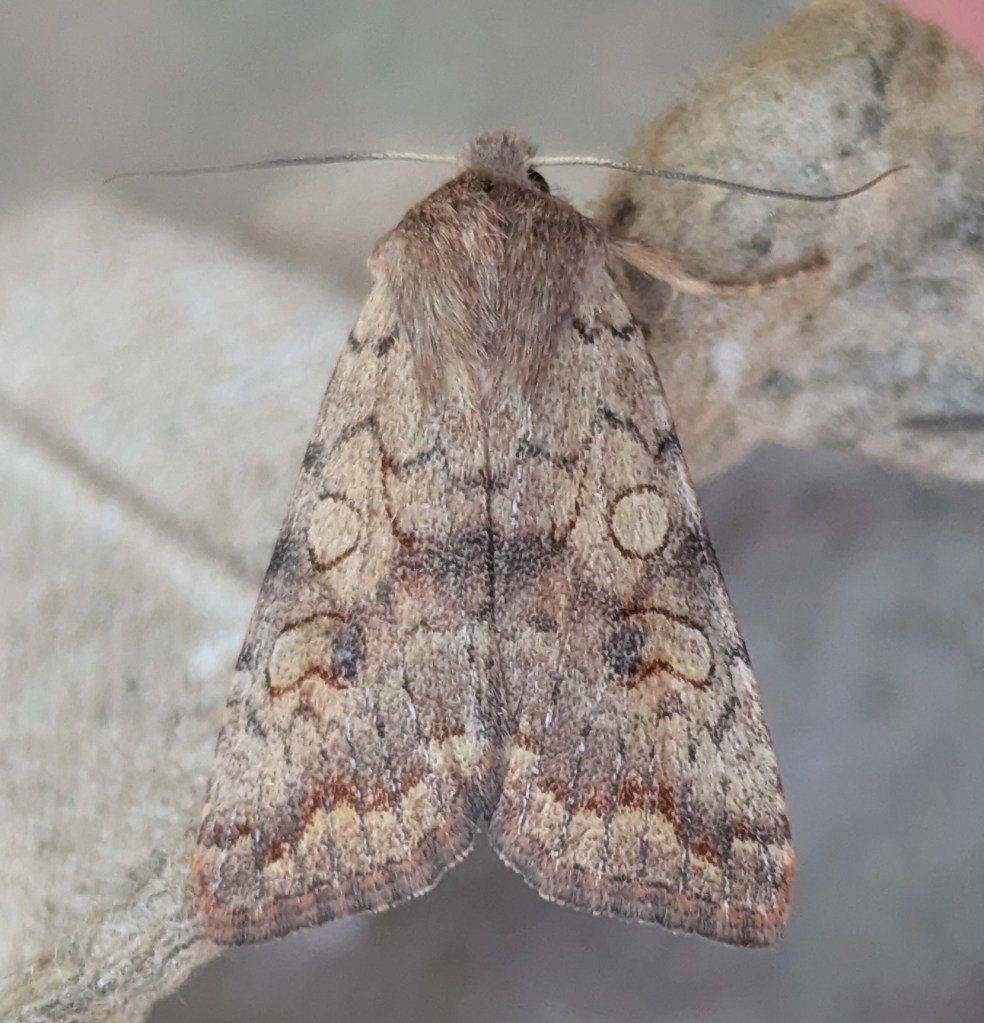
These were pretty abundant – I probably saw about 15. The other Sunira I’ve seen have been far less colourful. The strong grey markings and bold colours in the terminal area led me to this ID, but none have been confirmed yet.
Epidemas obscurus

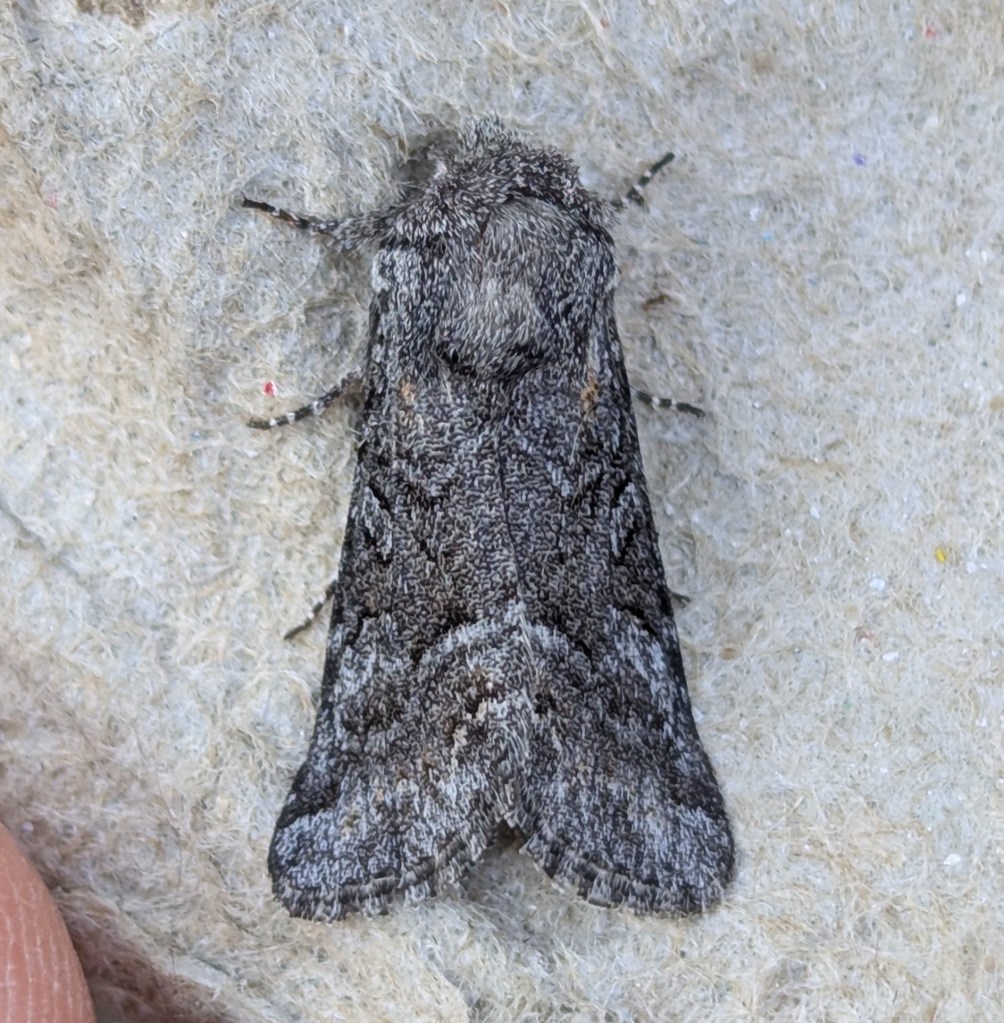
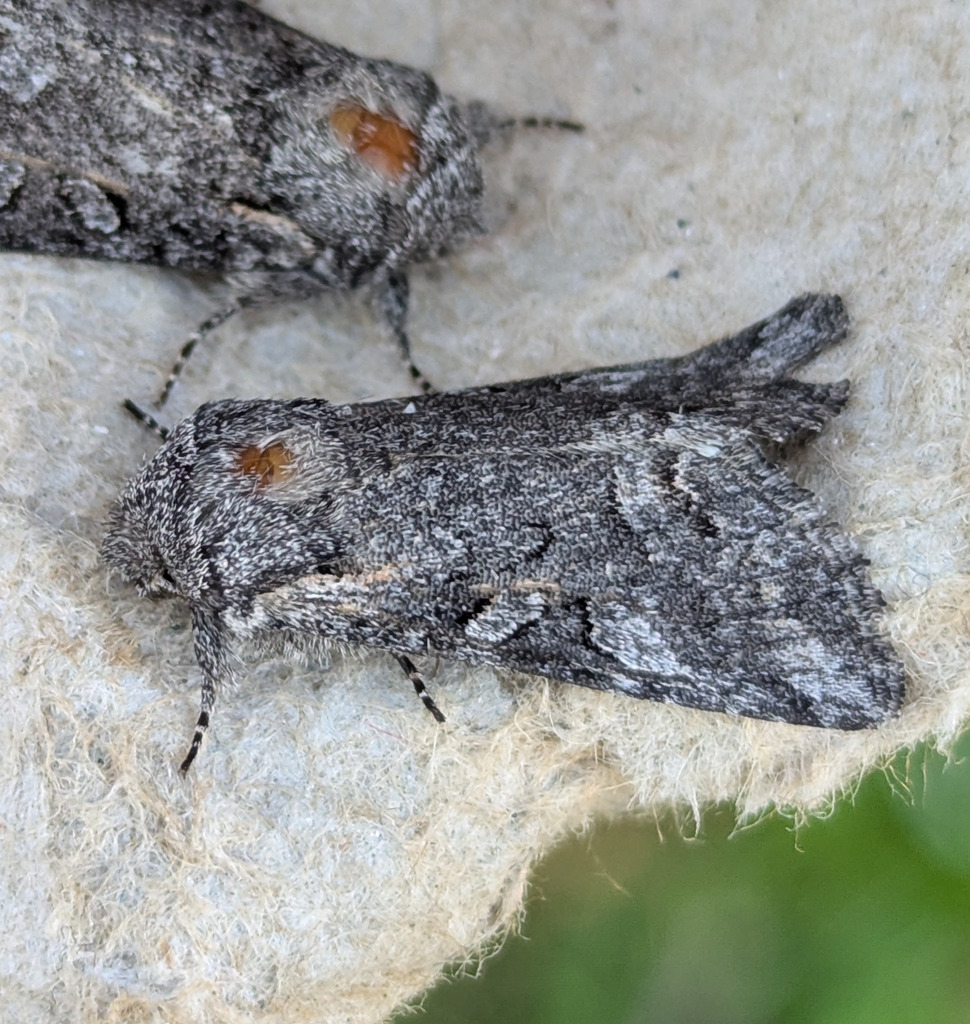
I’d never even heard of this genus; one of the many Xylenini. Thankfully Janice Arndt knew it and chimed in on one of my observations. With that light brown basal dash and strong black and white PM line and terminal lines – a neat look – I think there’s a half-decent chance I’ll actually consign this one to memory.
Euxoa atomaris
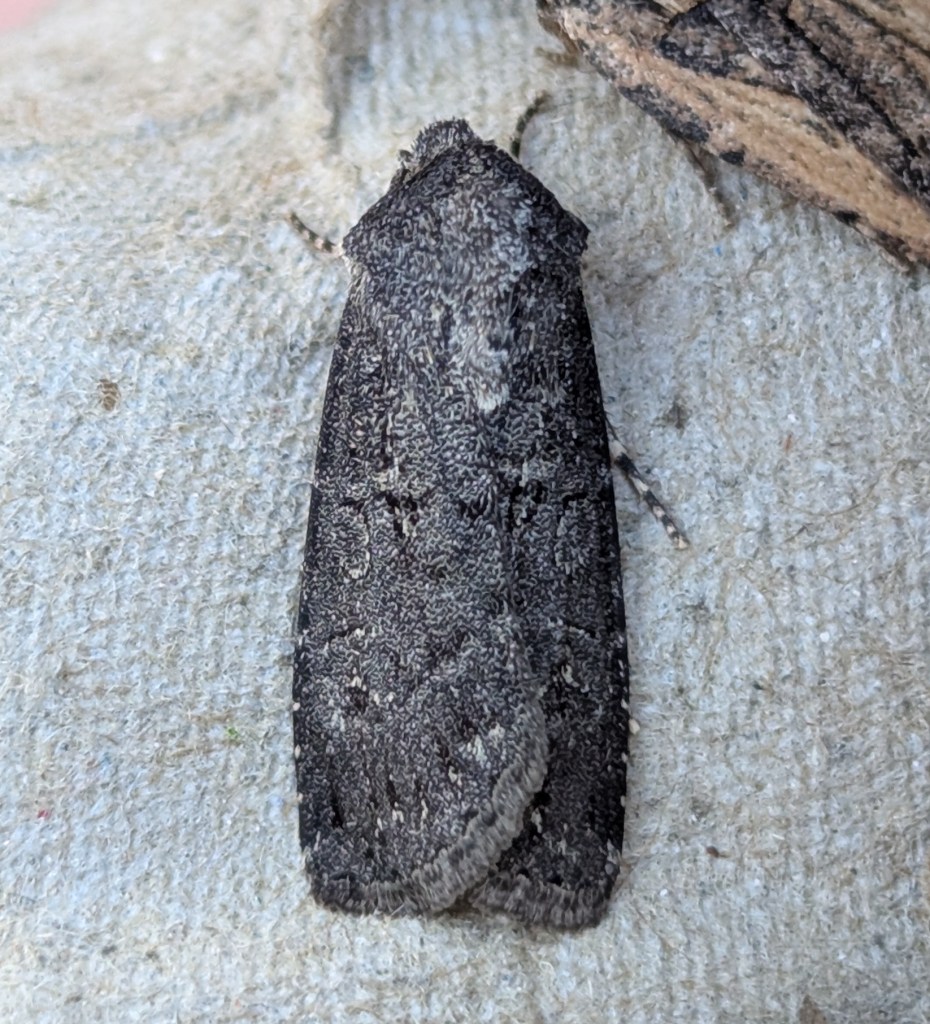
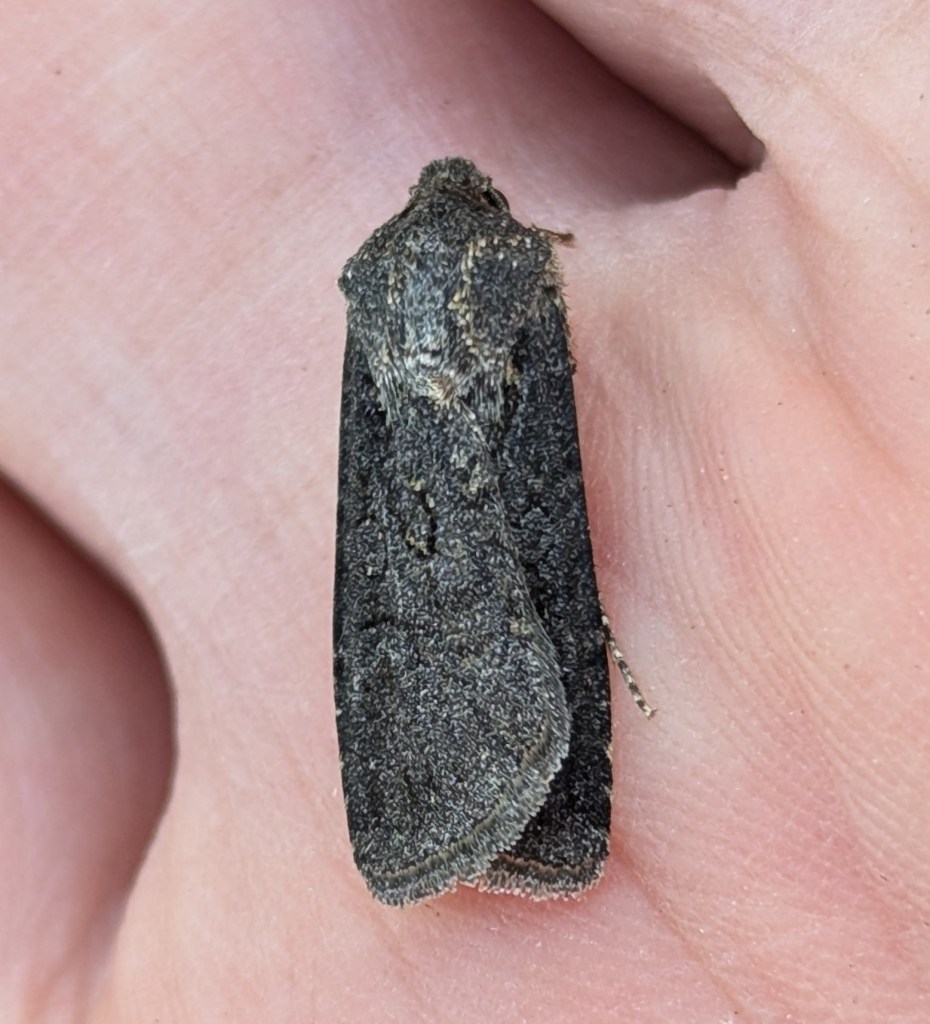
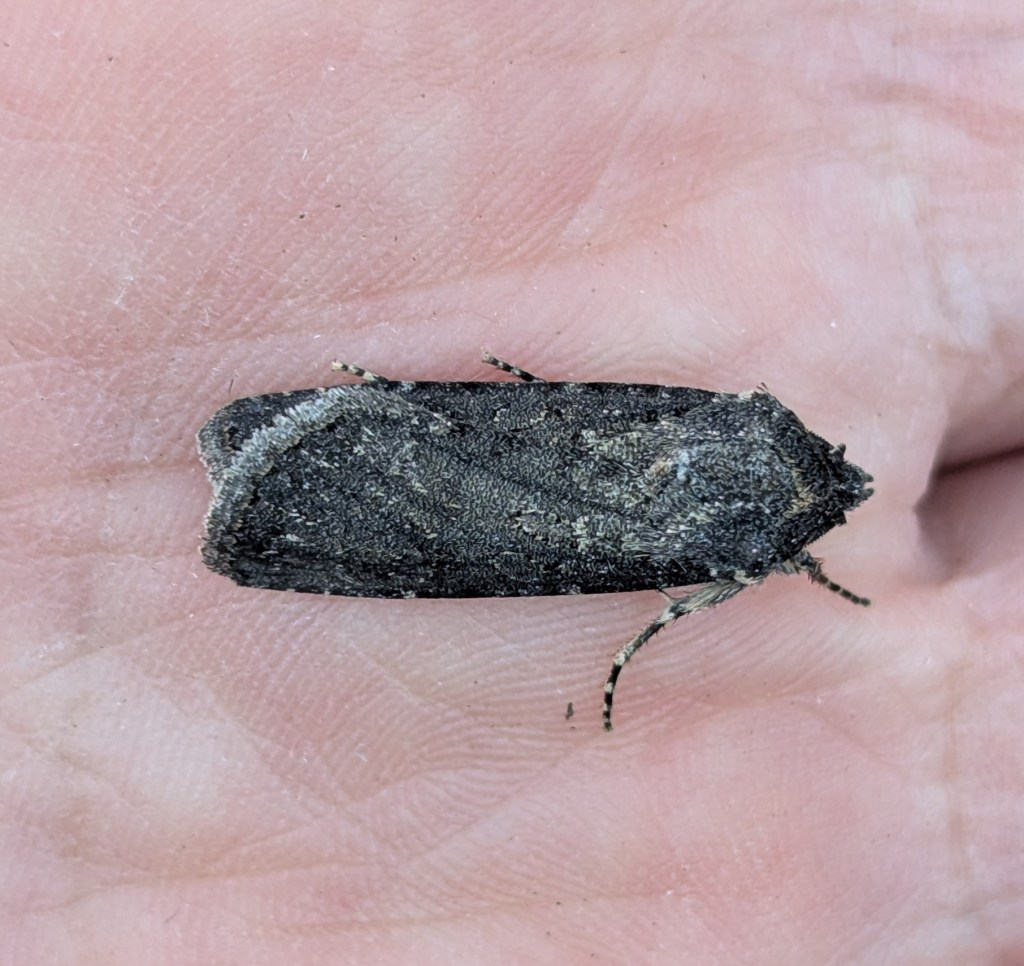
Alrighty… onto the Euxoa. I’ll absolutely need these corroborated, but these sure looked like atomaris to me. If confirmed, these would be the first provincial observations of this species for iNat.
Euxoa olivia
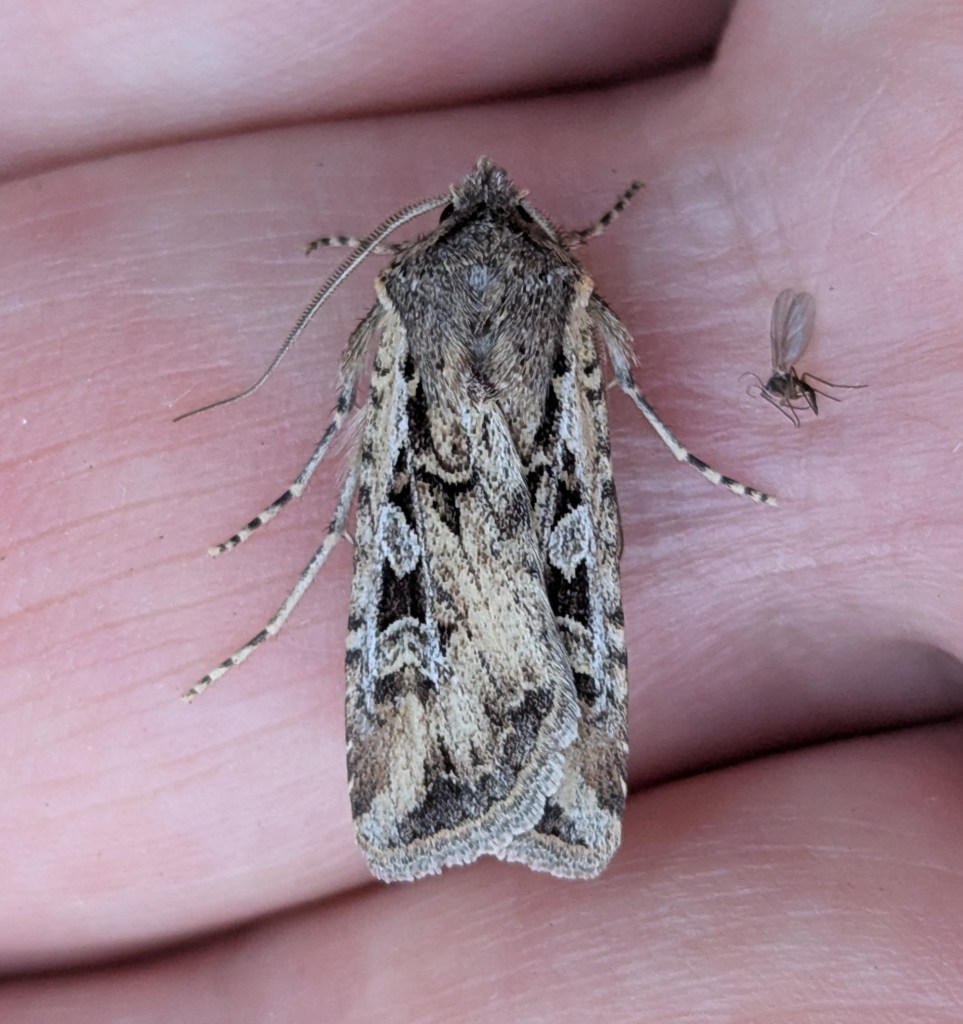

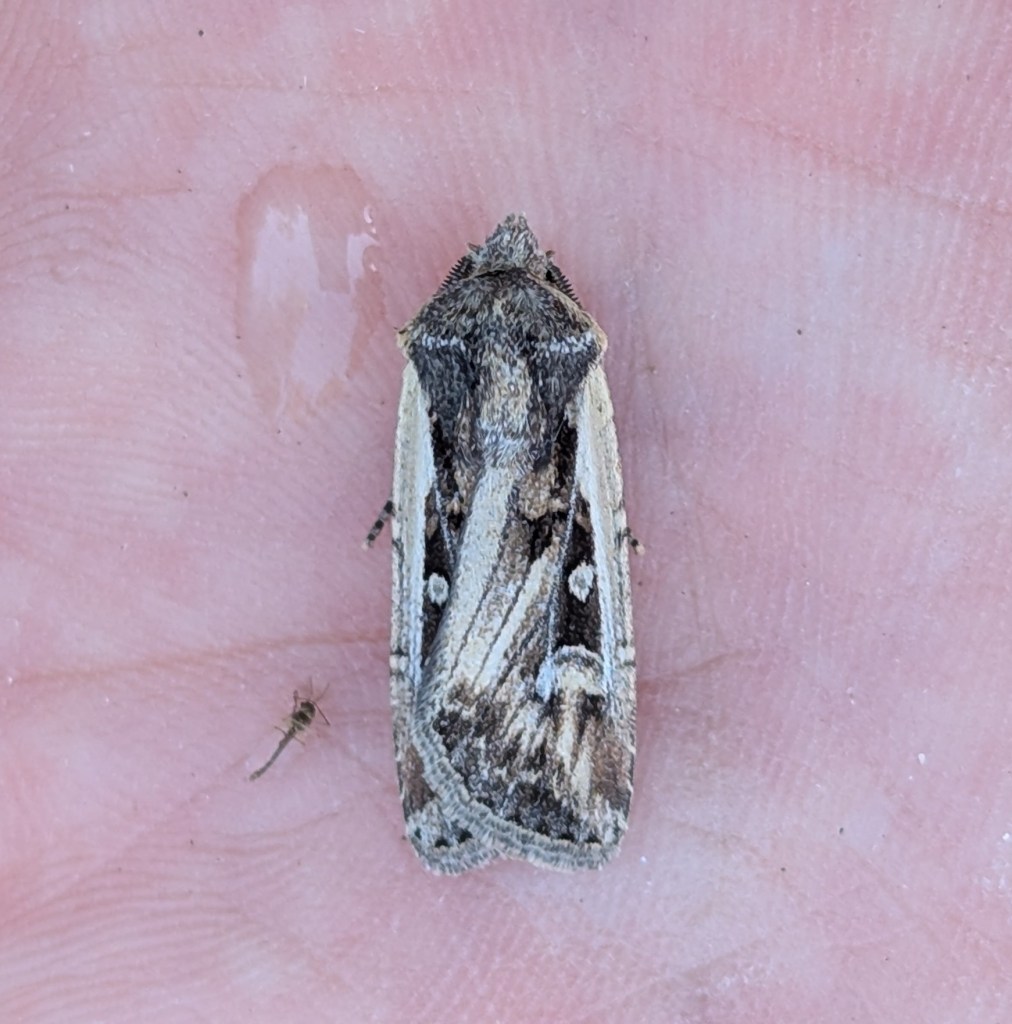
Luckily Dave Holden chimed in on this species, I was reluctantly settling on E. auxiliaris, which is a bit of a “if-nothing-else” bucket for me. Beautiful moths, plenty around. Note how different the third specimen is here. They’re sexually dimorphic and quite variable. The PNW Moths description is very interesting and worth a closer read.
Euxoa punctigera
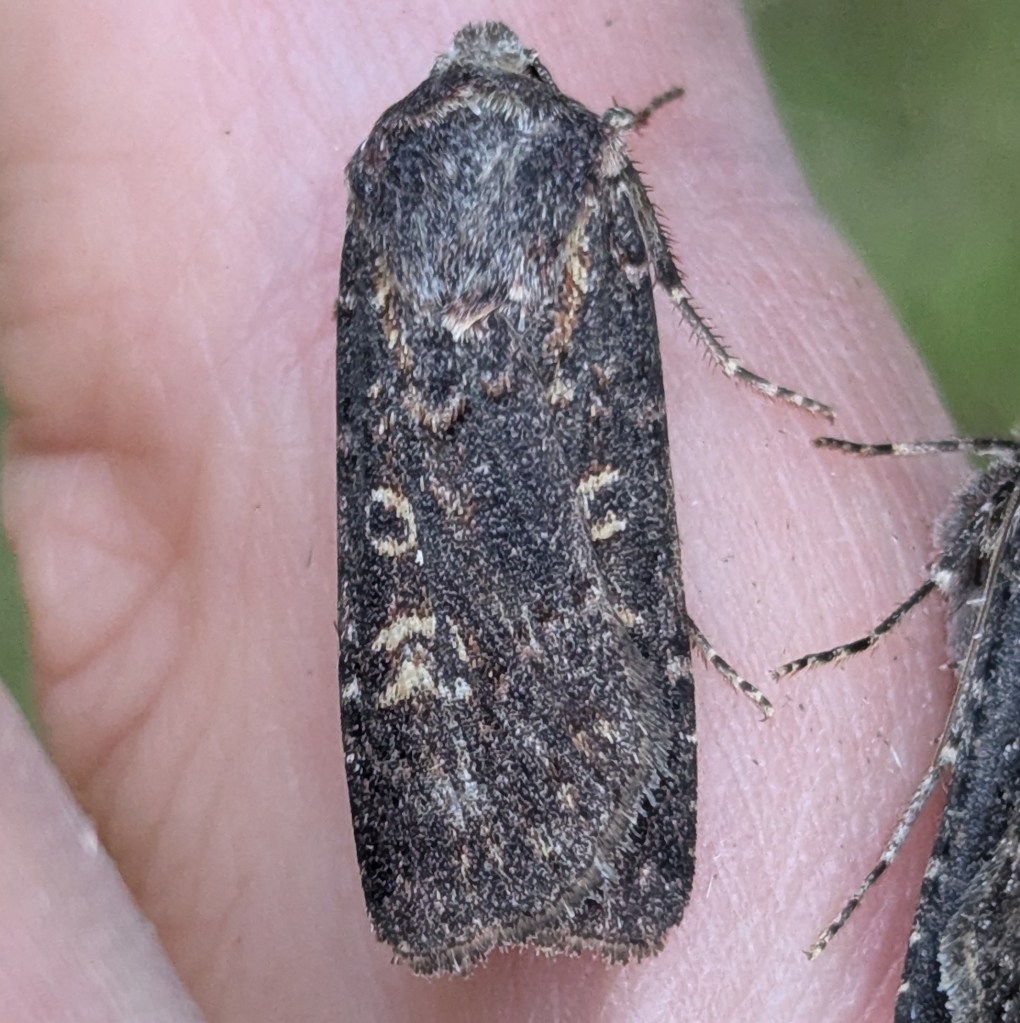
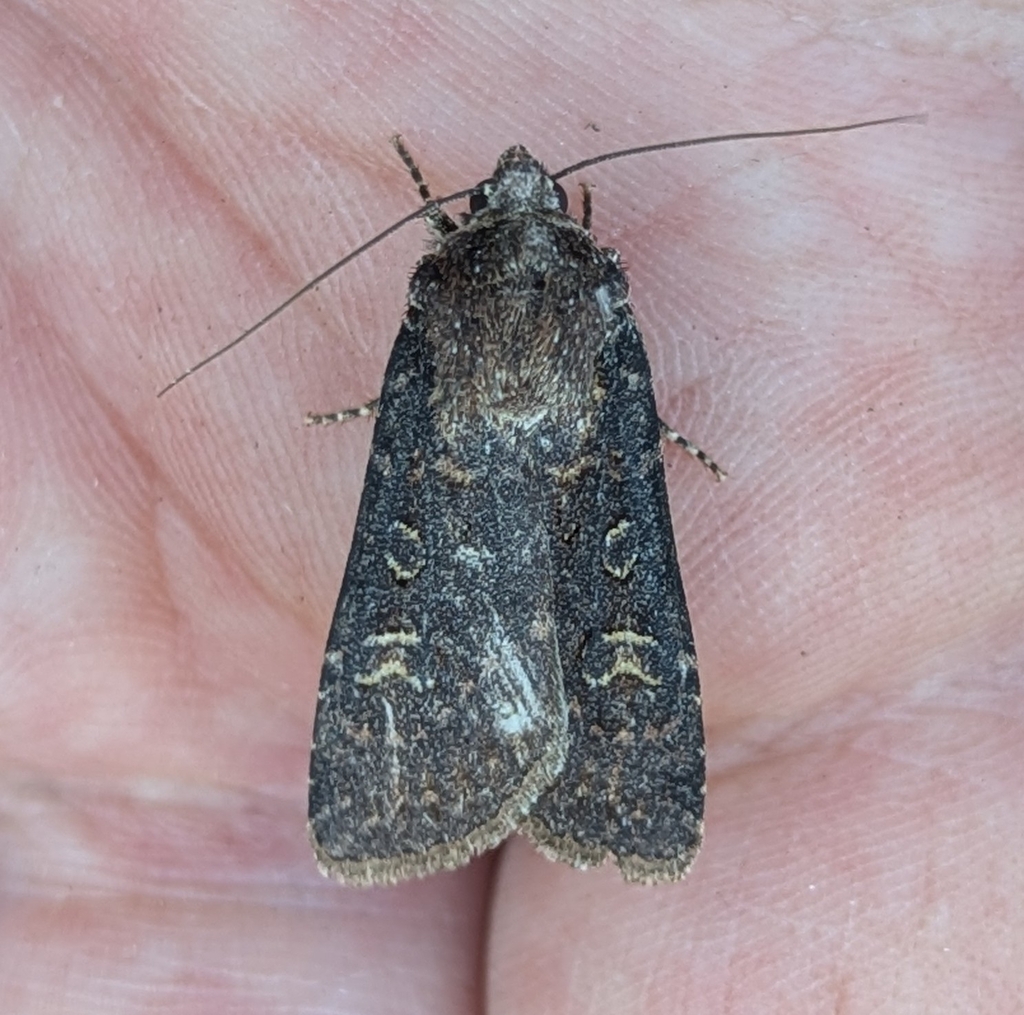
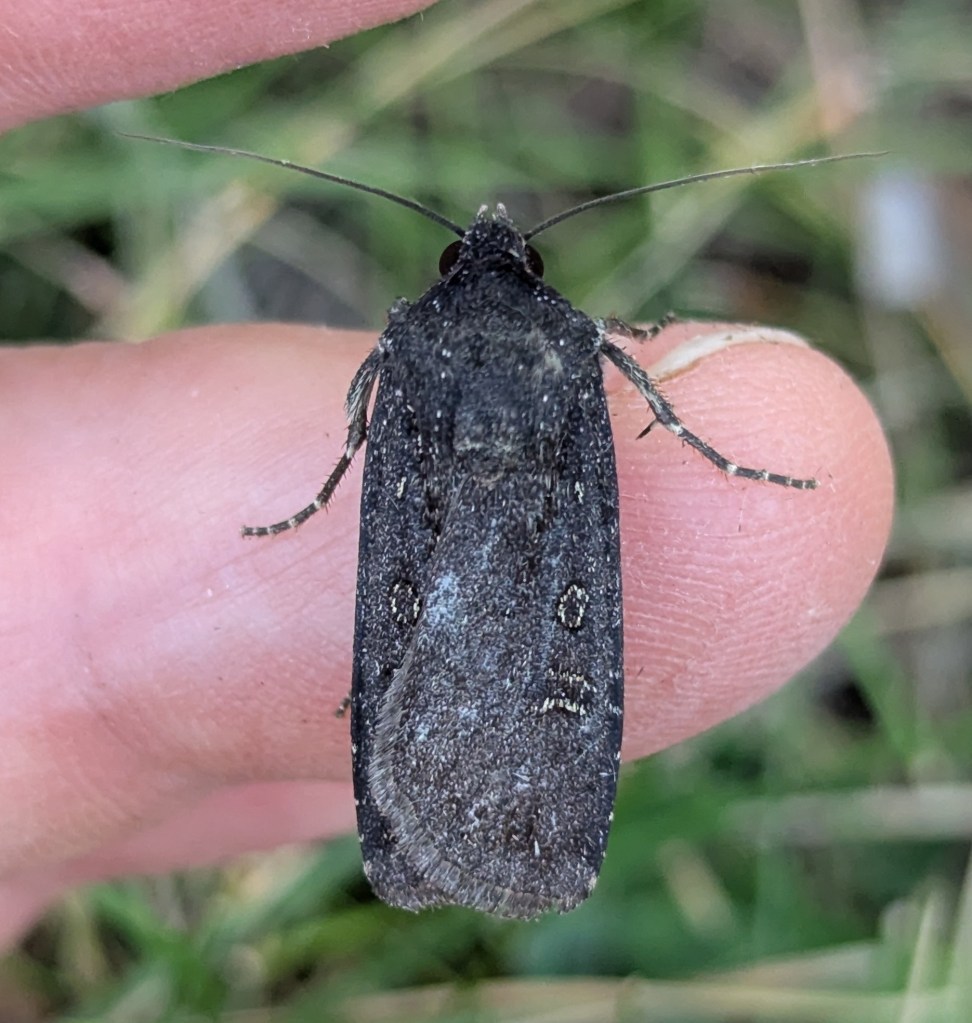
Pretty. The third individual was confirmed by Dave Holden and Lars Crabo on the last BC Leps meeting.
 BC Moths