
Home at last! I’m back from a 5 week trip to Golden BC. En route, I stayed in Merritt and Salmon Arm setting up traps at both locations, but the bulk of my time was spent mothing around Golden.
Today I got some time to crunch through my observations, so here’s a quick trip summary and a list of the more tantalizing macromoths I encountered. I’ll do a follow-up post on the micros.
In total I saw 331 species; 1731 observations; 35 lifers.
Pretty place, Golden! I stayed there for a night or two back in 2020 and ever since I’ve wanted to return. The weather was rather up and down, and by the end of June, the recurring rain meant vast swarms of mosquitos that waitings to greet me at the nets each morning. A couple of days I regretted not owning a hazmat suit. But it was worth the battle: I saw some great stuff.
Let’s sift through the sightings.
* = lifer
** = new for BC on iNat
Hydrelia albifera (Fragile white carpet) *
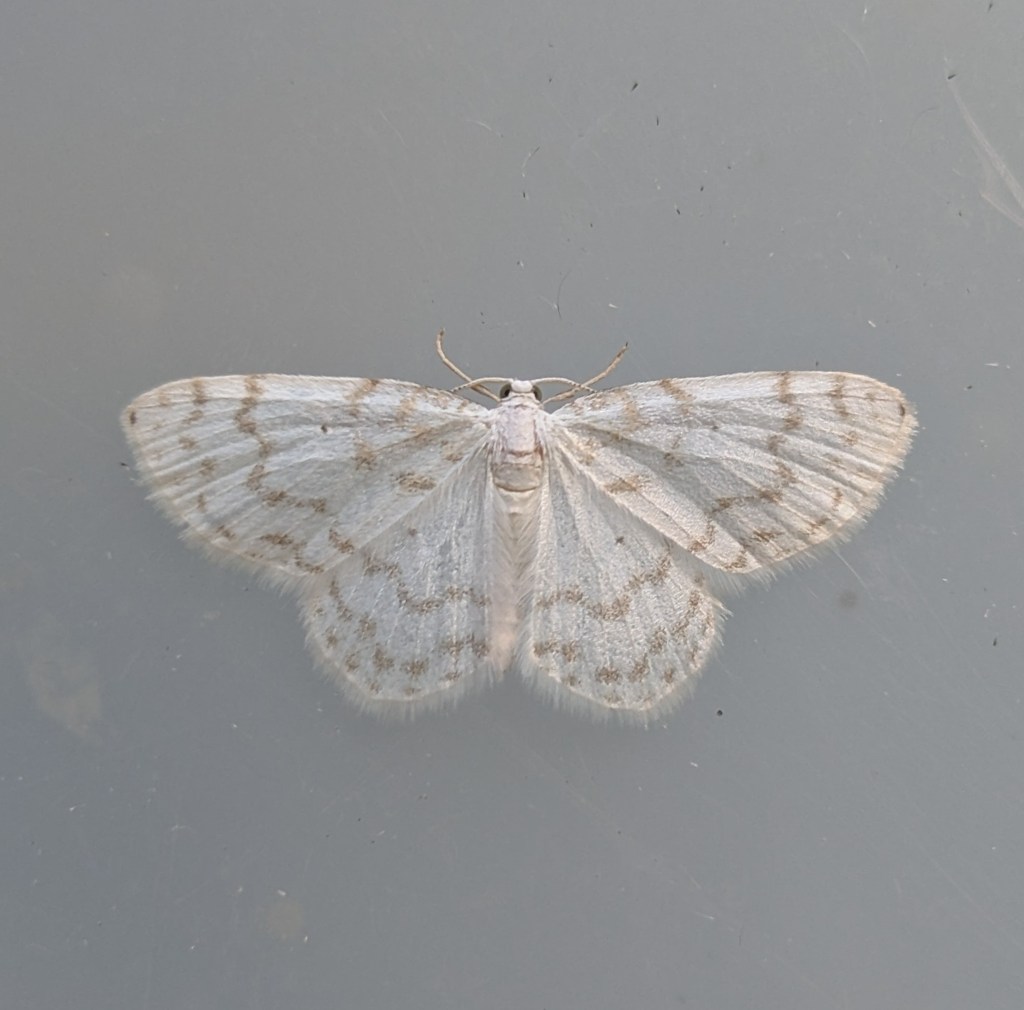
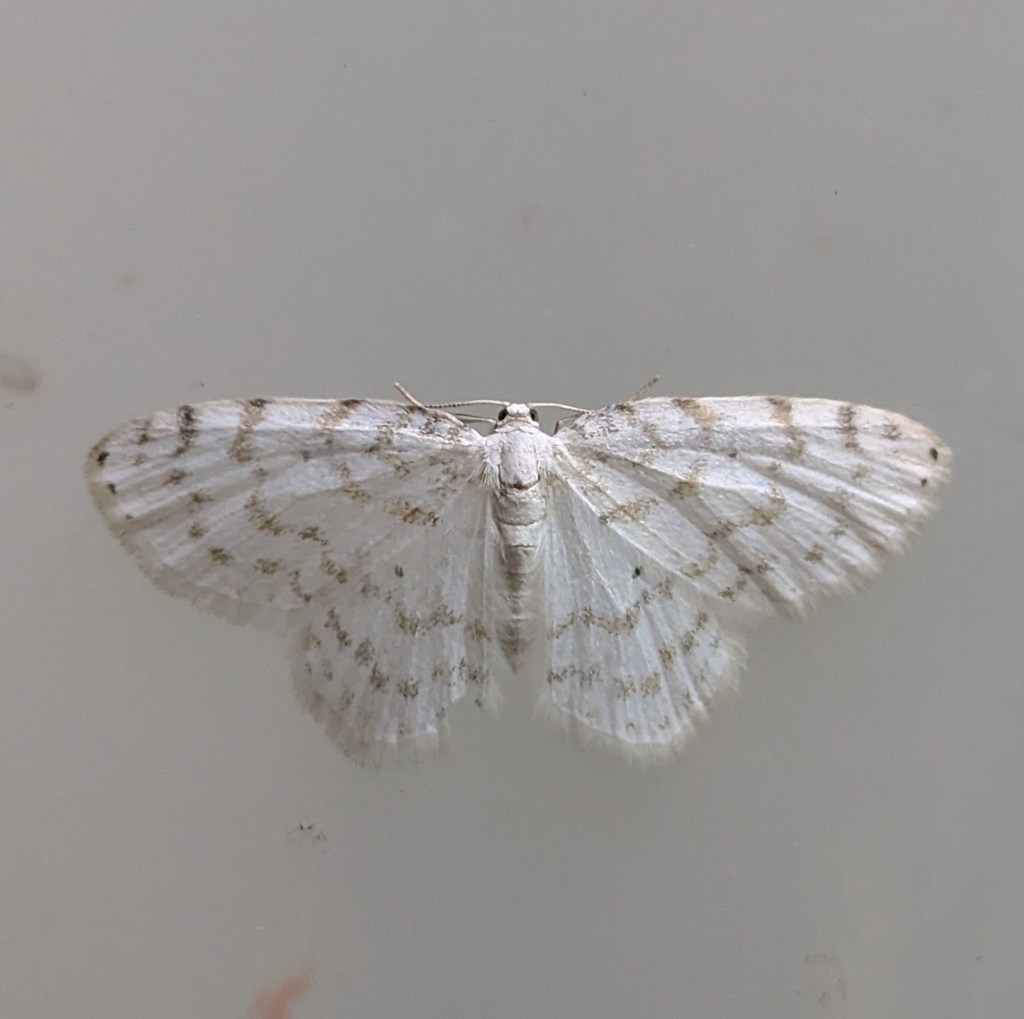
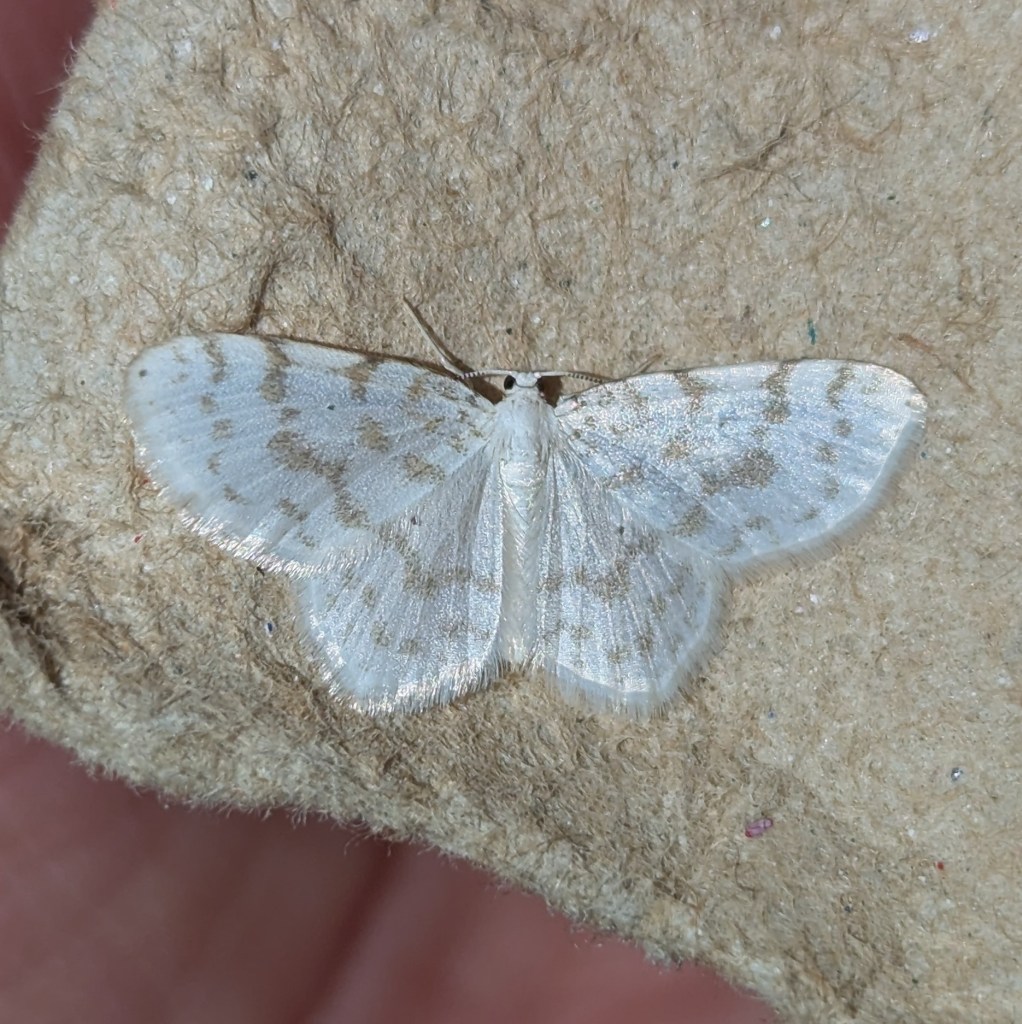
Tentative ID, but the genus is certain. There are two very similar species in BC from that genus: brunneifasciata and albifera. Notes on bugguide from 2022 state that observations west of the Rockies should be considered brunneifasciata, but that no differences appeared in the DNA analysis so they may well be the same species. Given that I was right in the midst of the Rockies (east, really) it was a toss up. There were also no dark apex to the wings as shown in other brunneifasciata I saw posted from much further west in BC, though whether that’s diagnostic is doubtful. Until things get a little clearer, I tentatively put these down as albifera.
Identification aside, it’s a pretty little moth. It immediately stood out from the other white geometers in the province. Rounded wings with thick pale brown lines that were visible unless extremely worn. They were quite numerous throughout my time in Golden – I caught them virtually every night, sometimes 10 or more in my nets. I stopped photographing each one once I saw how common they were in the area. Technically albifera is considered vulnerable in BC by NatureServe, but given the taxonomical murkiness and lack of people out looking, who really knows.
Orthodes detracta (Disparaged Arches moth) *
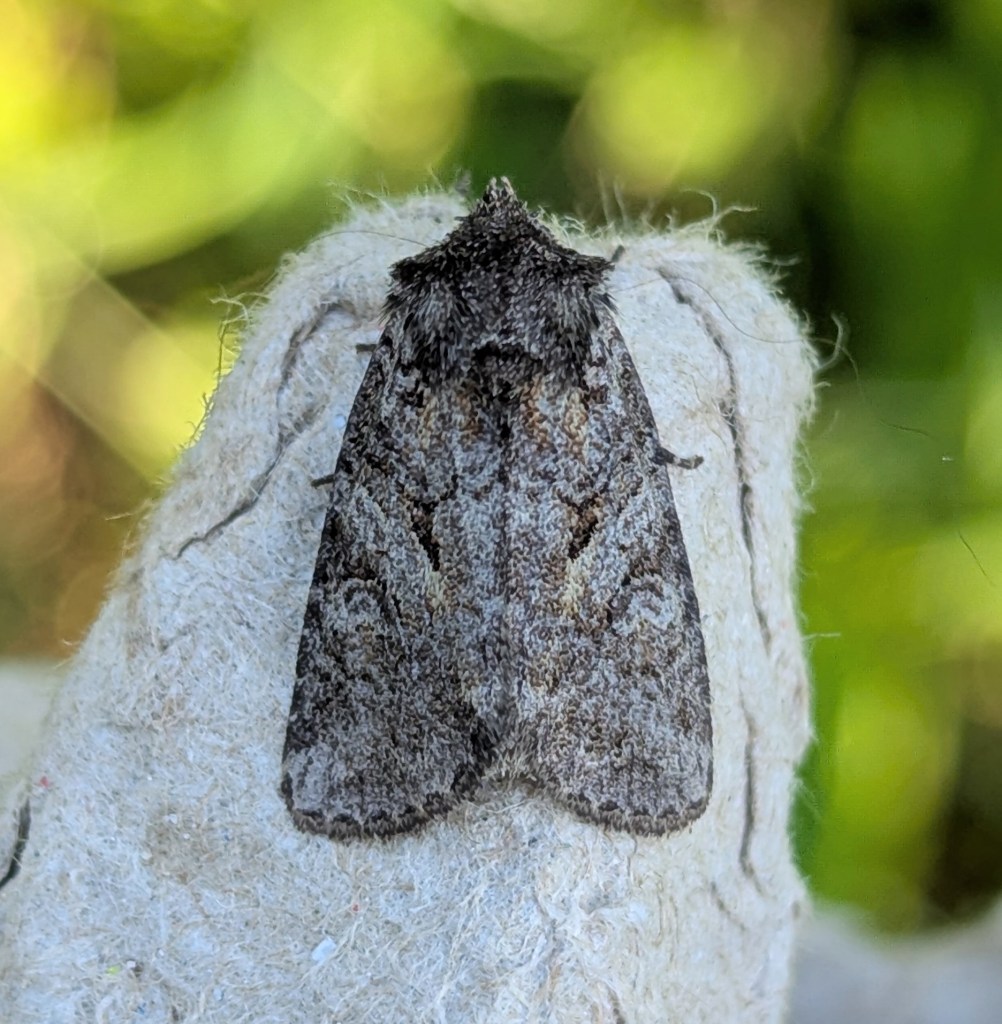
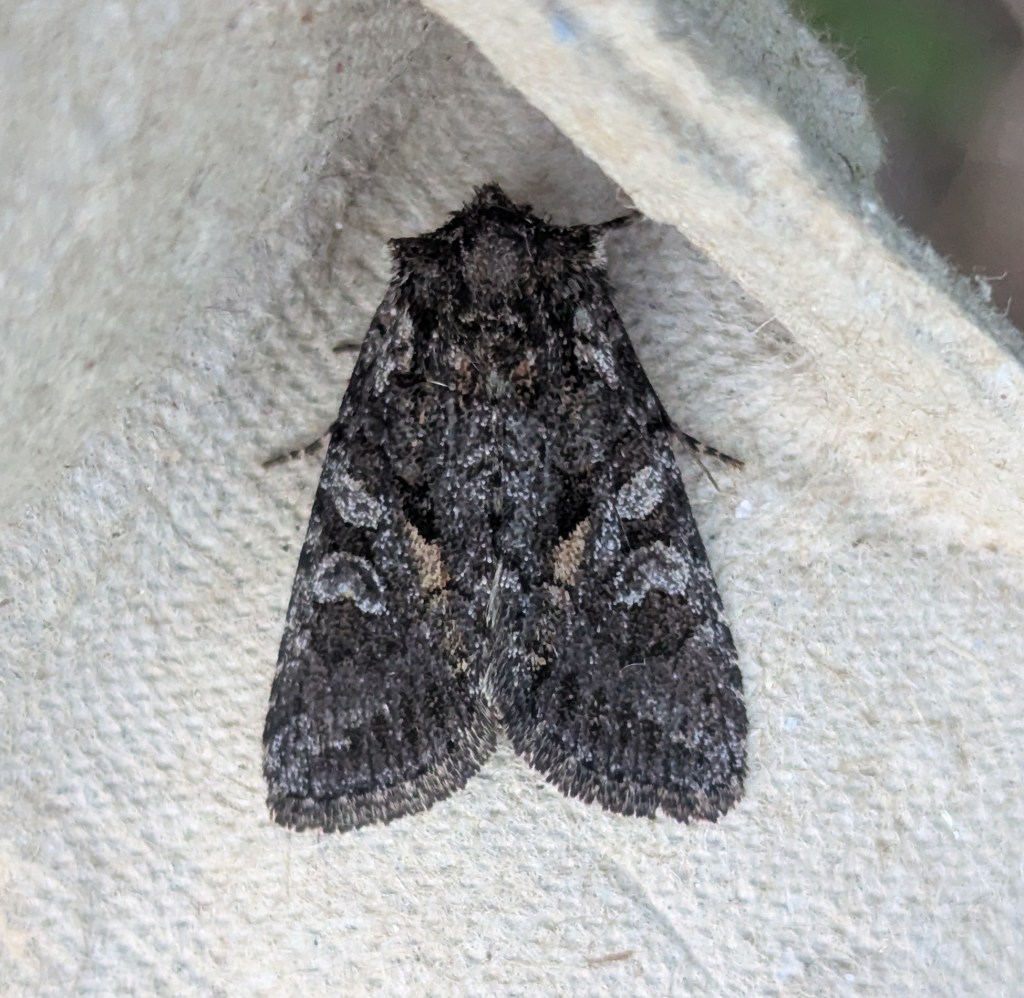
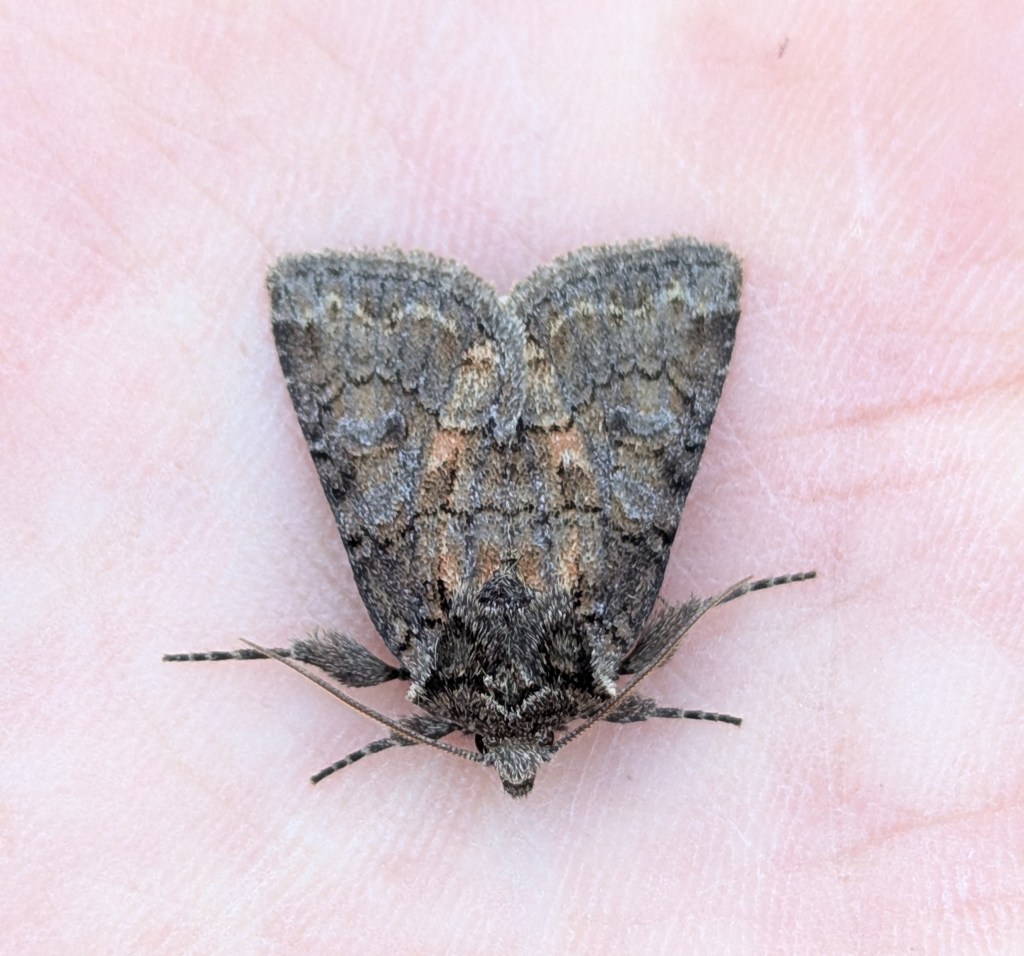
What’s with that common name?! But great to see a second Orthodes. I’m quite familiar with Orthodes obscura, and was on the lookout for this and O. goodelli. Again, very common throughout my time in Golden and quite recognizable now I’ve seen it enough.
Elaphria alapallida (Pale-winged midget) *
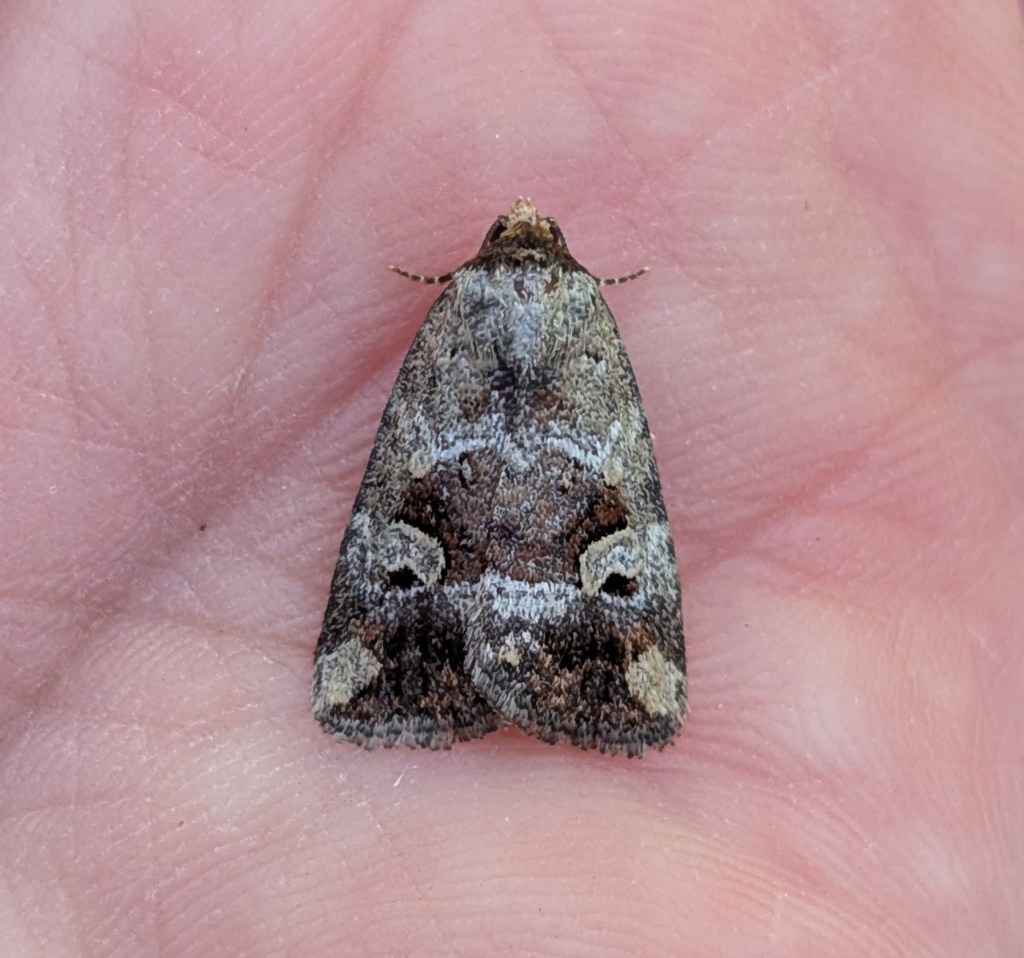
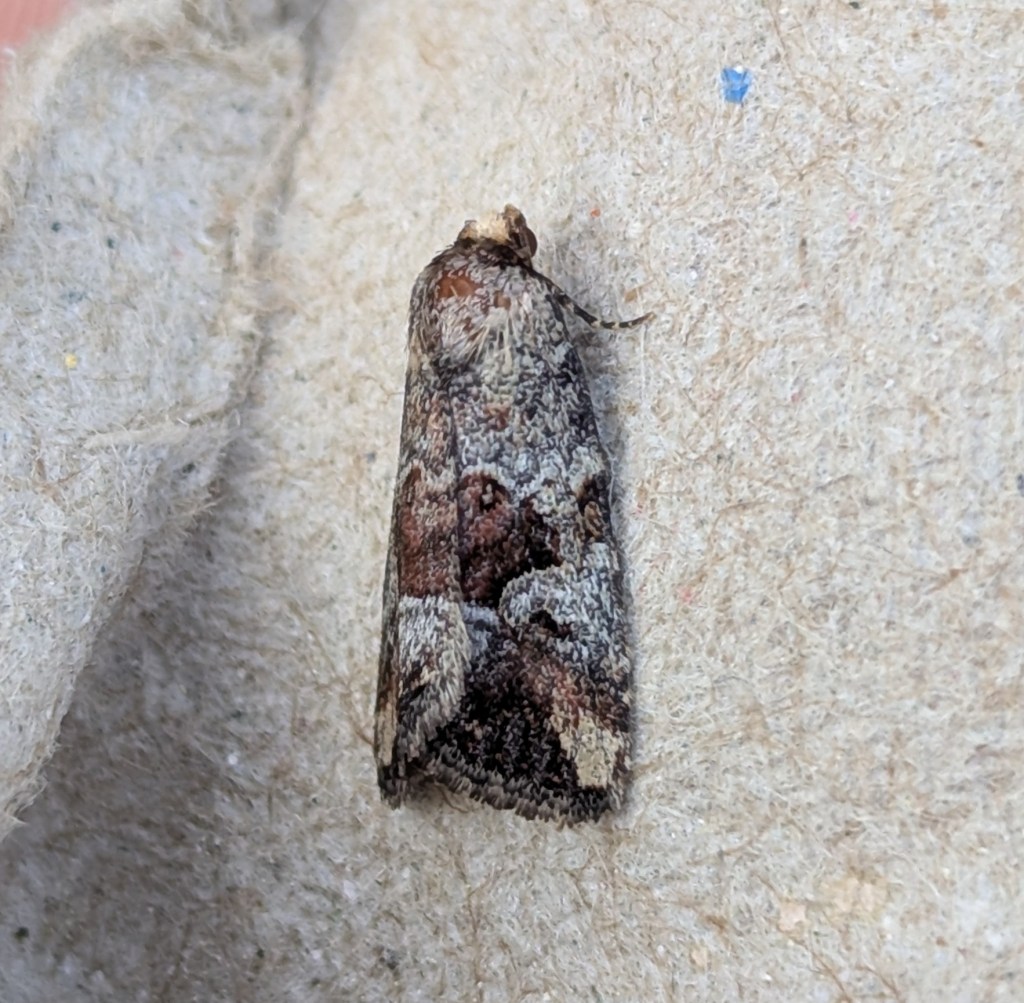
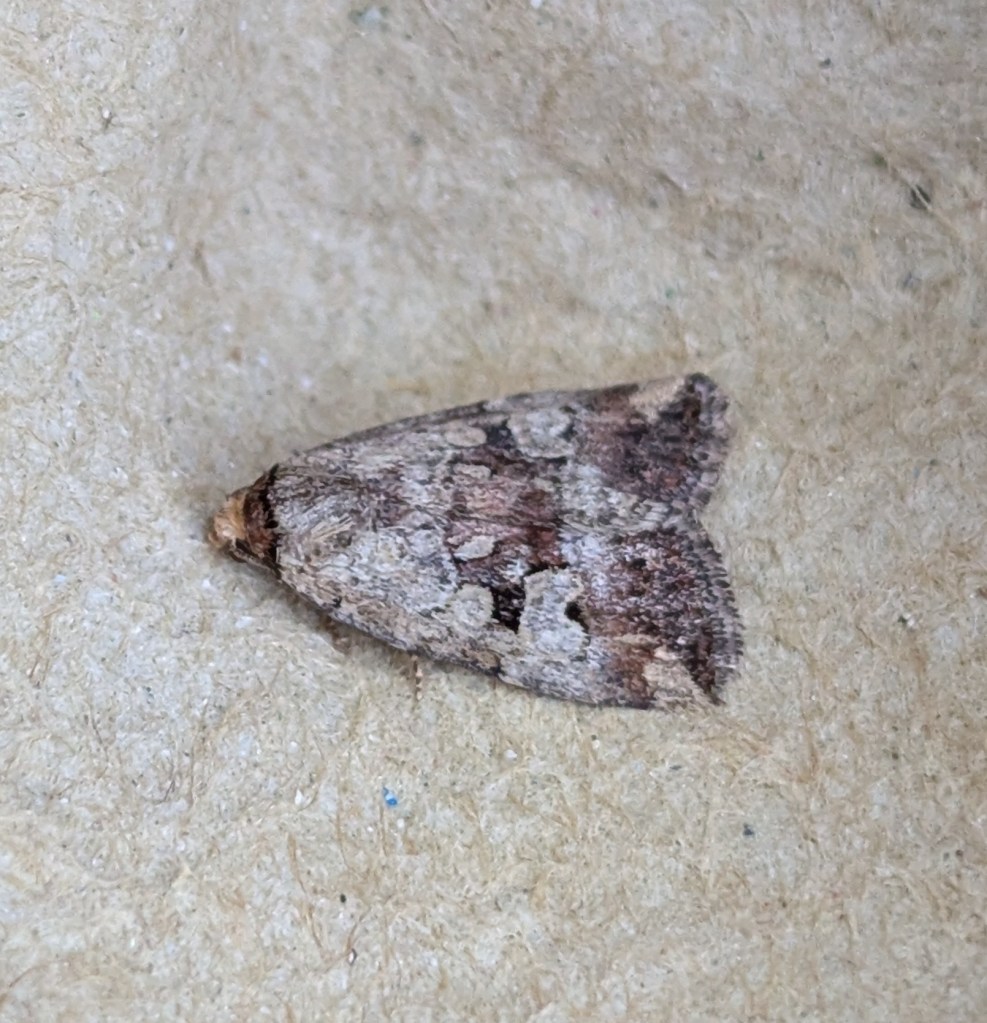
A noctuid – go figure. I wasn’t sure what I was looking at when I encountered the first one. Primarily an eastern North American species, but spotted all the way west to Vancouver Island.
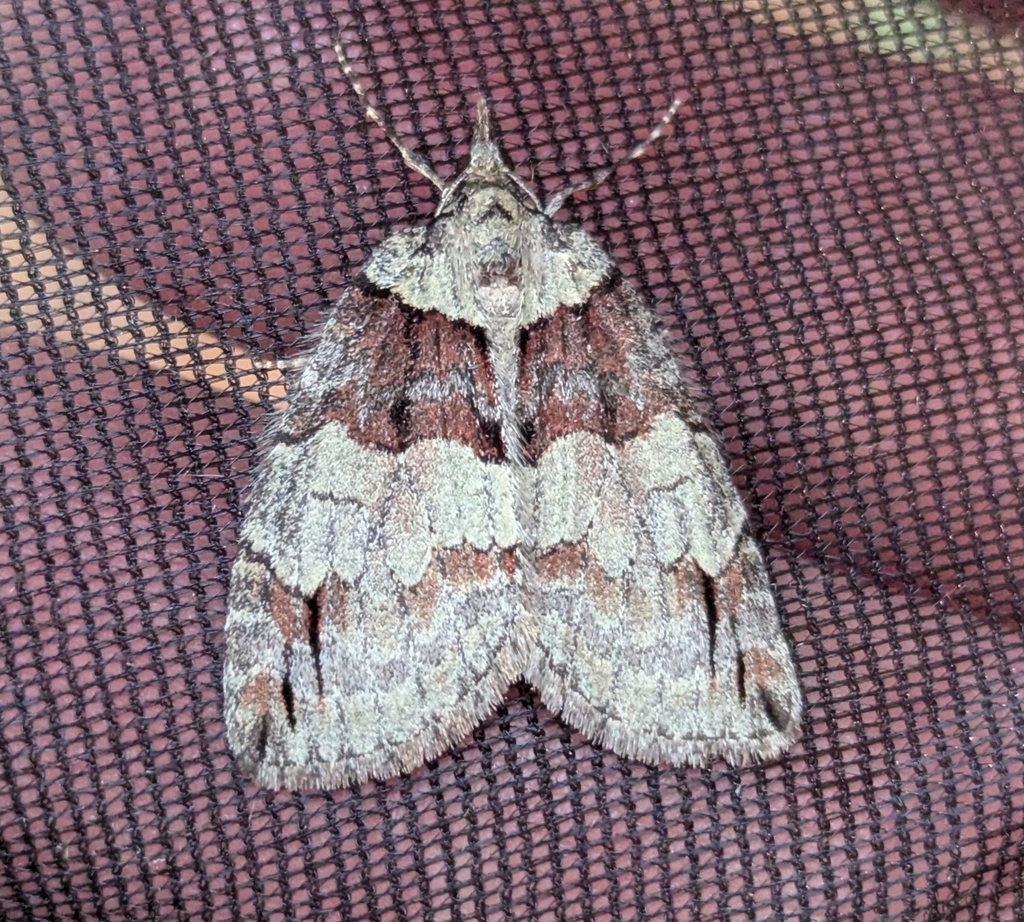
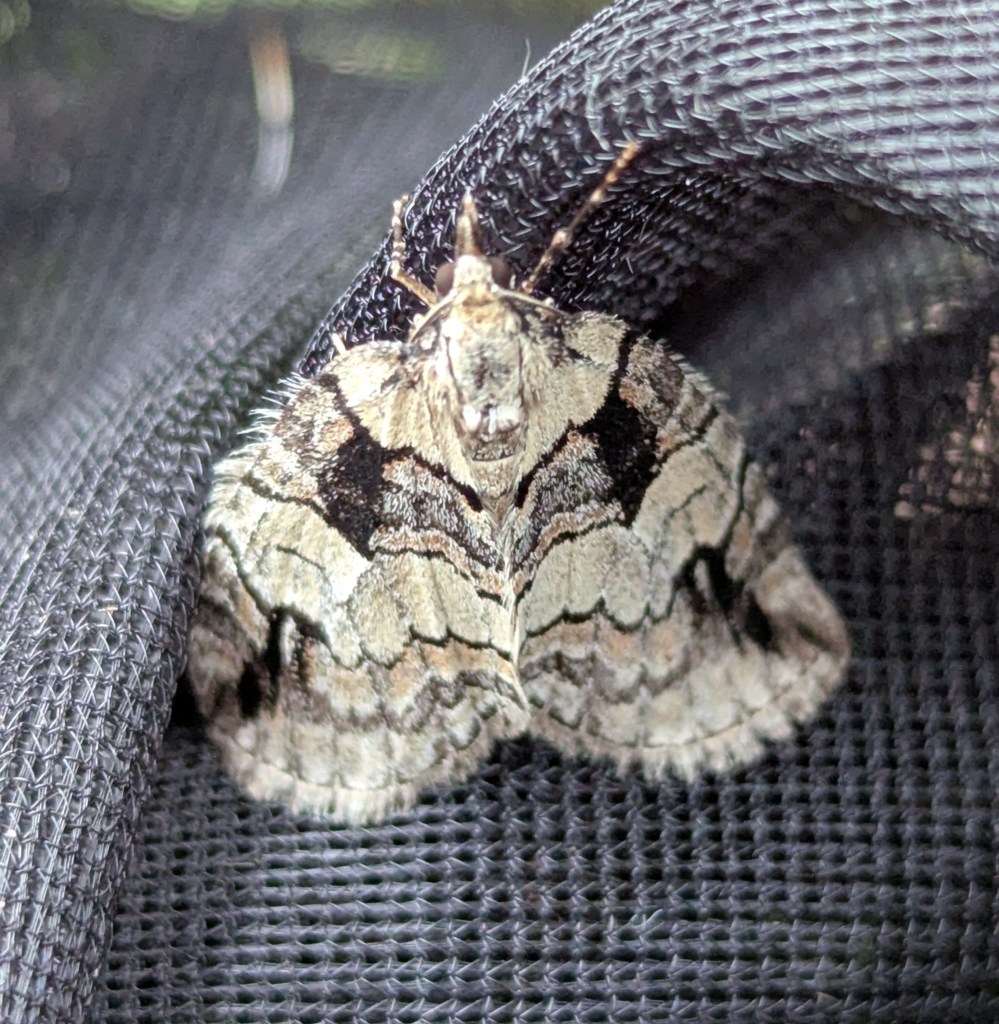
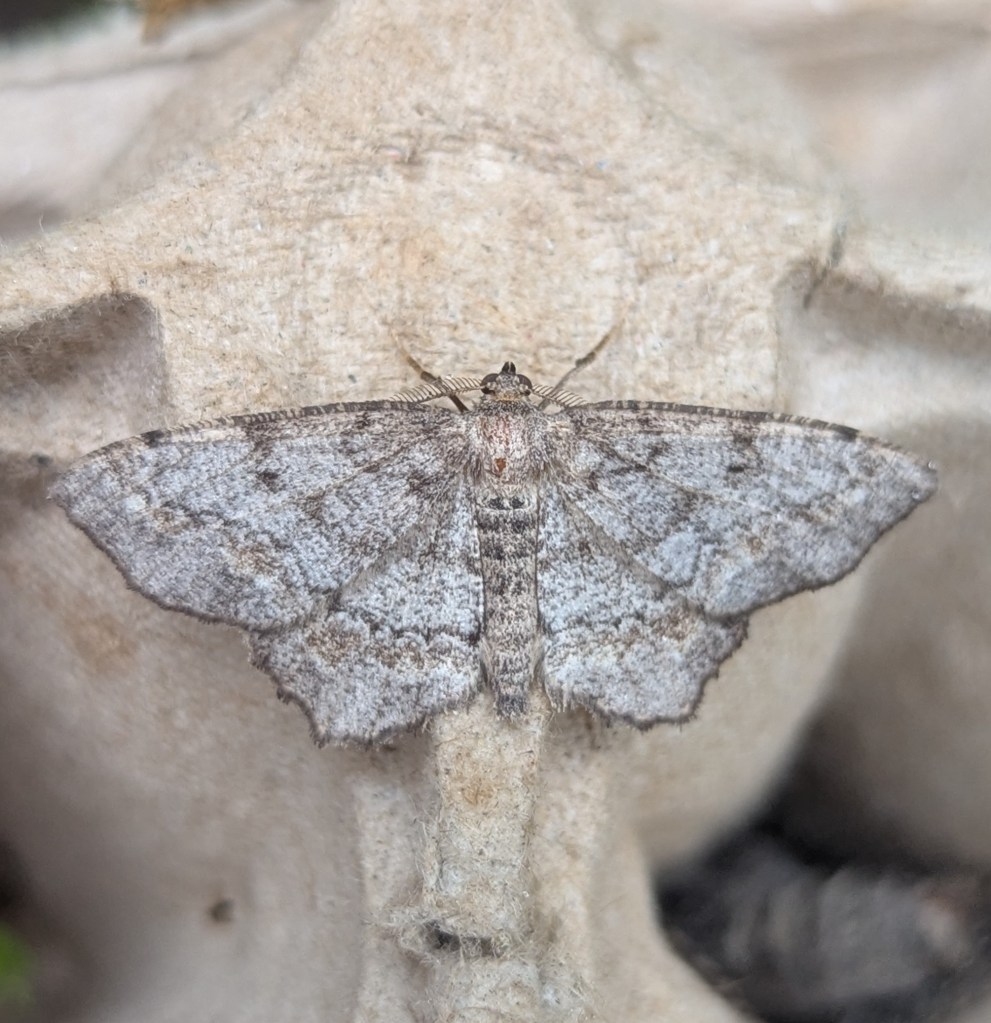
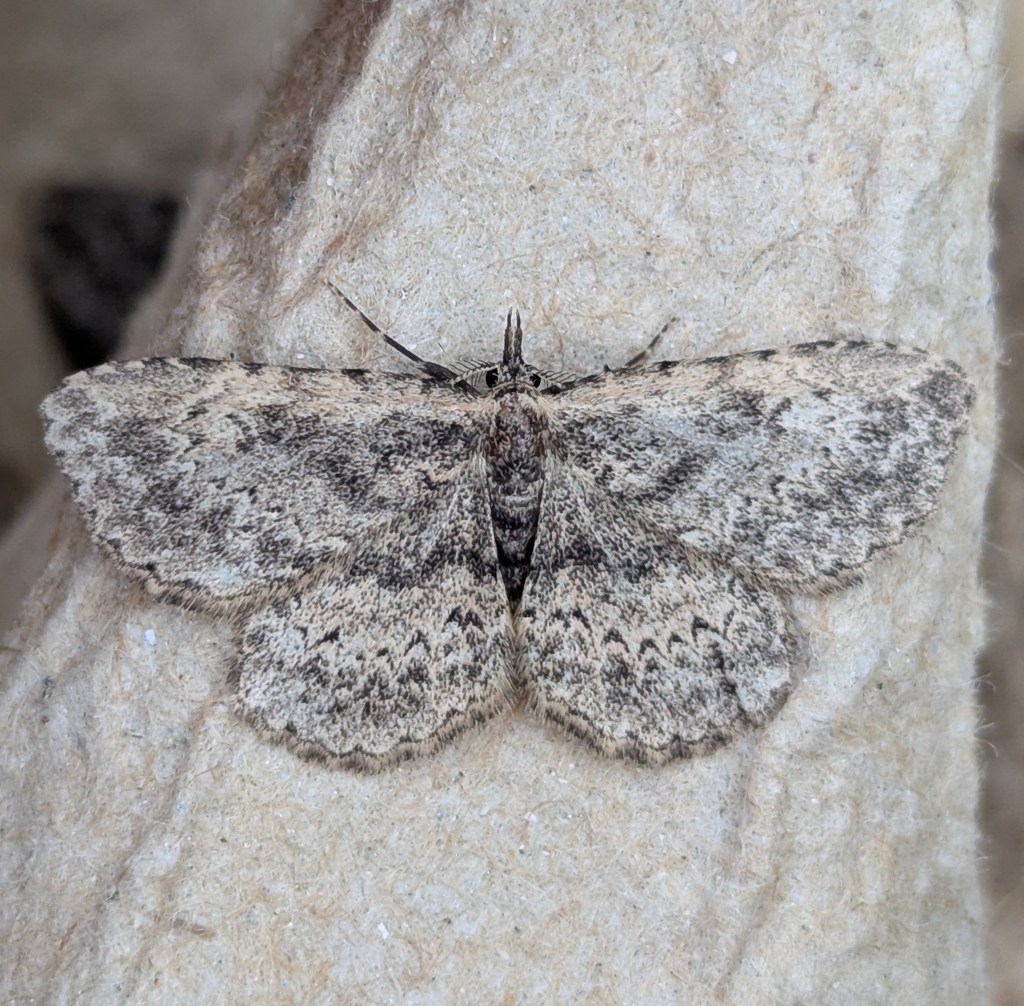
Synanthedon culiciformis (Large red-belted clearwing moth) *
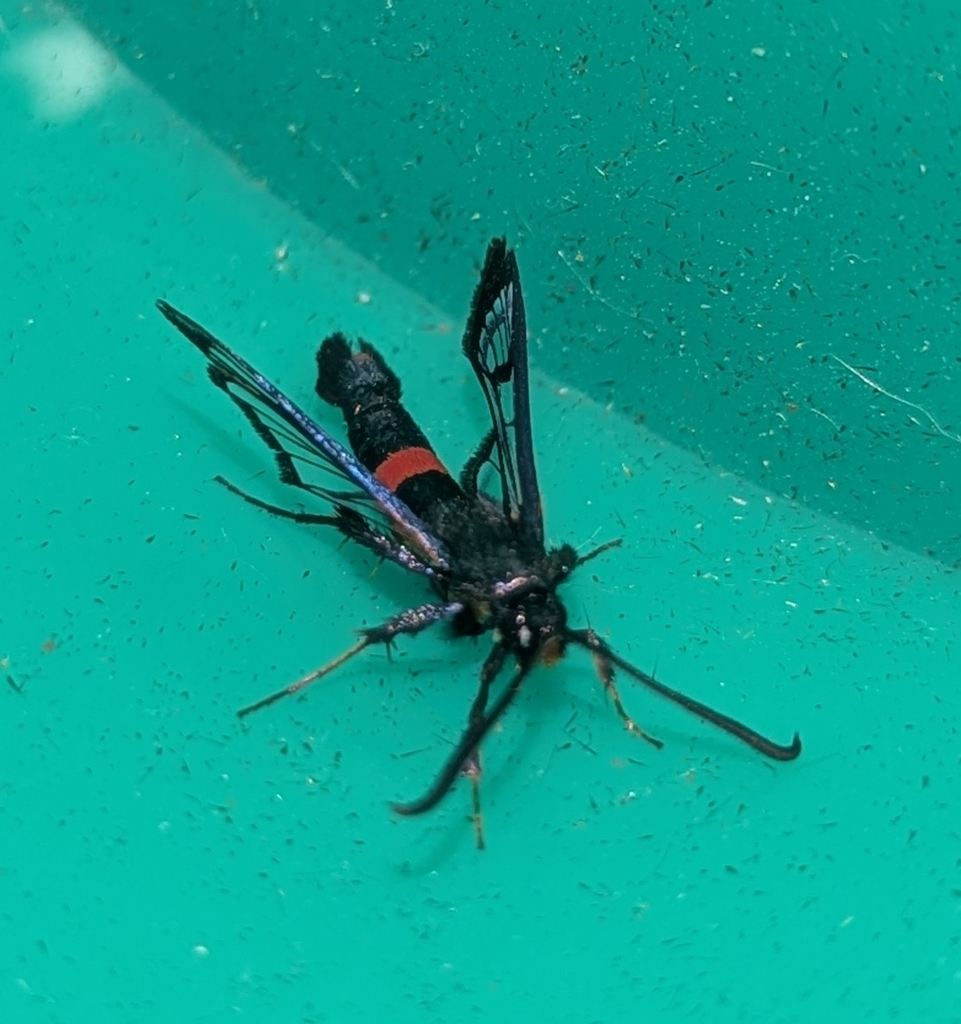
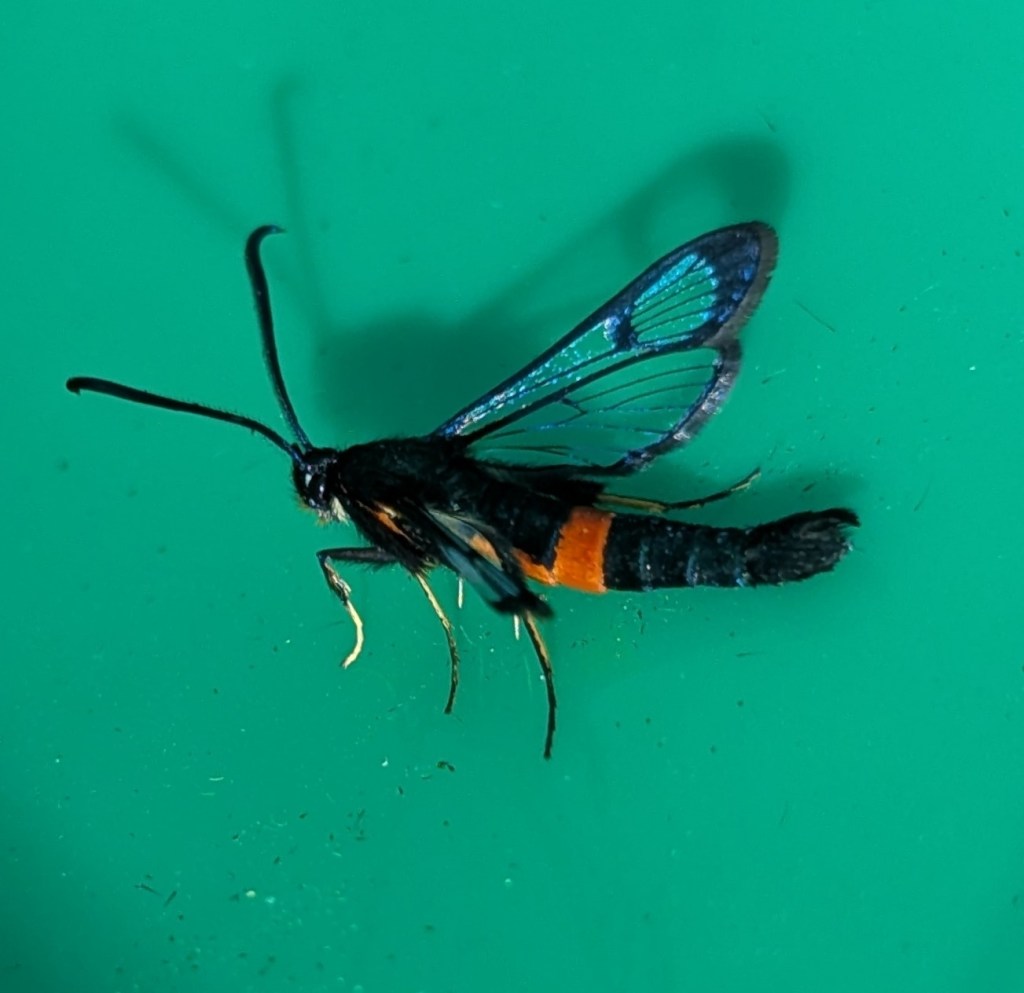
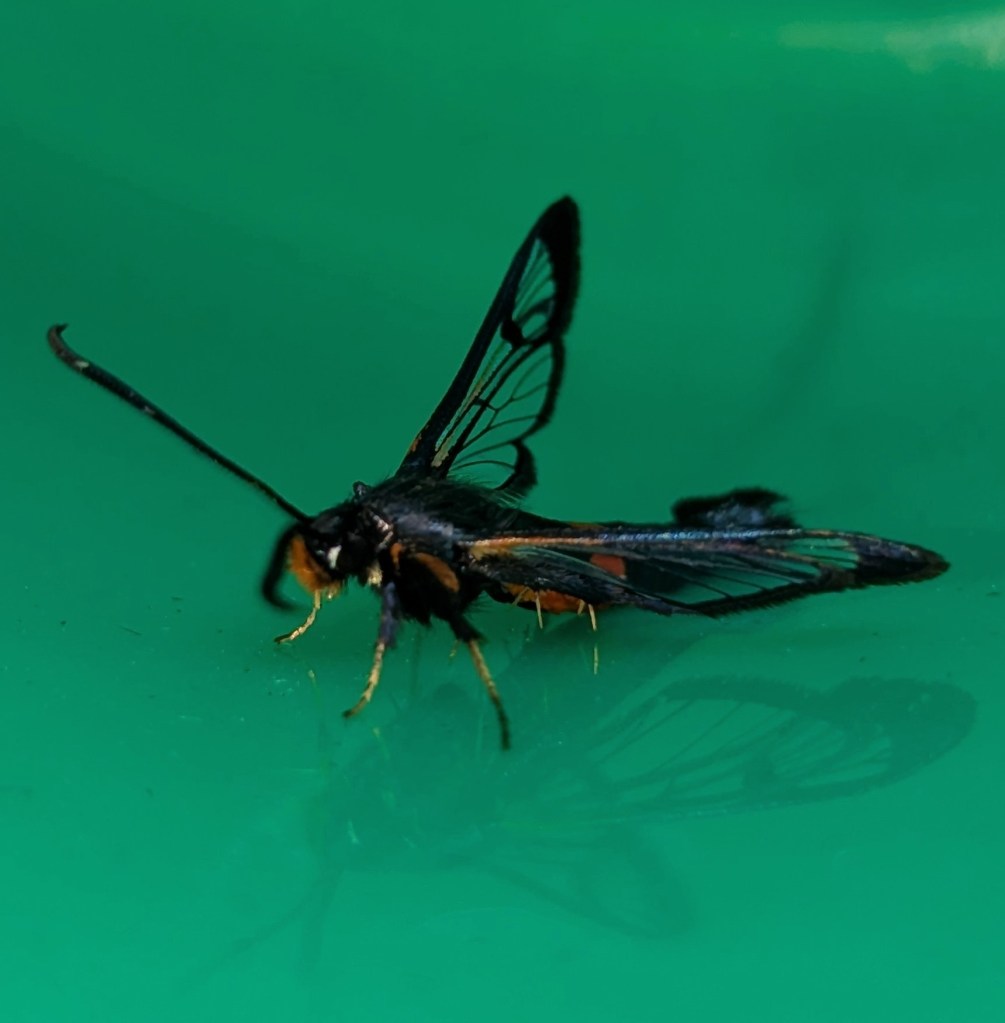
“Large” is clearly relative. The ones I saw struck me as distinctly small so I initially pegged it as the very similar S. myopaeformis. But Dave Holden noted the band of orange-red on the sides of the abdomen (which you can see in the third image) and the time of year the moth was flying – both pointed to this ID. I’d intended to collect one or two but they didn’t stick around beyond a day or two.


Paranthrene robiniae (Western poplar clearwing moth) *
This species was the reason I initially picked up the pheromone traps. I’d seen it reported all over the place and the pheromone’s were supposed to target it specifically. Great to finally see. Very handsome moth.
Hydriomena ruberata (Ruddy highflyer moth) * **
This is another tentative ID (it is a Hydriomena after all, which are notoriously difficult). But the markings do look startlingly close to this species and they’re known from BC. I spotted a number of these in late May in Merritt. I tried uploading a couple of observations to bugguide, but no luck getting it pegged beyond the genus. This may well need dissection.
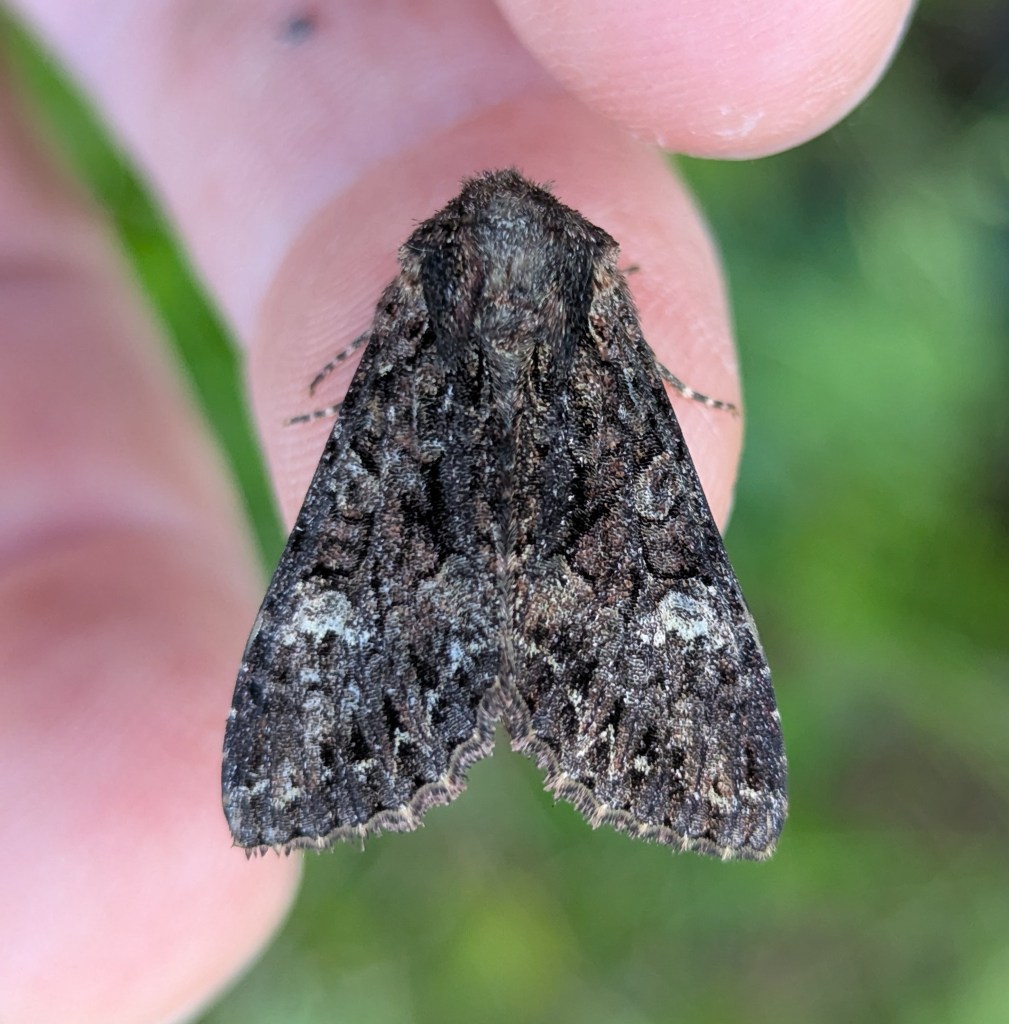
Euxoa quebecensis *
Another interesting one. Euxoa is another large, varied genus so I’ll take this ID to the BC Lep group when we return in the fall. I’m not 100% but it looks right. Handsome species.
Hypagyrtis piniata (Pine measuringworm moth) *
Cool. An unexpected geometer which started showing up late June. There was only one observation on iNat from last year, so I wasn’t expecting it.
Mycterophora inexplicata (Pale-edged Snout moth) *
Beautiful!
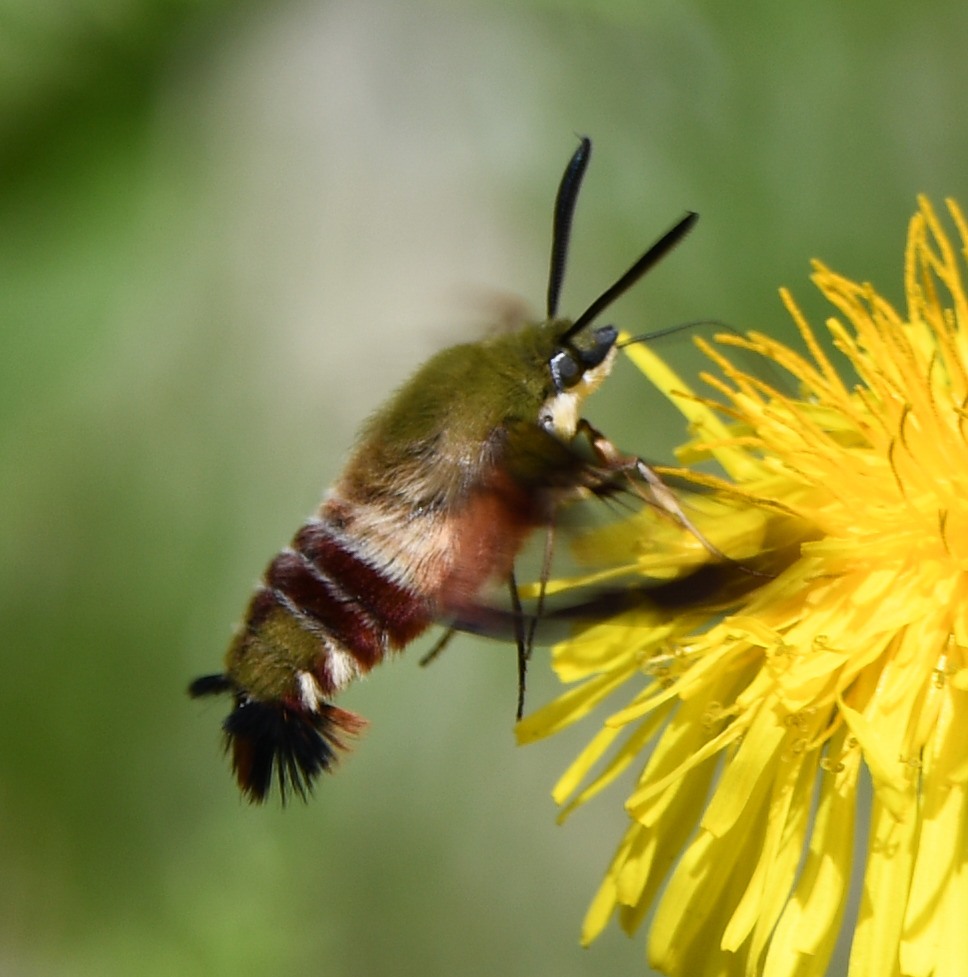
Hemaris thysbe (Hummingbird clearwing) *
This was one of the highlights of the trip. I ran into one on a side road west of Revelstoke and managed to snap a photo from half a mile away using an absurdly long lens I inherited from my dad. That thing’s really come in handy, even if I’m going to have to go to the gym to be able to lift it. A few weeks later I was trying to photograph a boreal chickadee while it popped in an out of it’s nest, but the sheer weight of the thing made it tough to hold up while I waited. But I digress…
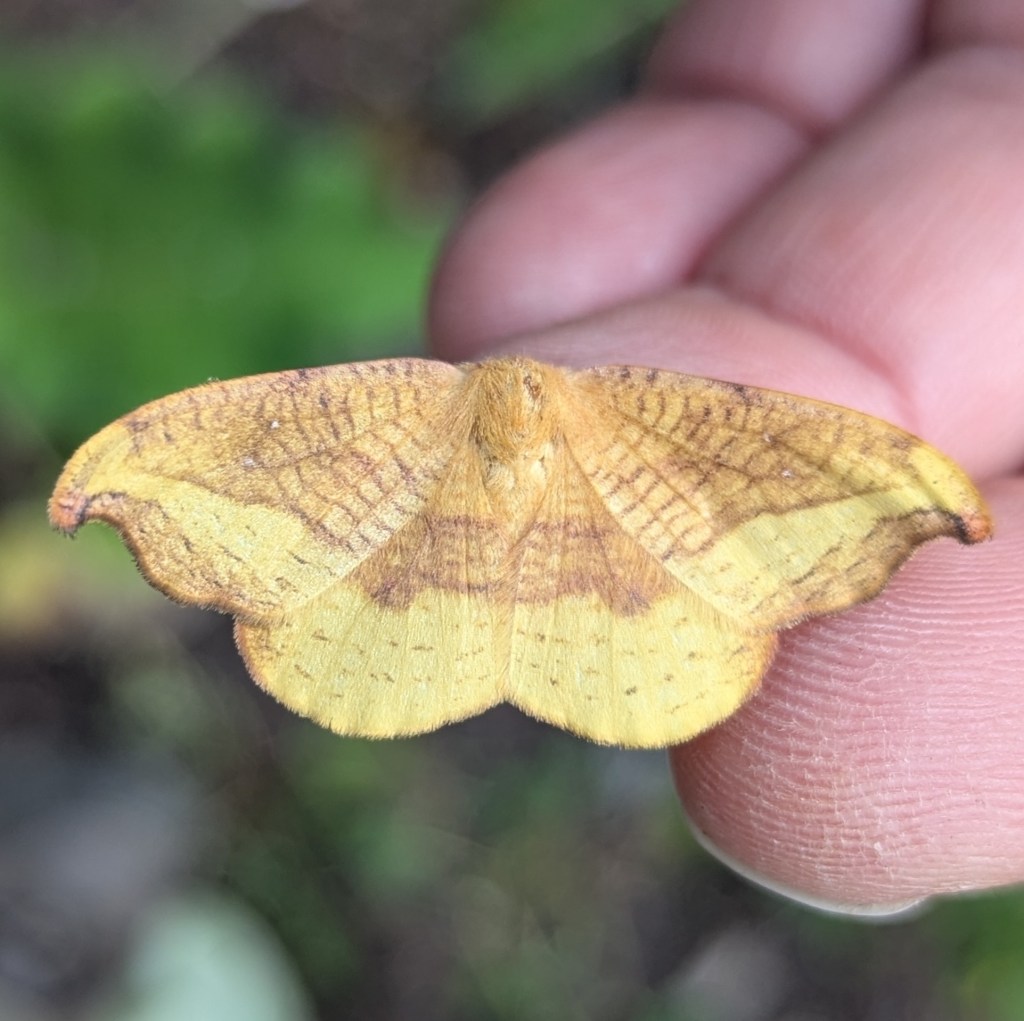
Oreta Rosea (Rose hooktip)
I’ve seen this species before, but only twice. Georgeous and uncommon – and variable.
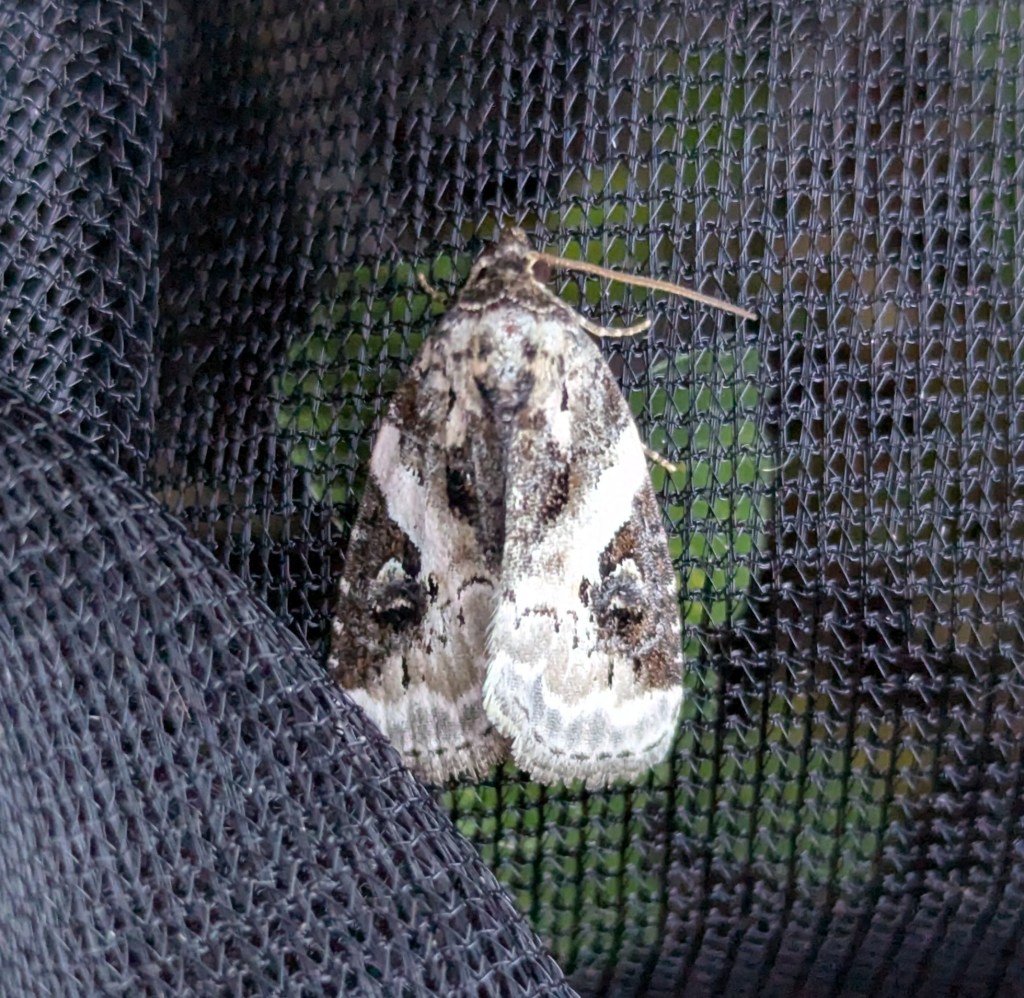
Pseudeustrotia carneola (Pink-barred Pseudeustrotia moth) *
Another small noctuid. This was only the second observation in BC; it’s another predominantly East Coast species.
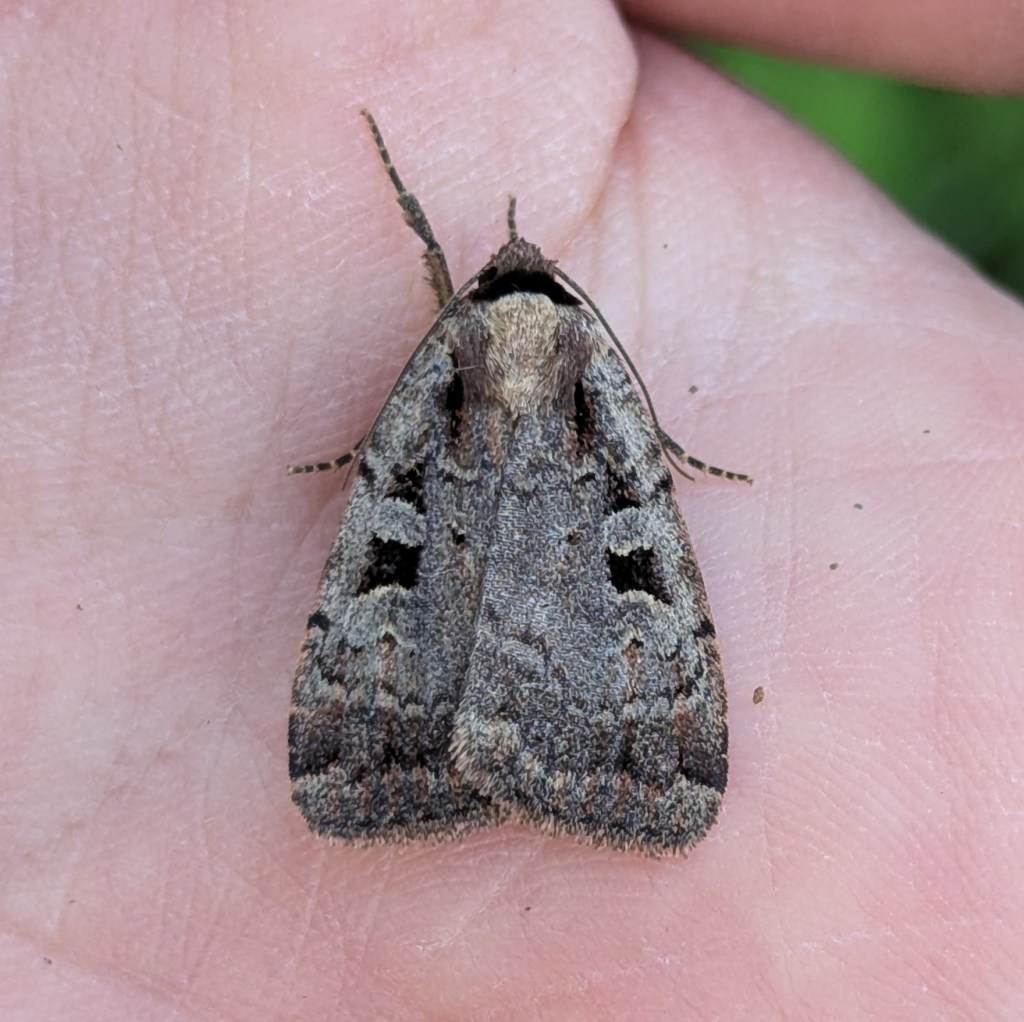
Eueretagrotis perattentus (Two-spotted Dart) *
Neat. Looked rather like a drab Diarsia or something.
Mniotype sp.
Whatever this is, it’ll be a lifer – I’ve never seen a Mniotype before. M. tenera perhaps? I need a little more time to work on this – and failing that, another one to bring to the BC Leps group.
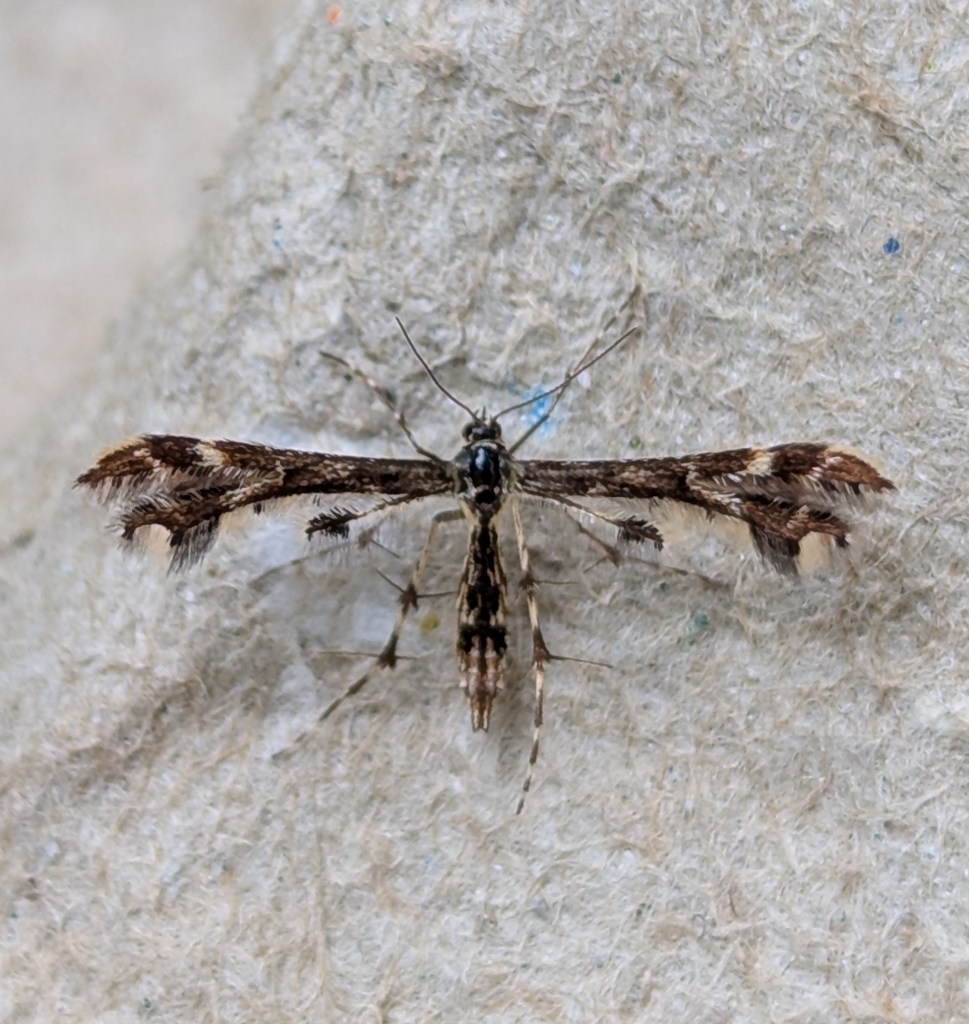
Capperia evansi (Evan’s plume moth) * **
I relied on iNat’s recognition algorithm for this one – it’s gotten extremely good in recent years. This is the only Capperia species in BC, and looks pretty good. Plume moths are tough.
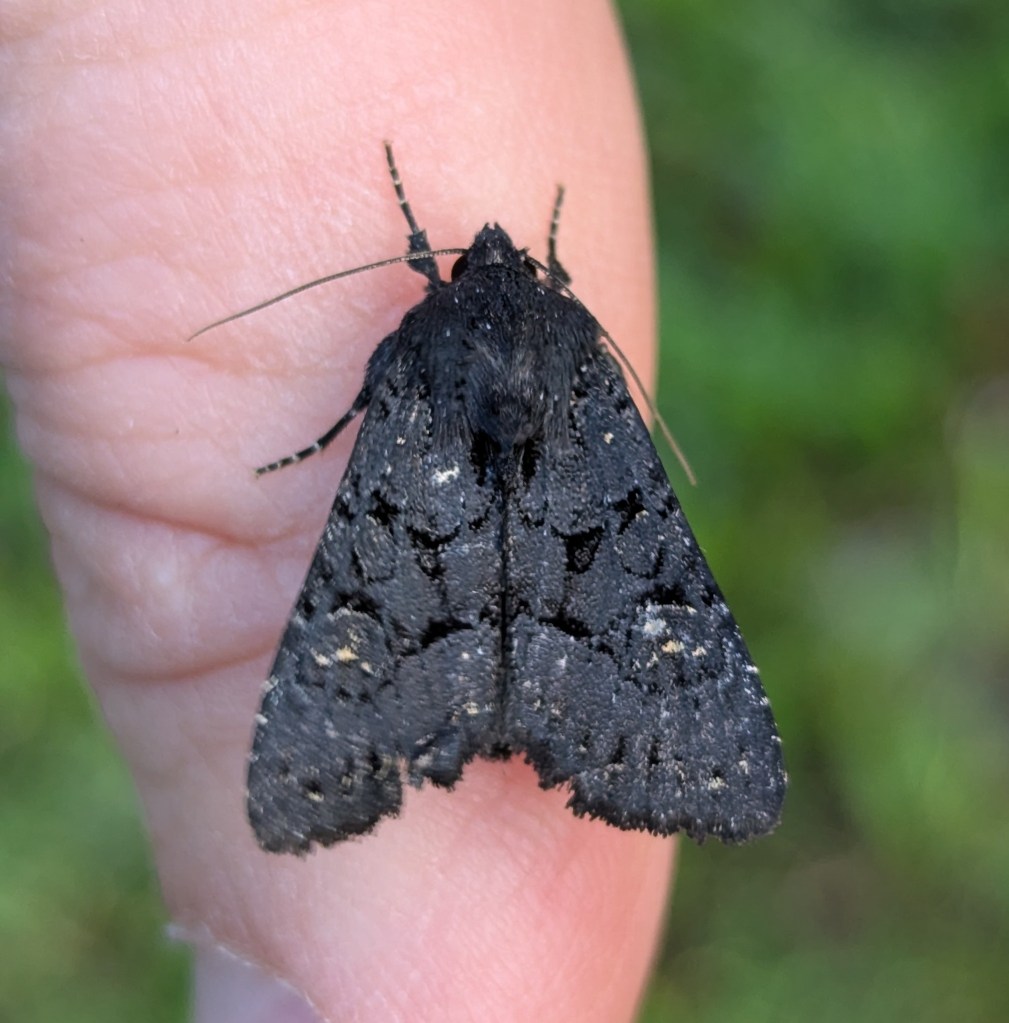

Apamea impulsa
Not a lifer, but only the second time I’ve seen this species – and this time it was an individual in excellent shape. Lovely, unusual moth.
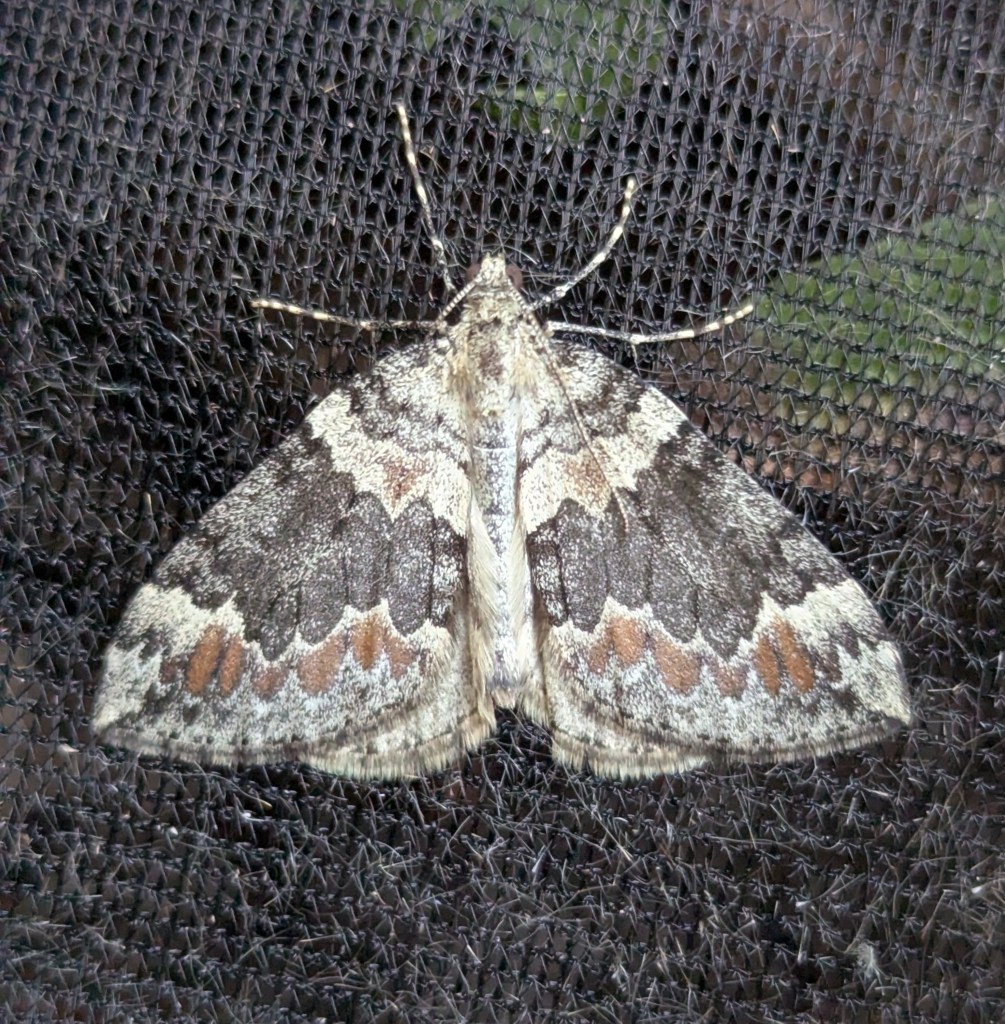
Dysstroma brunneata *
Yeesh. Dysstroma. Might as well be a Hydriomena – they can be equally hard to tell apart. Tentative ID – I have to sound out bugguide on this one. But again, looks right.
Prionoxystus robiniae (Carpenterworm moth) *
This one really caught me off guard – I didn’t know it at all. It bore a startling resemblance to Acossus, but it was almost Hemiptera-like in the wing patterns, like it wasn’t a moth at all.
 BC Moths