
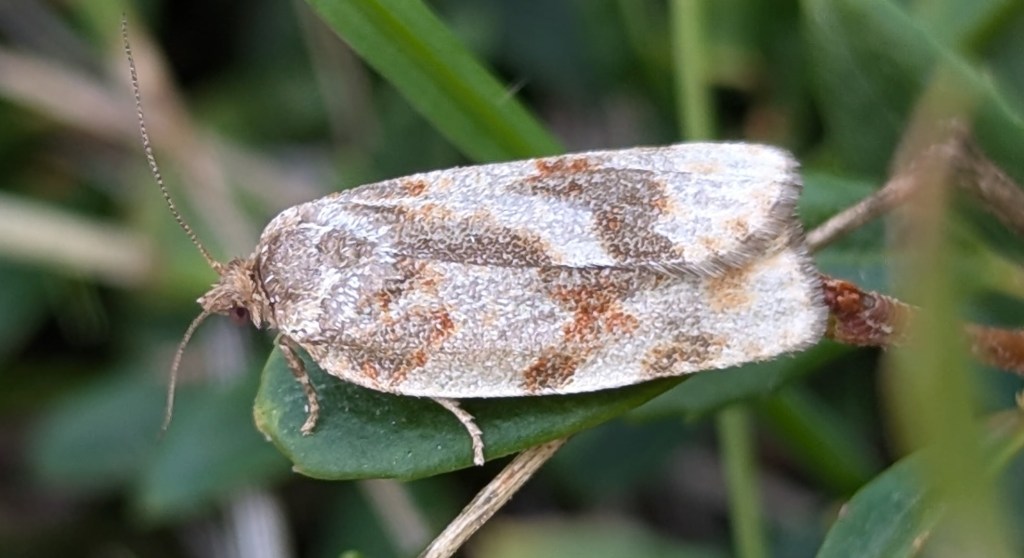
I’ve passed through Princeton dozens of times en route to the Okanagan but never spent any time there. If I could tally up all my time in the town, 95% of it would be in Thomasina’s café and the A&W drive-through. The remaining 5% would be whizzing by in the car.
So I finally took the plunge and spent the Labour Day long weekend there, exploring the area and setting up nets. A key purposes of the trip was to visit nearby Keremeos to go find an Apodemia mormo (Mormon Metalmark) which should be flying around this time. So let’s start there.
Mormon Metalmark
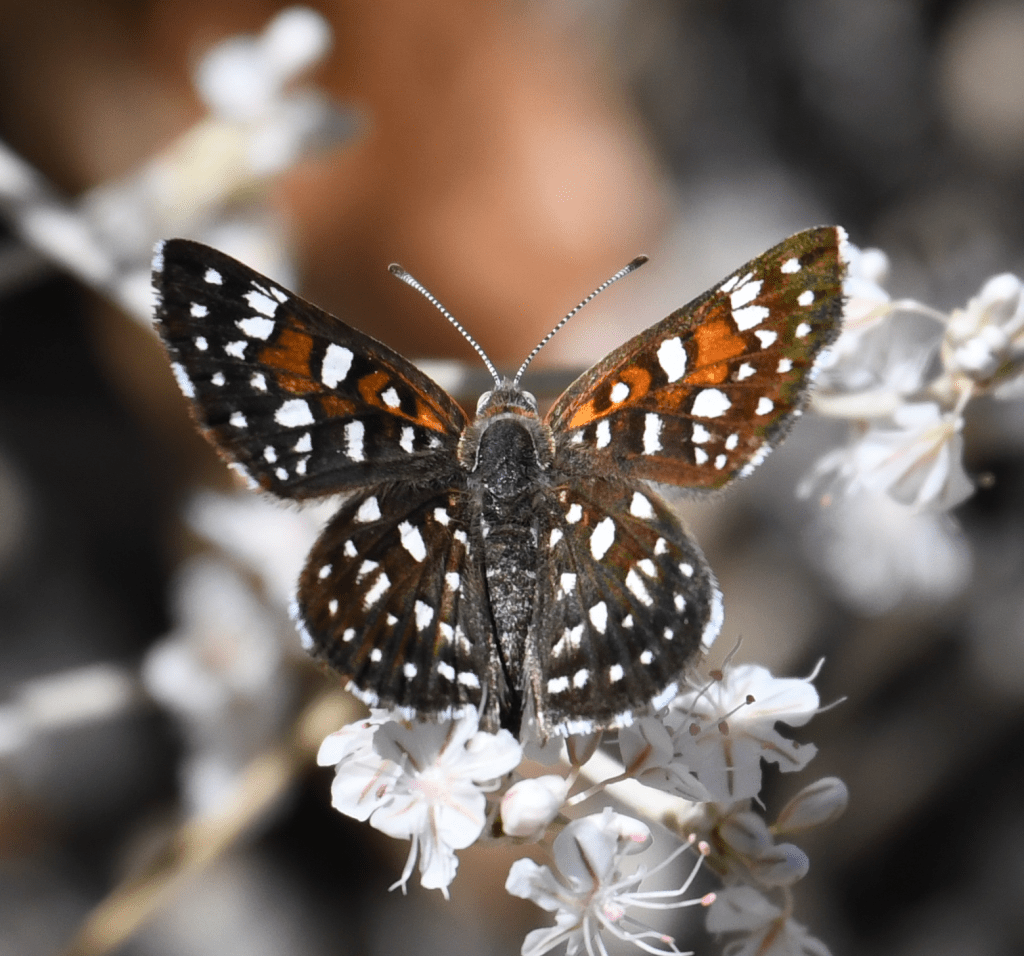
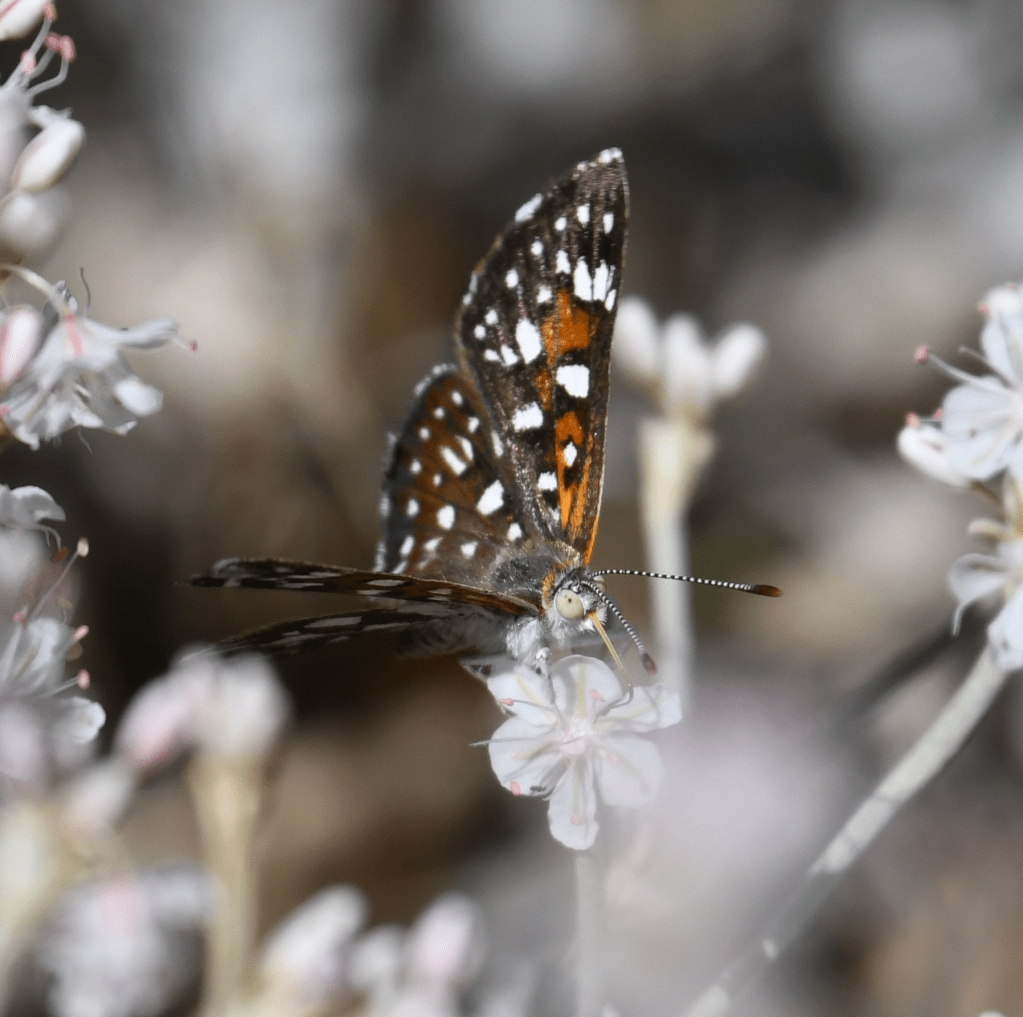
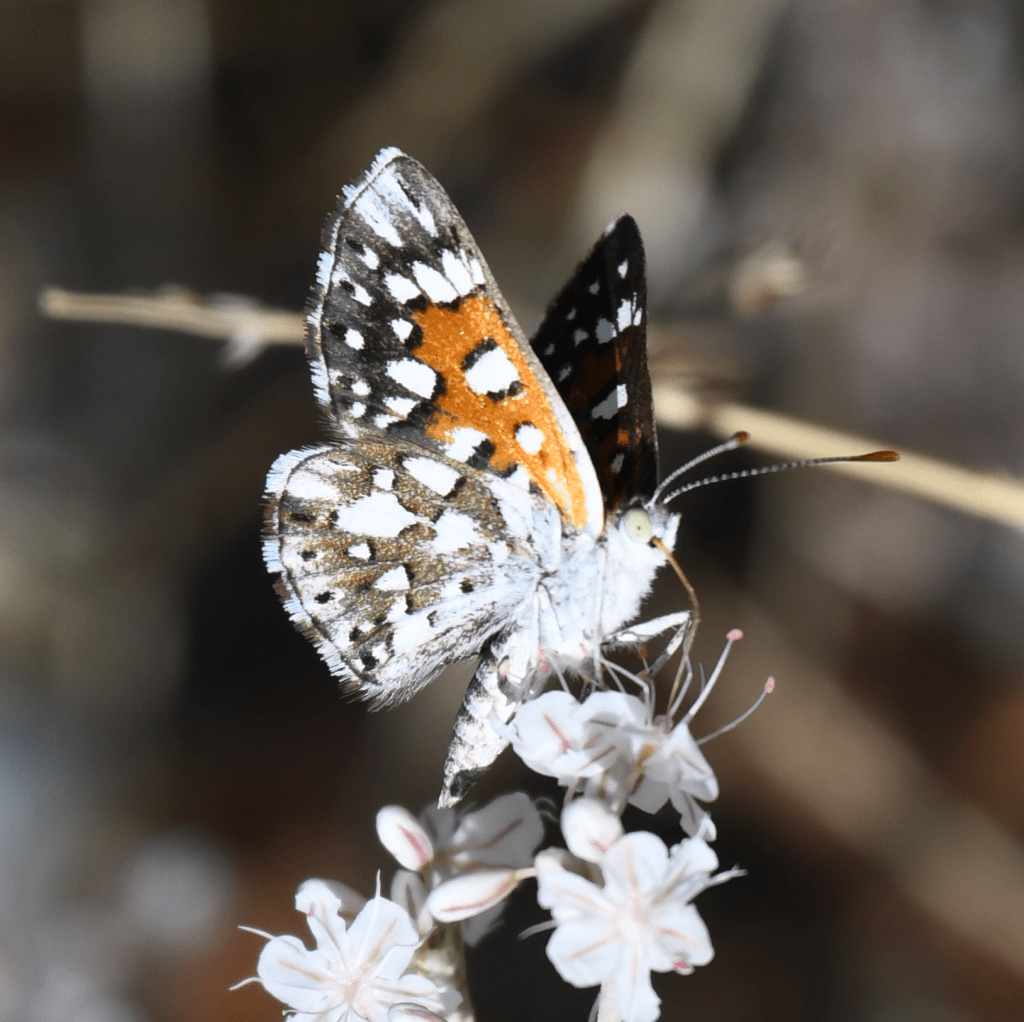
It took an hour and a half, but I found a single individual shown above. Beautiful butterfly – it’s the sole representative of the Riodinidae family in Canada. The most recent COSEWIC report on the species from 2014 lists the BC population of Mormon Metalmark as endangered, but it’s actually very common in North America: southern Canada just happens to be the very northern tip of its range. We have two populations of the species in Canada: one in the prairies and one in BC.
Oh, and as a bonus, while I was looking for the metalmark I also saw a Burnsius communis (Common Checkered-Skipper): 2 butterfly lifers in the span of a morning. Not half bad!
Now back to moths.
Summary
The bulk of my time that weekend was spent around Princeton. The first night I set up light traps 20 minutes southwest of the town near Whipsaw Creek Ecological Reserve on some logging roads; the remaining 2 nights I set them up south of Princeton in an area called Allenby. Pretty spot. The second location was more successful, but both locations were absolutely infested with Choristoneura. The nets were overwhelmed each morning.
Highlights
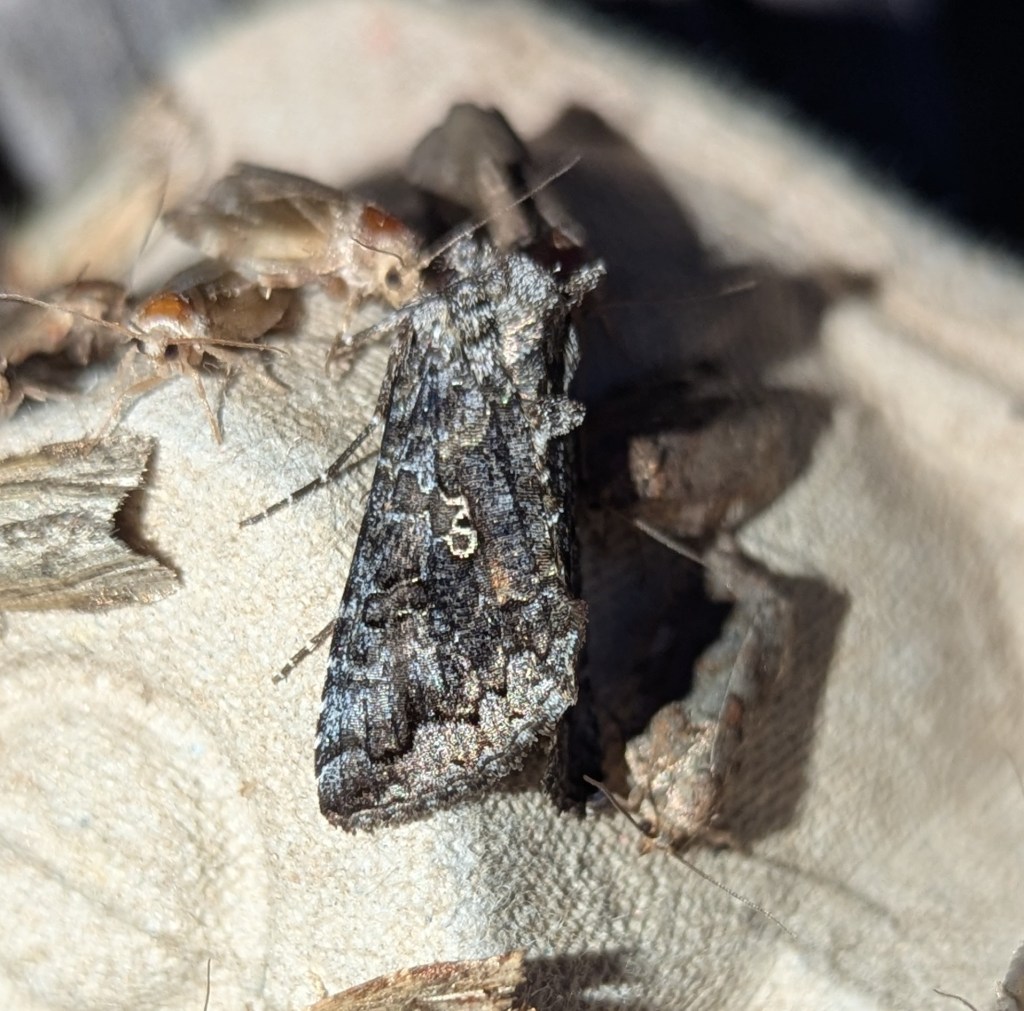
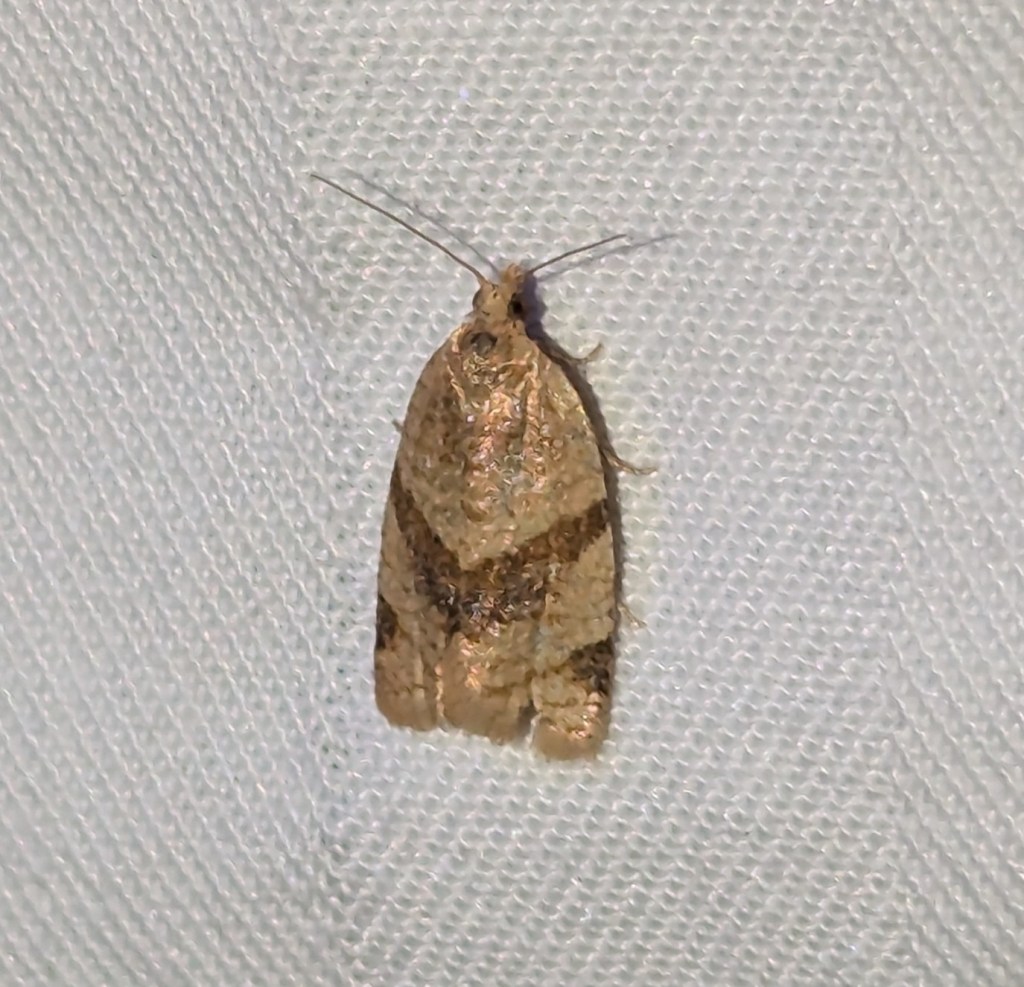
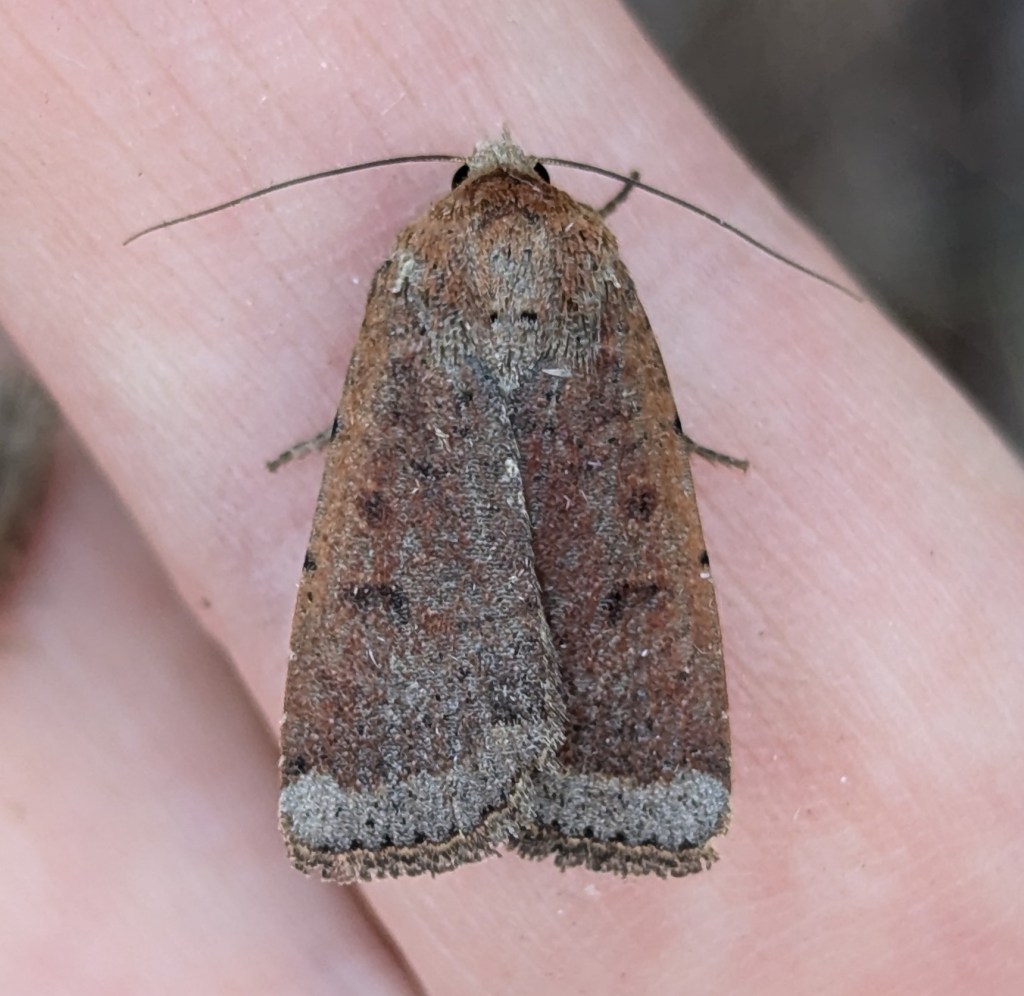
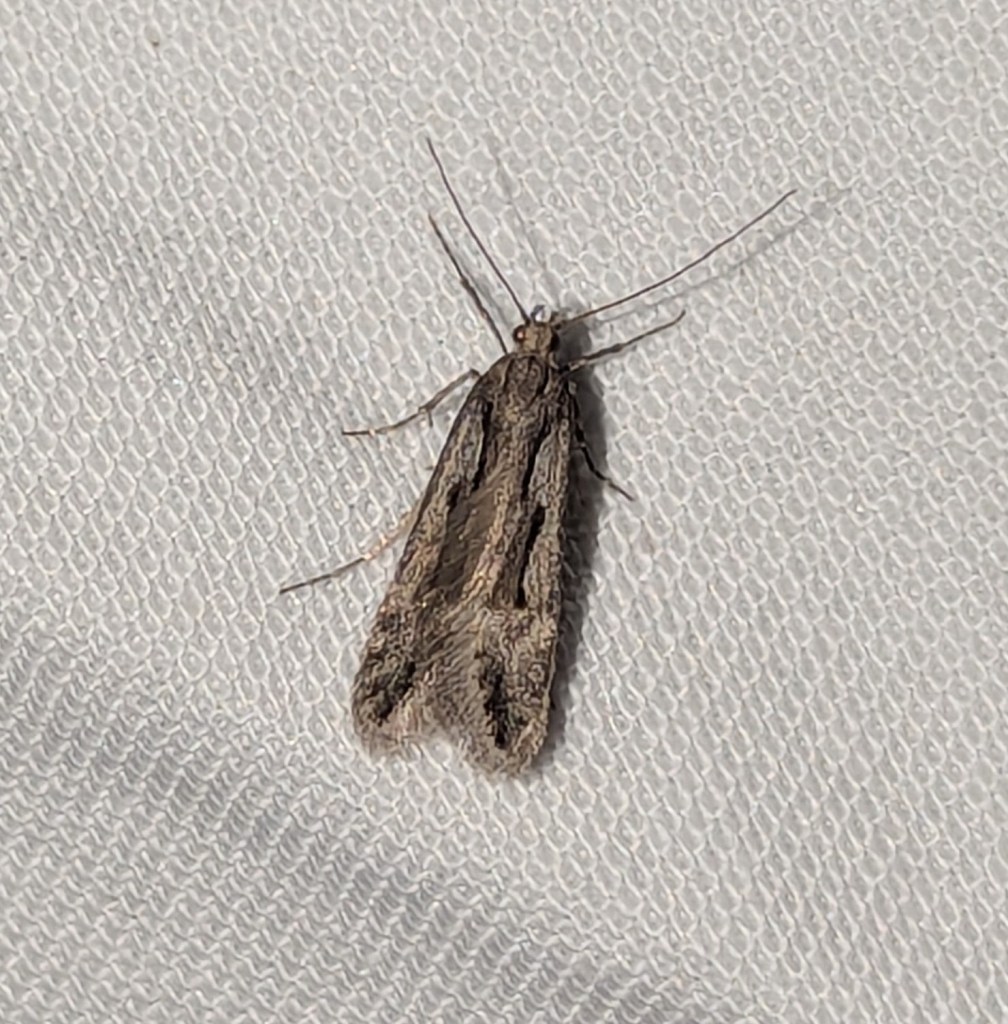

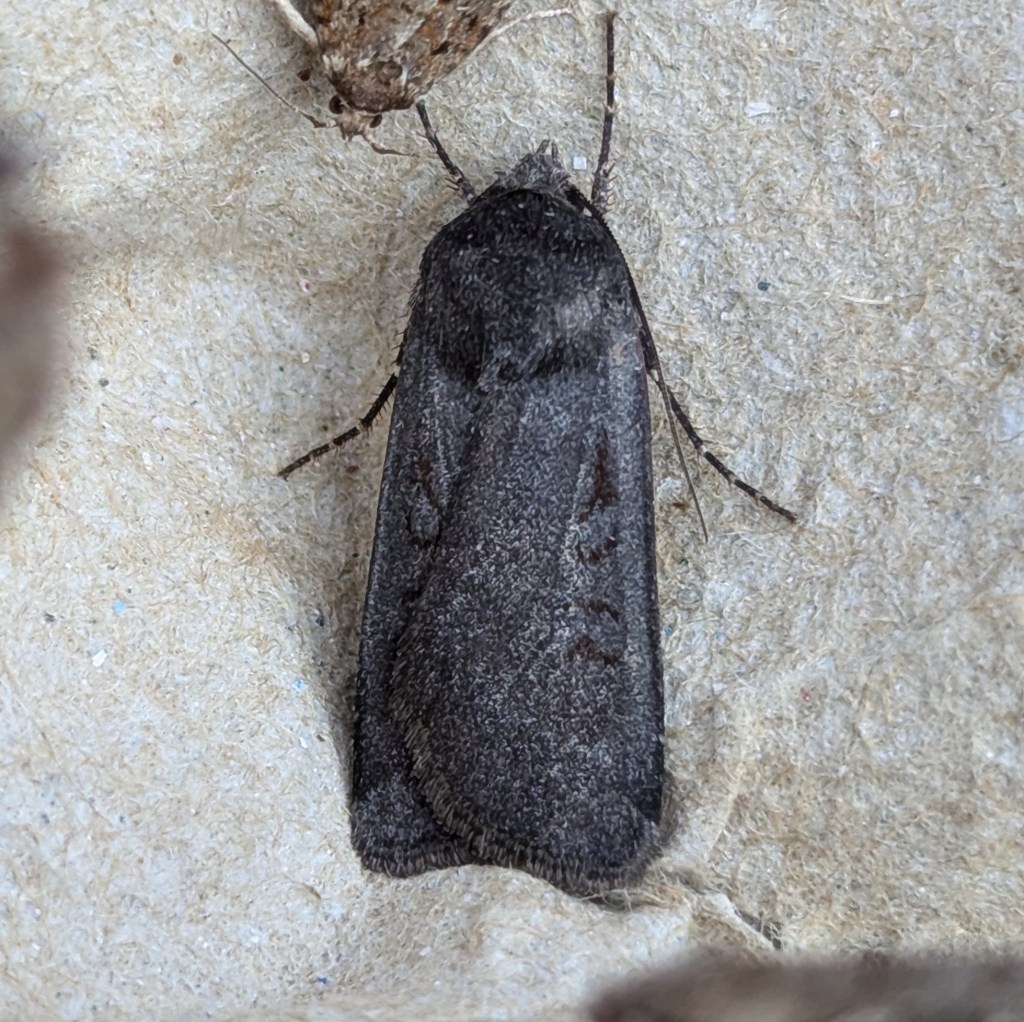
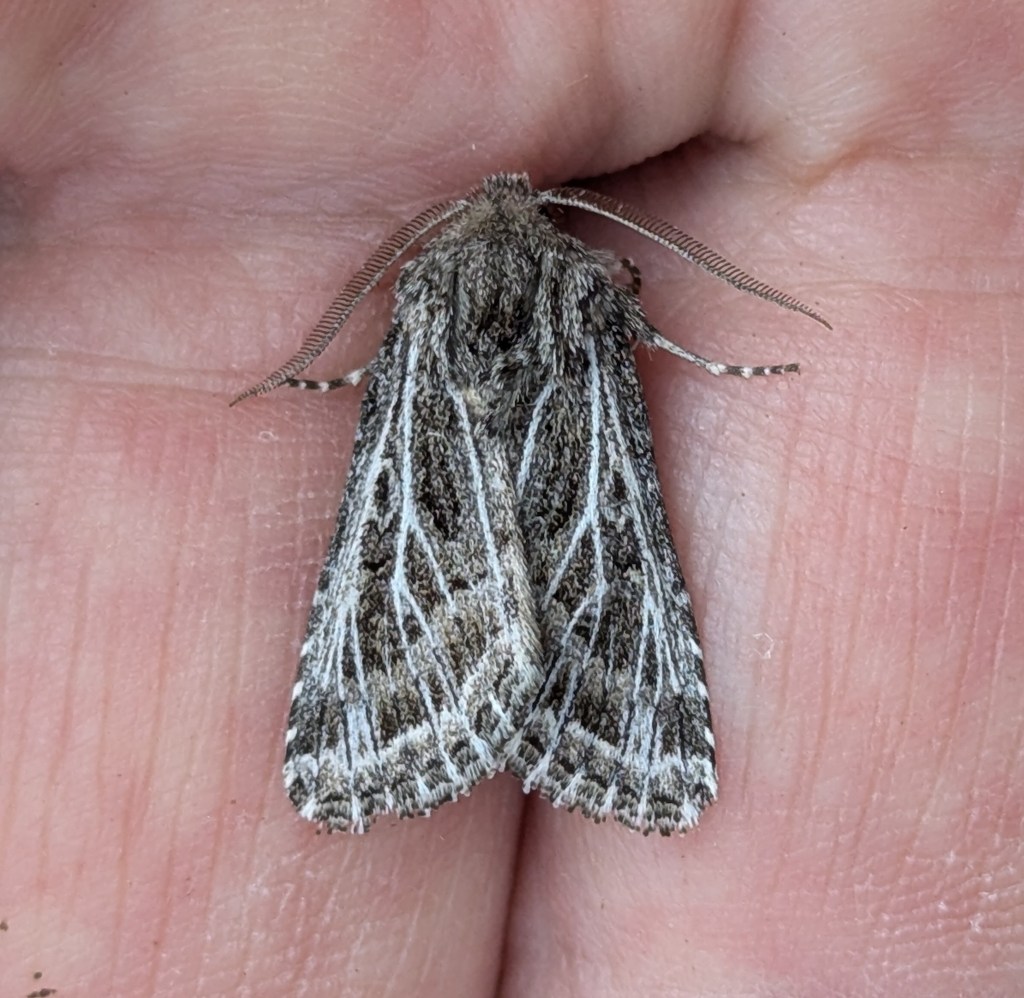
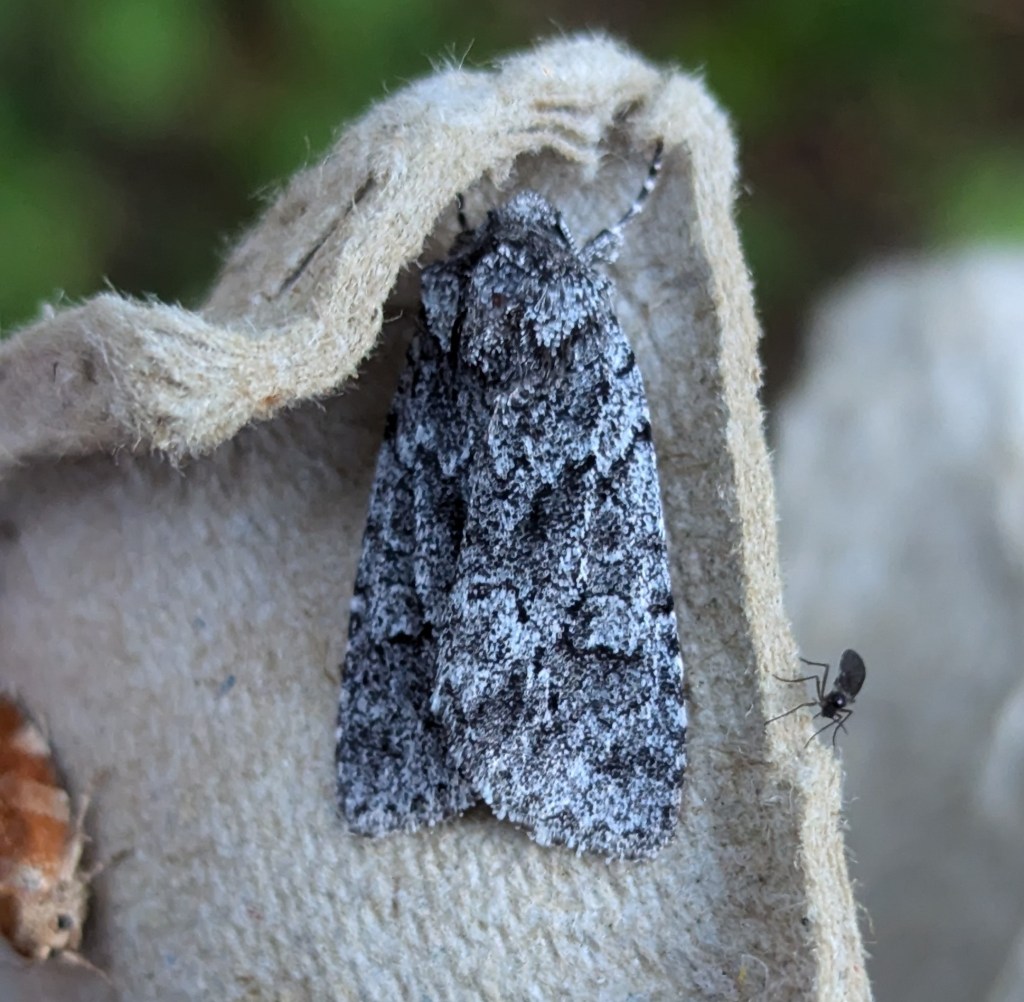
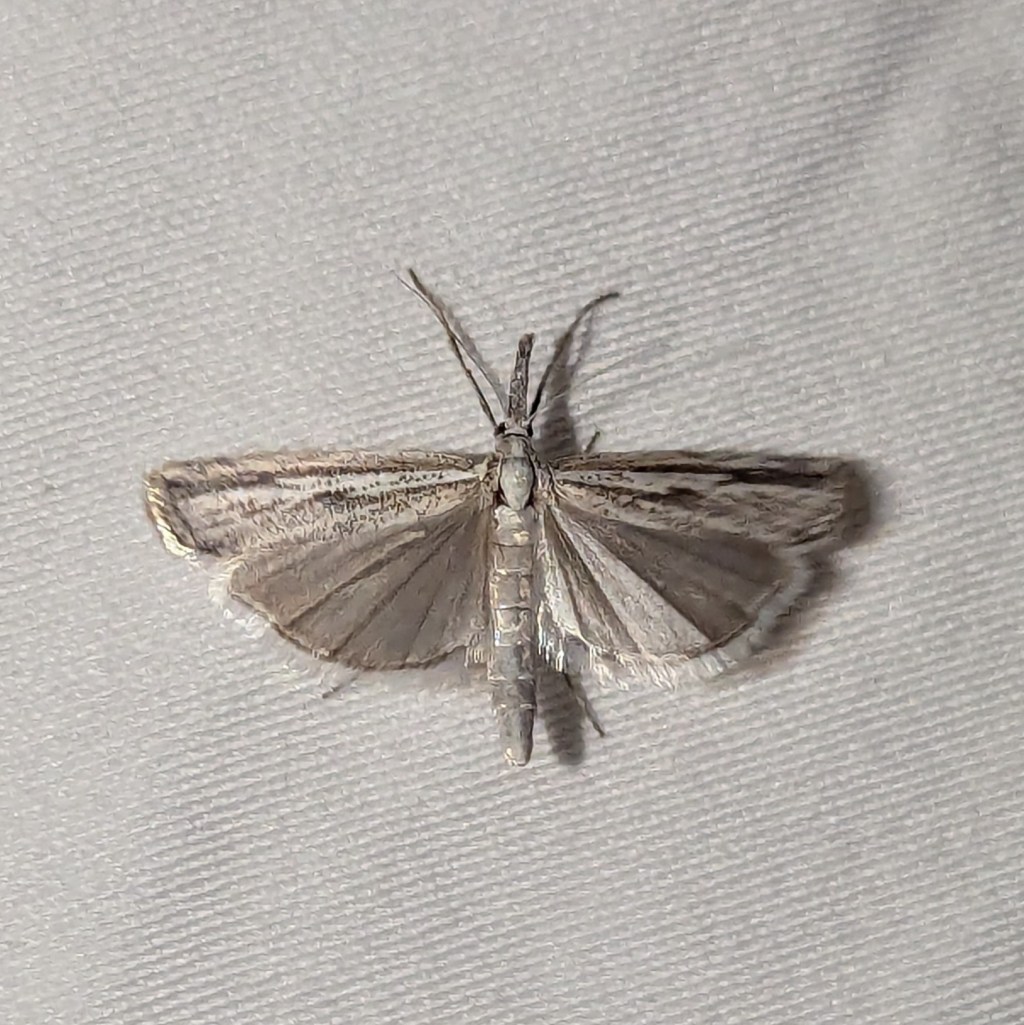
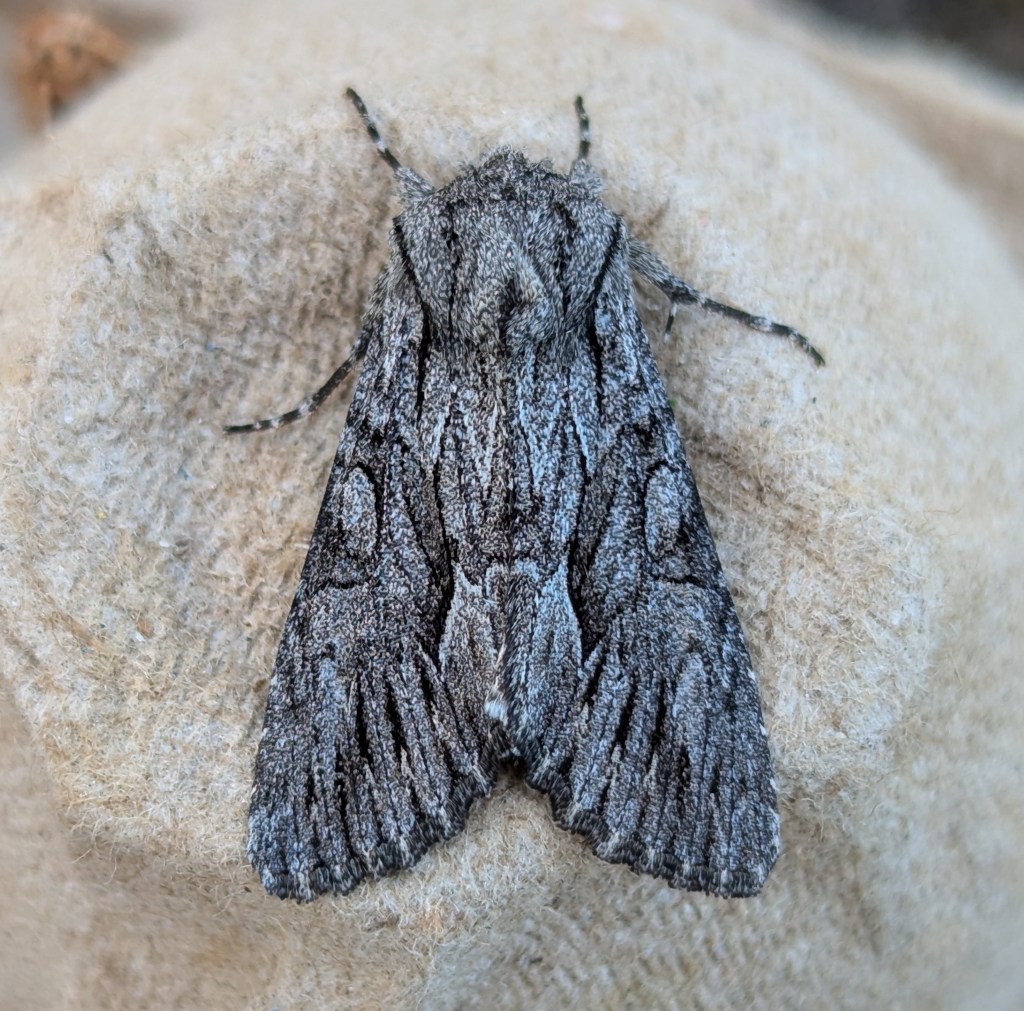
All of the following were lifers, so naturally they belong at the top of the list.
- Tholera americana
- Epinotia arctostaphylana
- Sympistis anweileri
- Euxoa perpolita
- Fishia yosemitae
- Prolita variabilis
- Syngrapha octoscripta
- Clepsis penetralis
- Abagrotis nefascia
- Thaumatopsis repandus (ID’d by Dave Holden)
I haven’t had many confirmed yet, so I’ll update this in the event of a mid-ID.
There were a few other non-lifer highlights.
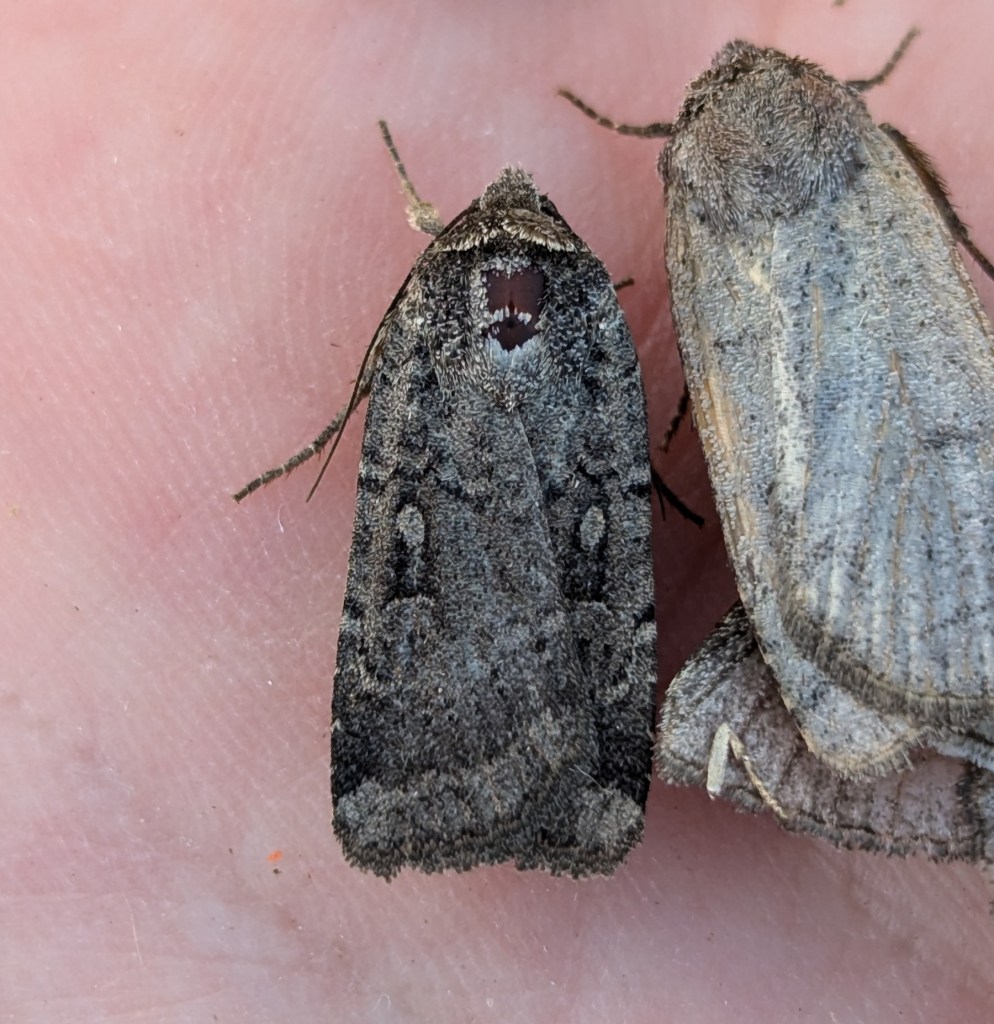
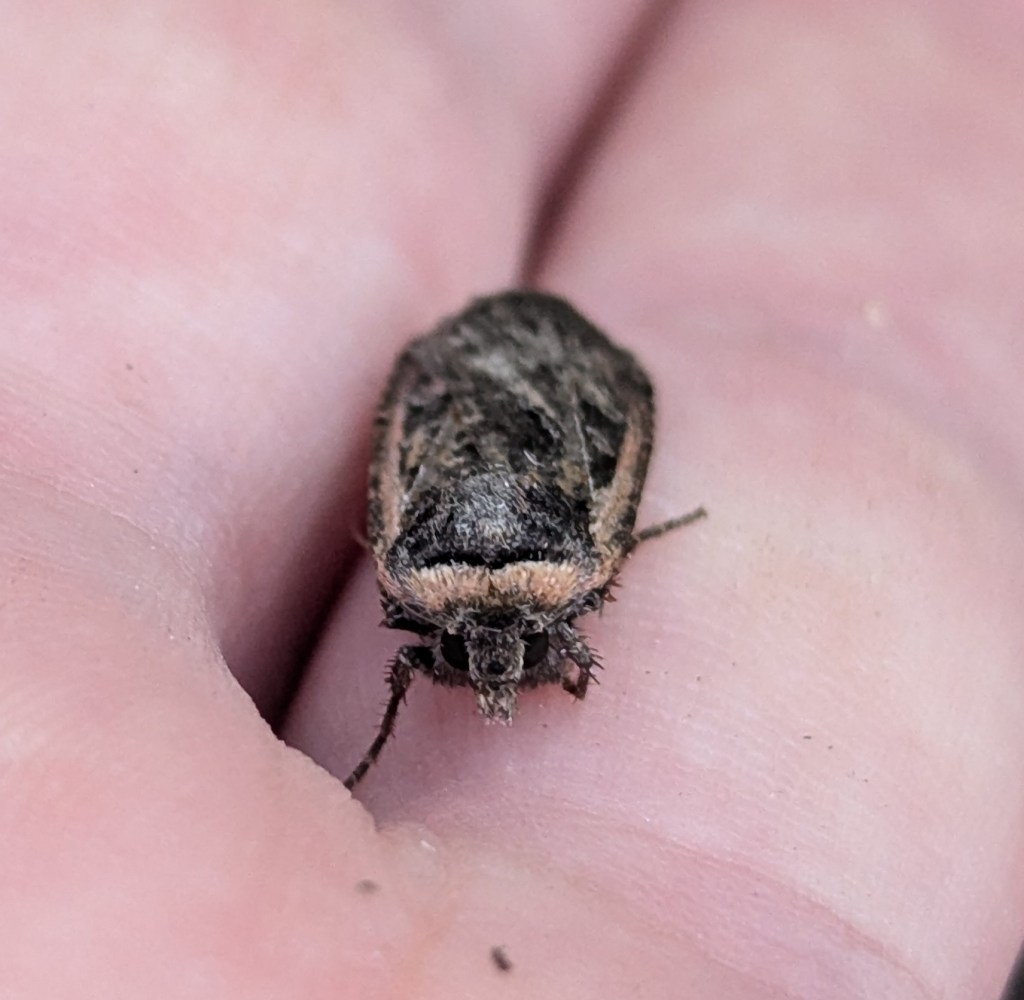
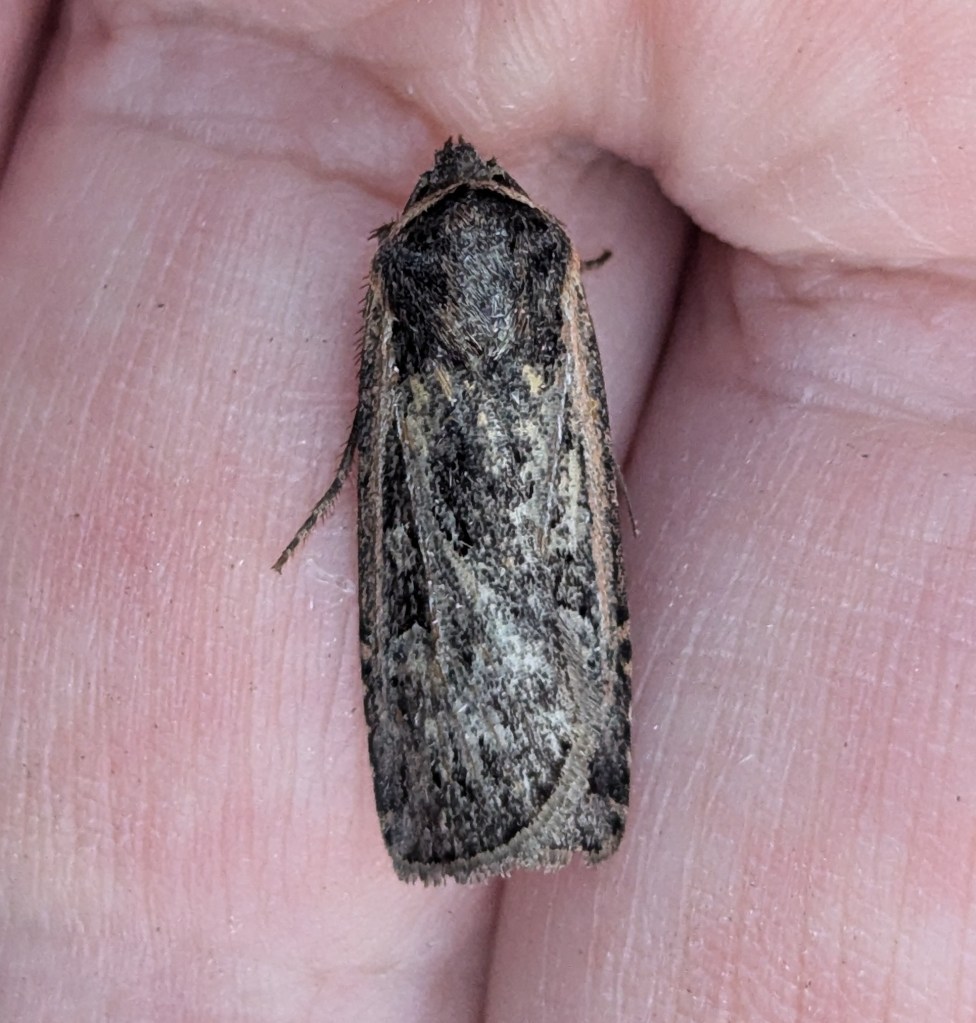
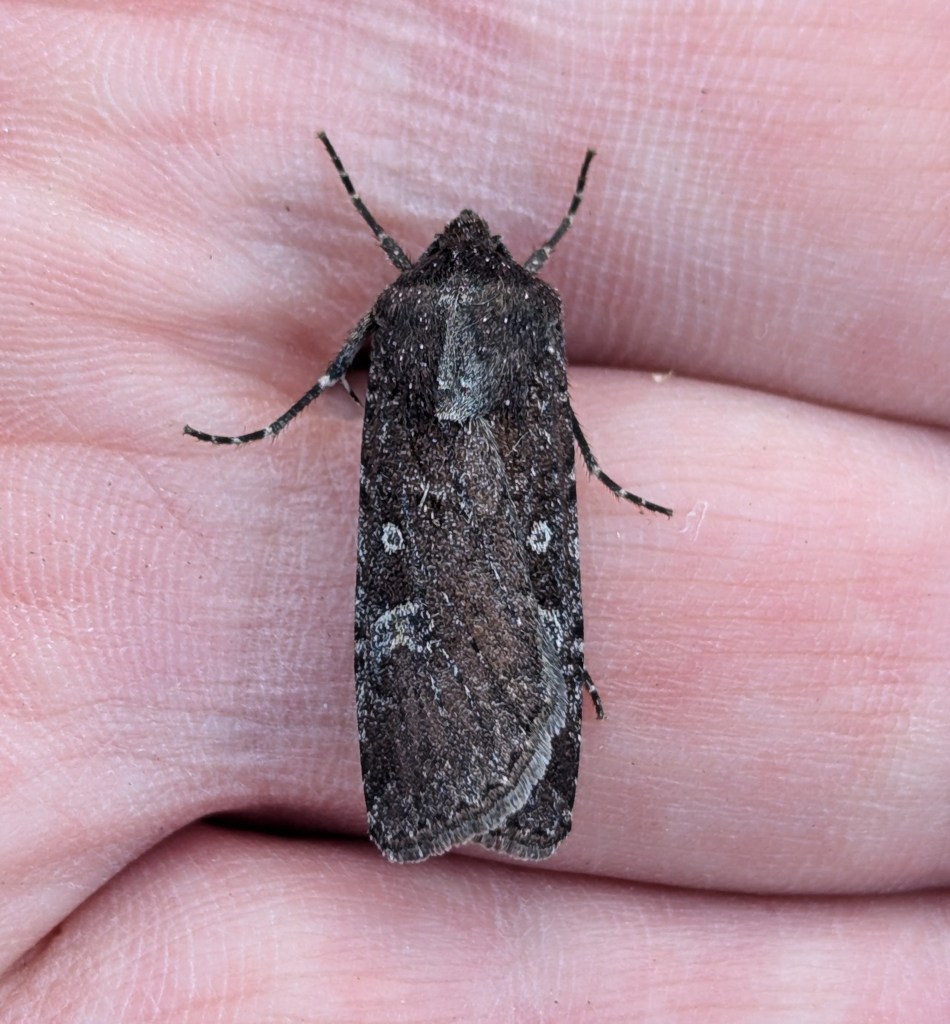
- Euxoa duanca (Dark dart).
- So far I’m the only person the province to report this species on iNat. They’re not common, but quite distinctive. I was particularly pleased with the first individual shown above. That had more pronounced markings than I’d seen before, but I think the ID is still correct.
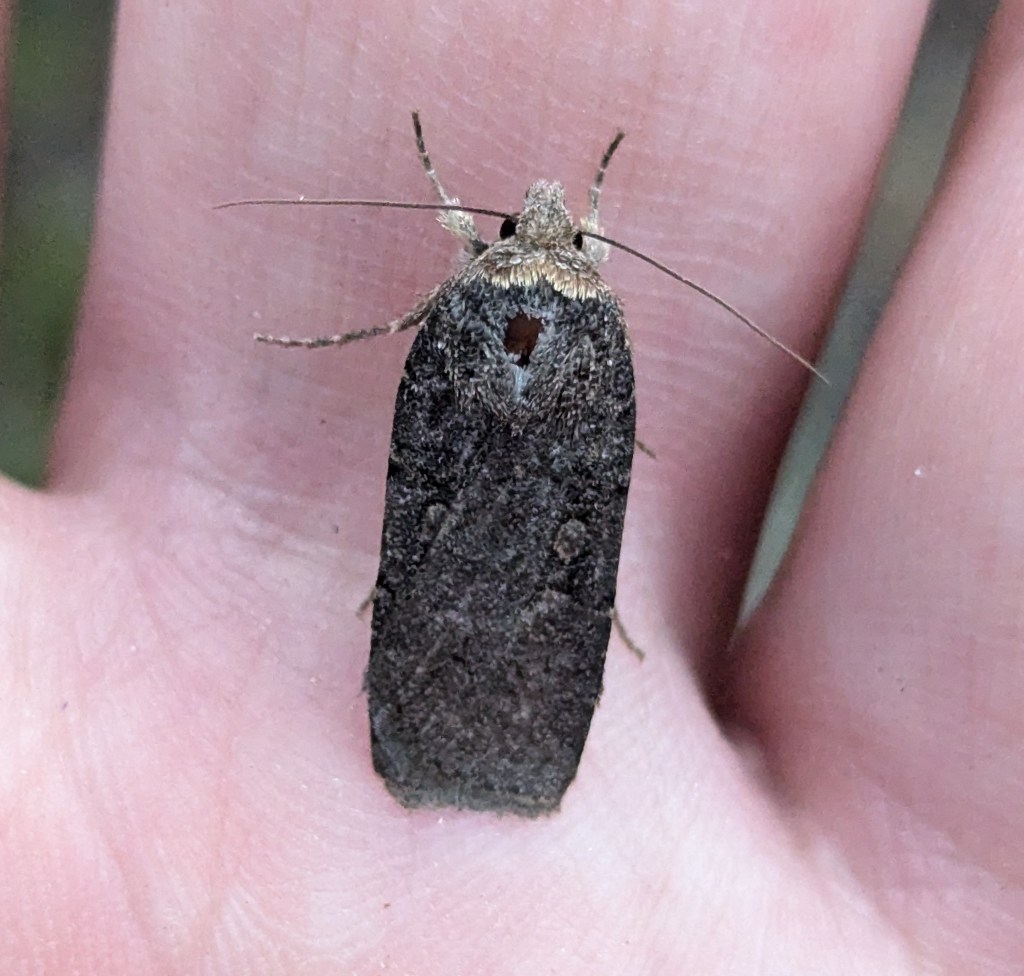
- Parabagrotis formalis
- Really a very beautiful moth. I saw 3 on this trip, all identical – and agitated! This was the only decent shot of the species I got; they all flew off at the drop of a hat.
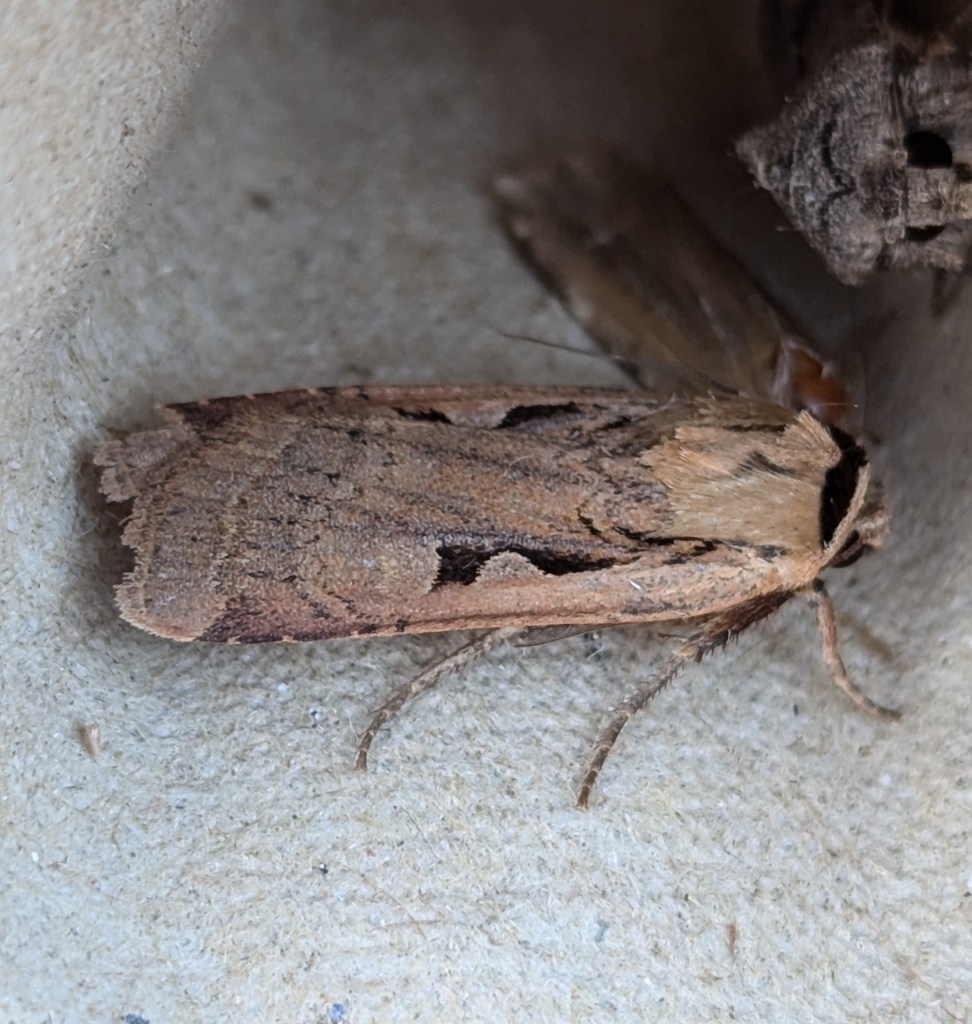
- Euxoa flavicollis
- I was about to write off this individual as another unknown Euxoa when I noticed the bright yellow collar. Very distinctive! Great to see this again. Last year I saw one up in Merritt which was in perfect condition.
- Euxoa ochrogaster
- I’d love to get this one confirmed, it was such an attractive individual. I believe I’ve seen it on several other occasions, but the wine-red colouration of this individual stood out.
Countering the Choristoneura?
Interestingly, I did an experiment on the last night and set up one light trap far away from any tree in a very open spot. Usually I avoid doing this: having trees nearby to reflect light and offer a place to land seems to improve the catch. But my usual approach wasn’t working due to the overwhelming number of Choristoneura. My nets were consistently full, so I thought I’d try a different tack.
It turns out this worked well. I’d estimate there were 2/3 the number of Choristoneura in that one net, with a far higher proportion of other species. Possibly the placement of the net wasn’t the cause, but I’ll certainly try this strategy again the next time I set up traps during an outbreak.
 BC Moths