
As per my last post, I spent June in Creston BC looking for new leps. During that time I saw four new potential candidates for the BC Checklist. Some were far, far out of range, but were pretty distinctive and I’m cautiously optimistic they can be ID’d by photo alone. We’ll see!
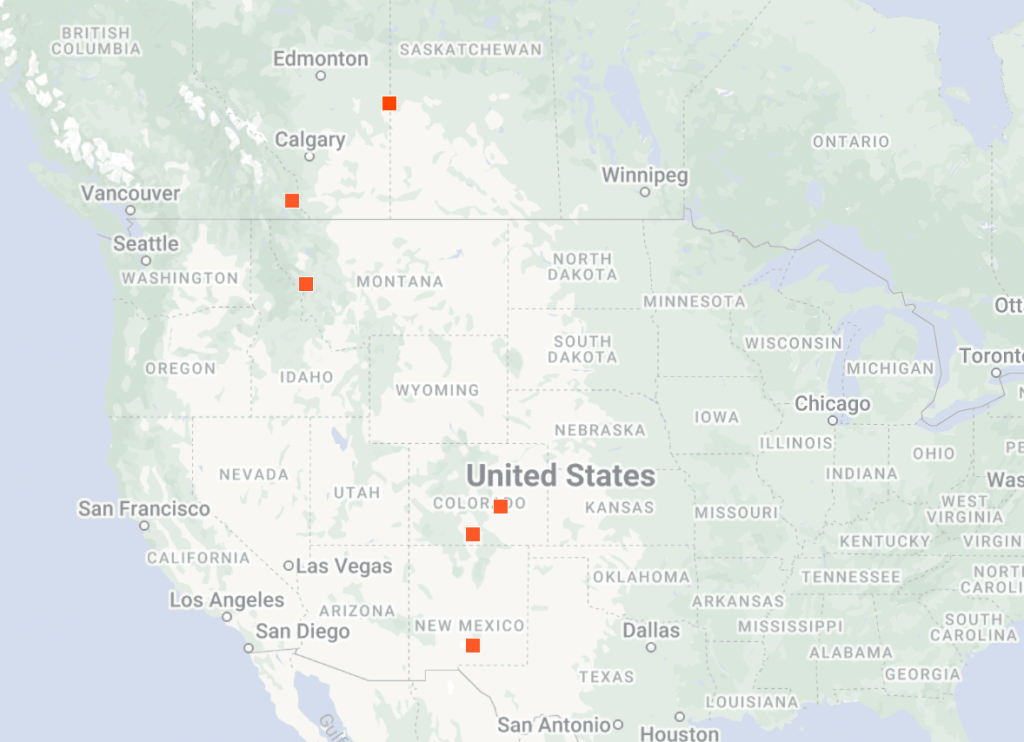
I’ll include the reported range maps (iNat) for each one.
1. Ethmia albicostella
I’m fond of the Ethmia’s – they’re good-sized, chunky moths in the Depresseriidae family. See my post here for our BC species. There are 52 known species north of Mexico.
Initially I thought this was Ethmia mirusella, but while researching this post I decided the markings on the side look closer to E. albicostella which is known from the same mountain range in Montana.
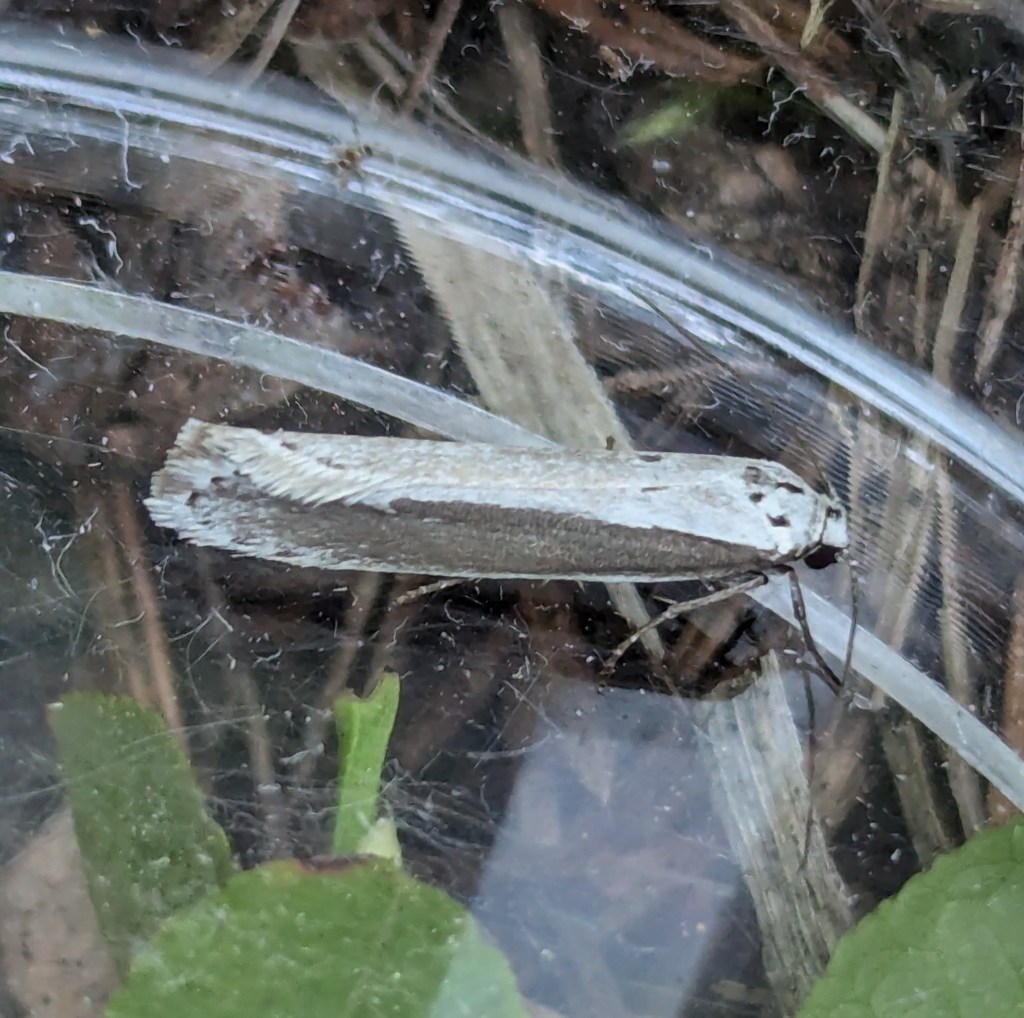
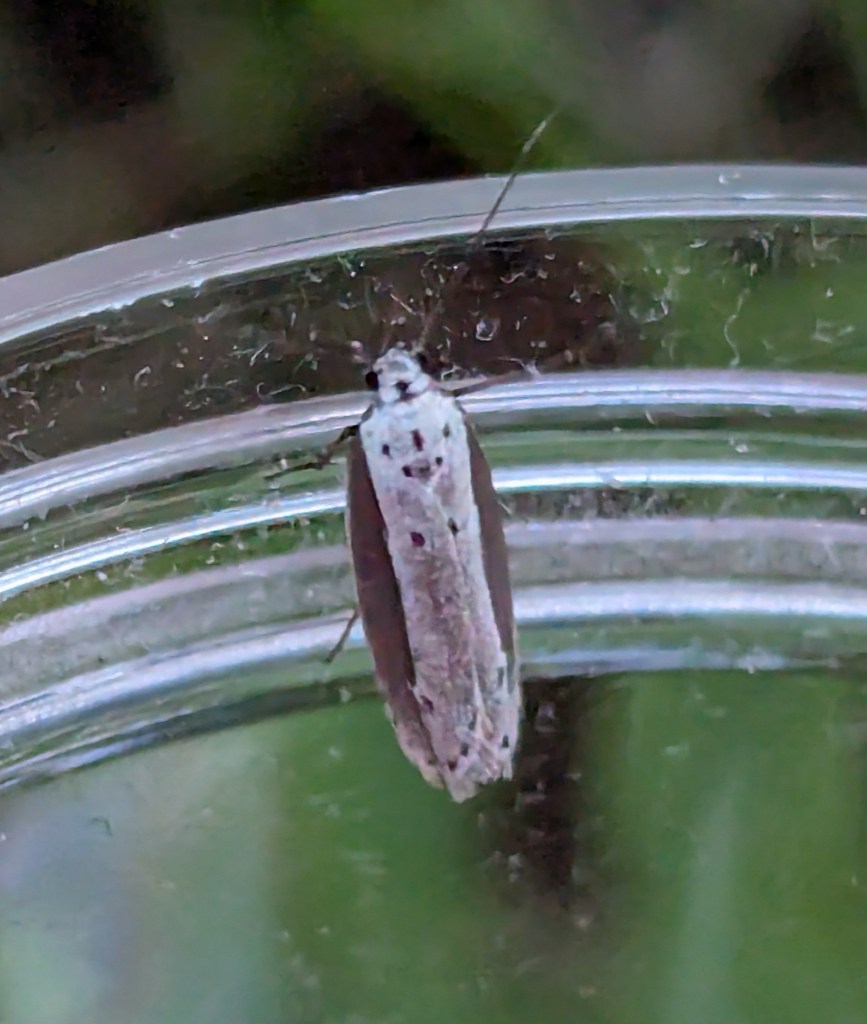
It has much the same jizz (see birding term) as other Ethmia and at 10.5 – 13.2mm is on the larger size for the other known BC species:
- E. monticola (11 – 14.5mm)
- E. marmorea (8.8 – 11.7mm)
- E. albistrigella (7.2 – 9.4mm)
- E. coquillettella (6.5 – 8.4mm)
The species is known to feed on Lithospernum spp. In the region, Western stoneseed (Lithospermum ruderale), Narrowleaf puccoon (Lithospermum incisum) and Common gromwell (Lithospermum officinale) are present.
2. Homosetia costisignella
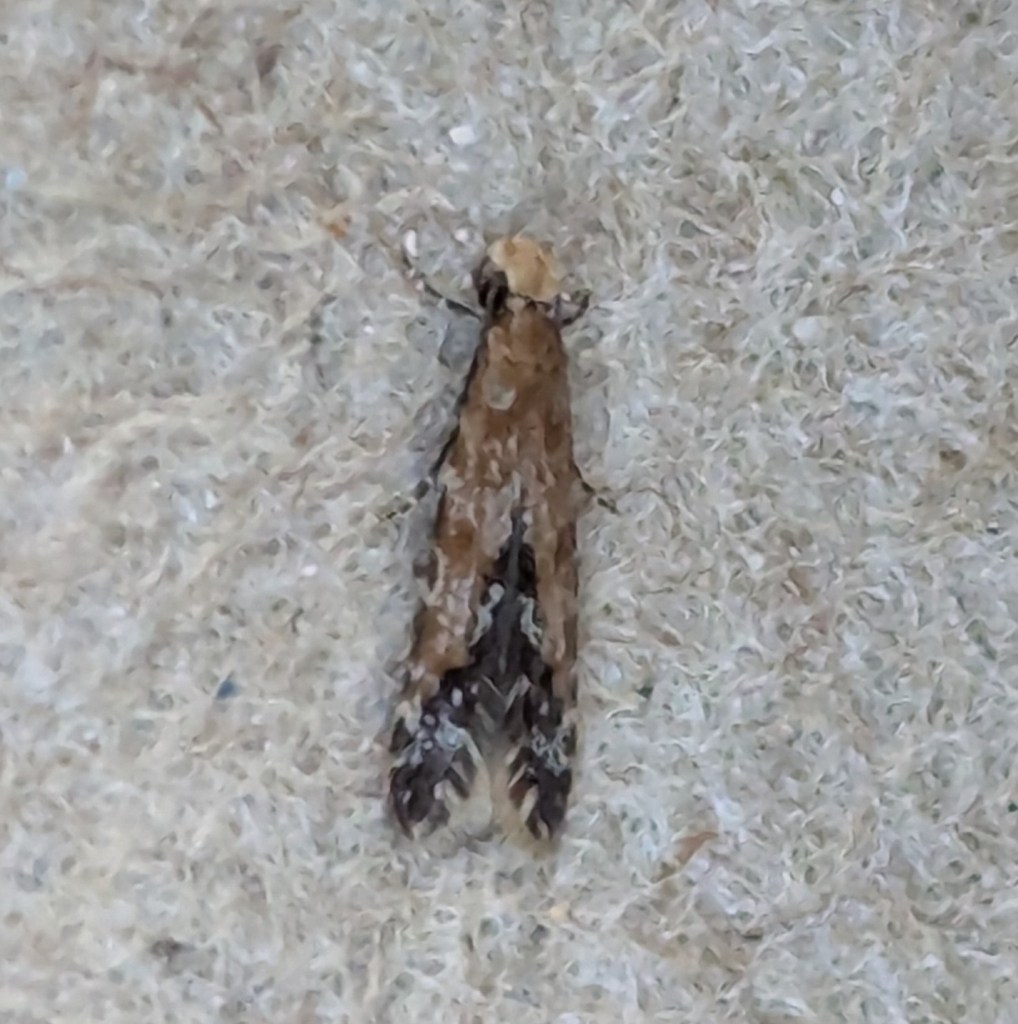


Funny little chap in the Tineidae family. As you can see from the reported range map, the location was pretty absurd, but it’s such a distinctive little thing it seems likely I could get it corroborated.
3. Scardia anatomella (“Pied Scardia”)
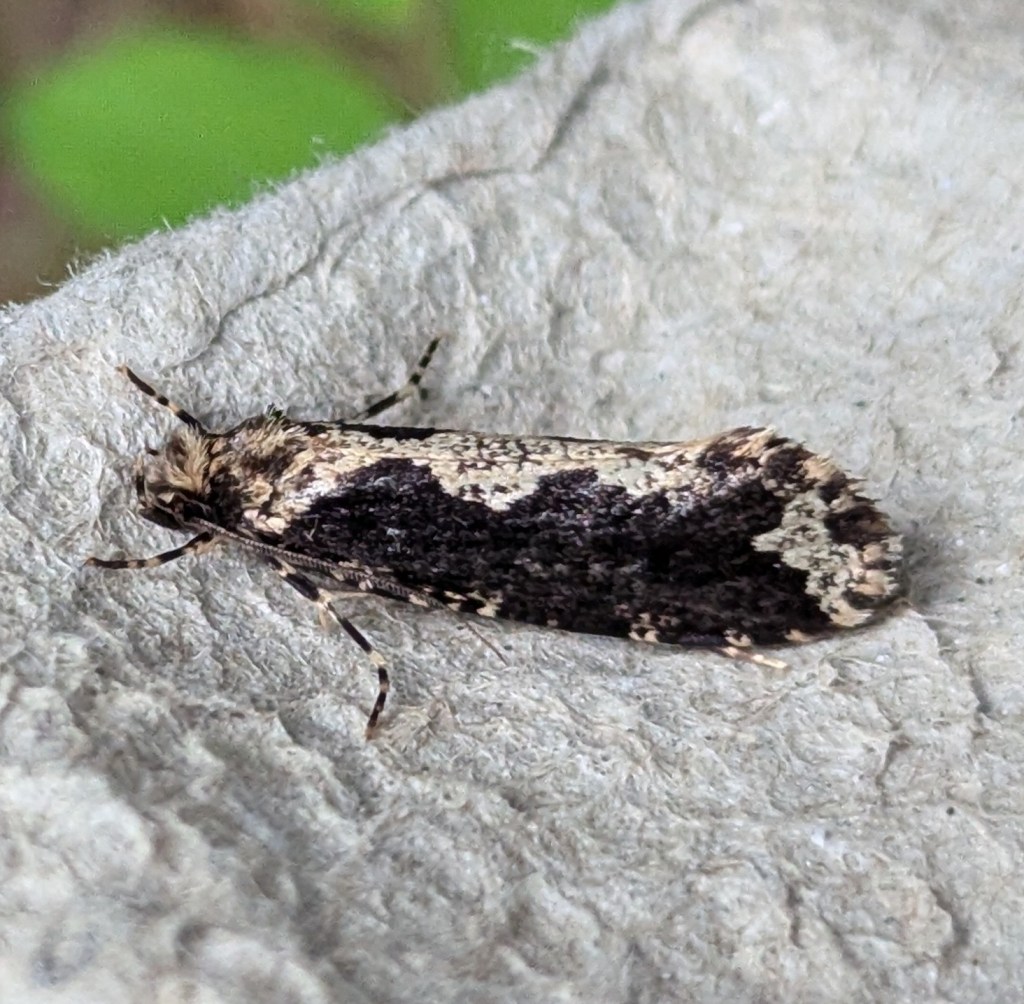

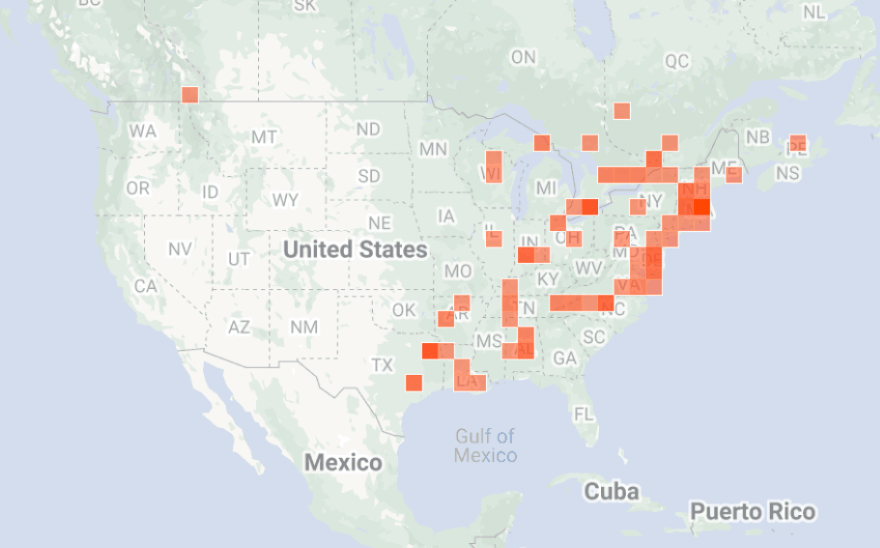
This ID has now been corroborated on both bugguide and iNat.
Quite the eccentric location to spot this fellow, but again, it was extremely distinctive. Large moth. I was surprised it was in the Tineidae.
4. Anacampsis agrimoniella (“Agrimony anacampsis moth”)
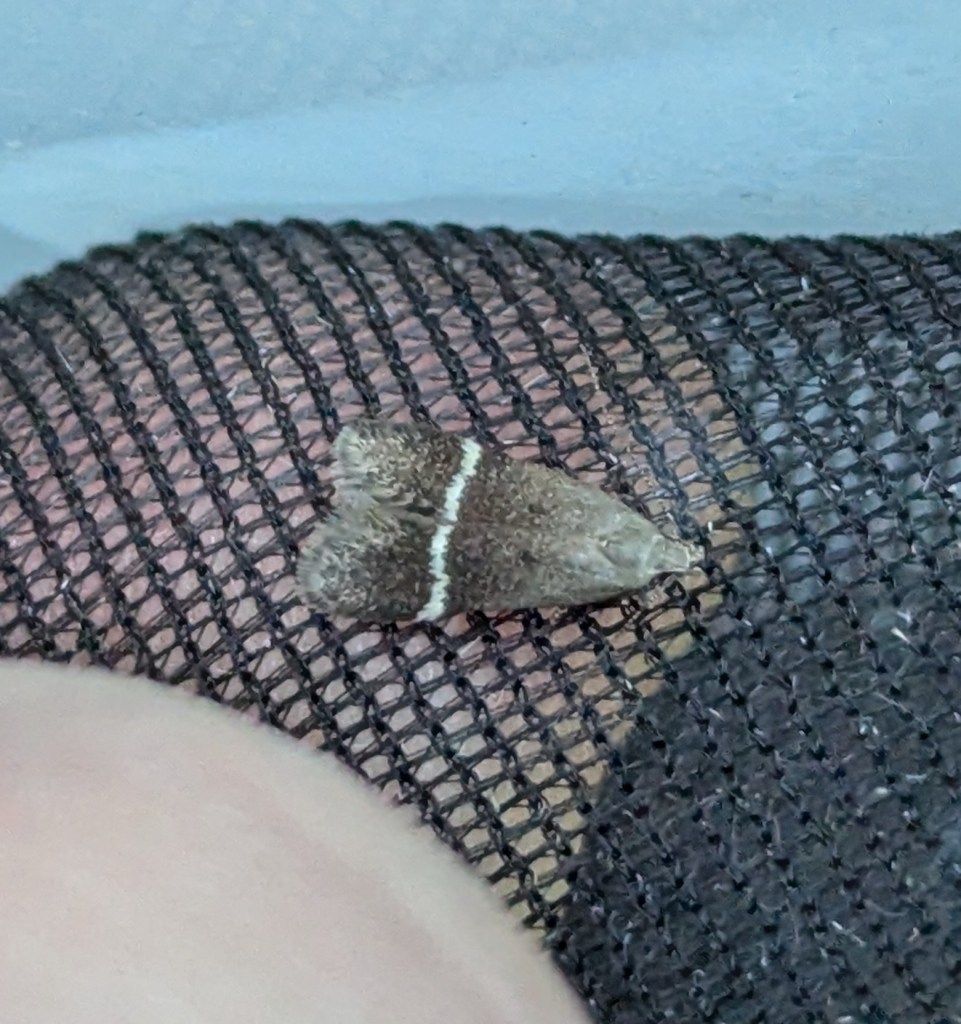
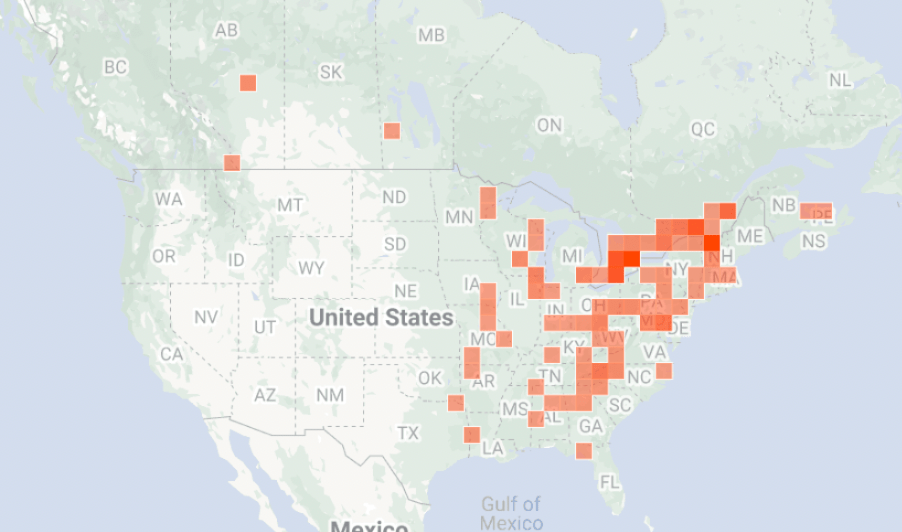
This ID has also now been confirmed.
Gorgeous little moth that I saw outside Sparwood, BC. It was at the very top of the lepiLED net so I had to slowly peel back the string to take the shot. Photos never work out well with that black mesh in the background, I’m not sure why. I tried to extract it for a shot with a more amenable background but it flew off, alas.
As the species name implies, the larvae rely on the Agrimonia genus as a host plant. It’s present in the area.
 BC Moths