
Orthosia are a common genus of noctuid1 found worldwide with over 50 species, 9 of which have been recorded here in BC. They’re one of the earliest noctuids I see here on Bowen Island each year, and after the moth-bereft winter months it’s always a joy to see them again. This year (2024) was no exception, with an Orthosia praeses gracing my light sheets on March 14th (a late start). So far I’ve seen 7 of the 9. As with other pages on this site, I’ll limit myself to posting my own photos.
Orthosia praeses

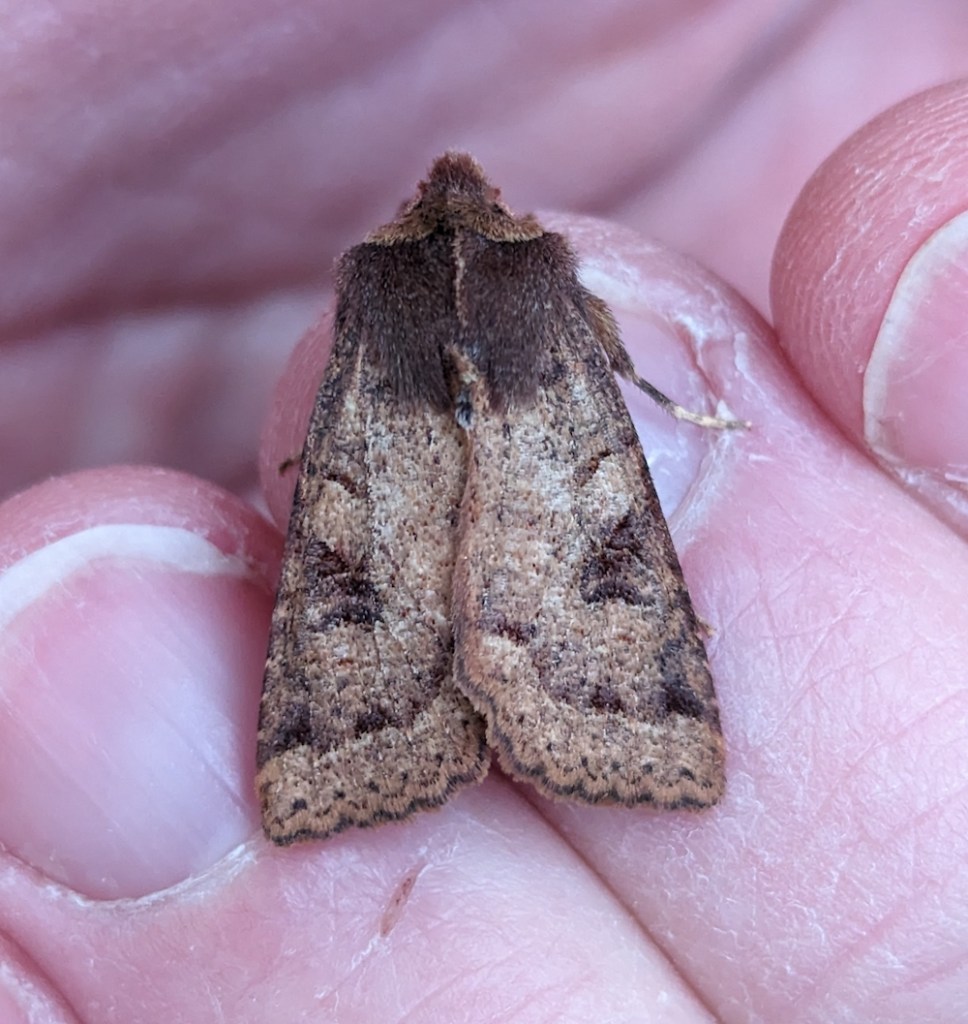
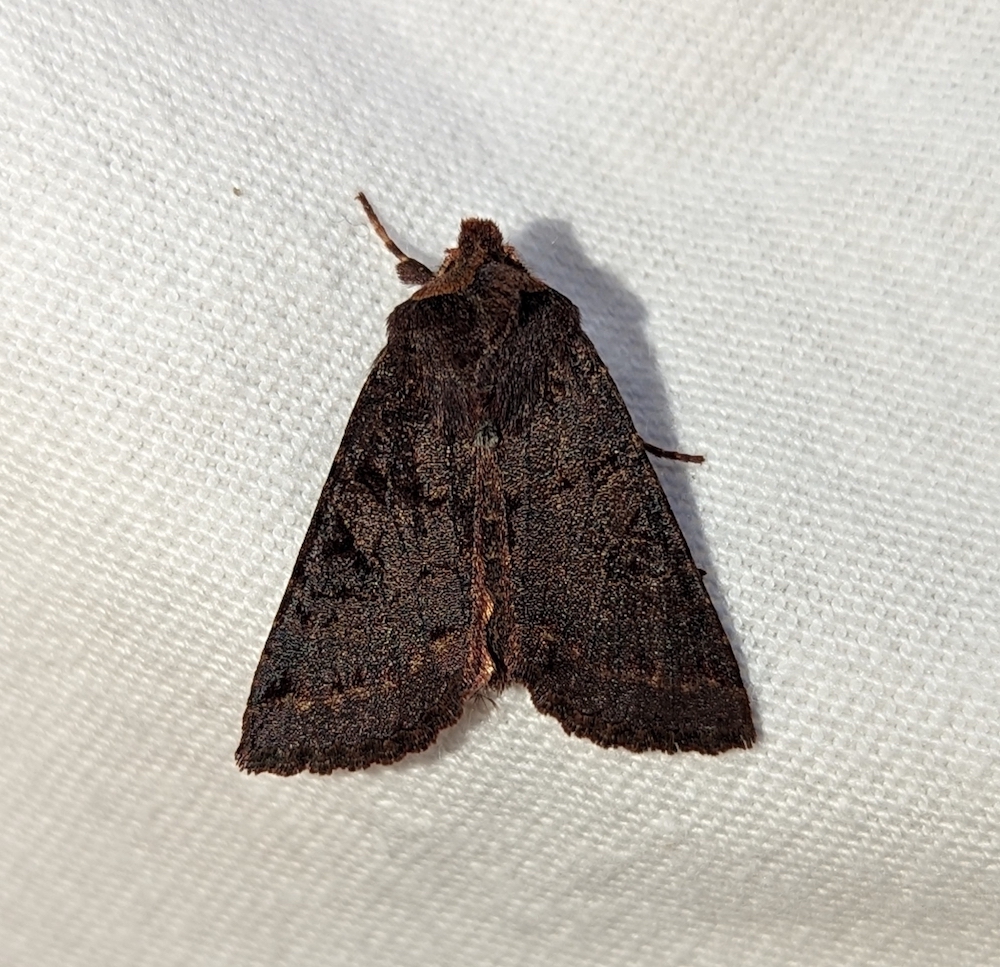
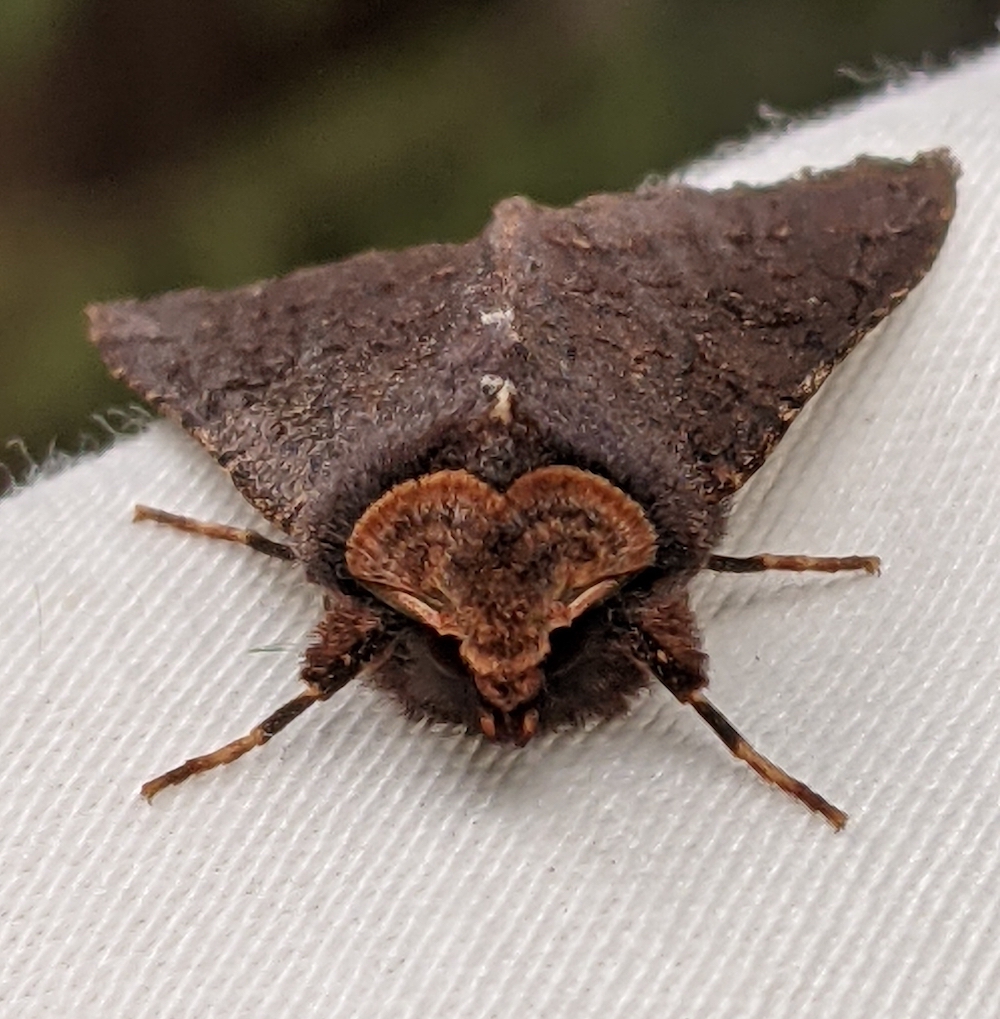
One of the more common Orthosia species here in BC and Bowen Island. They’re variable enough that I found them a little tough to ID at first, but the overall shape, generally reddish colouration and lighter thoracic collar (see last image) compared to the thorax make it pretty clear. Also note the lighter terminal area with the strongly demarcated PM line in the first two images. That’s a common form.
They’re an early year moth, tapering off by early May.
Orthosia hibisci (Speckled-green fruitworm moth)
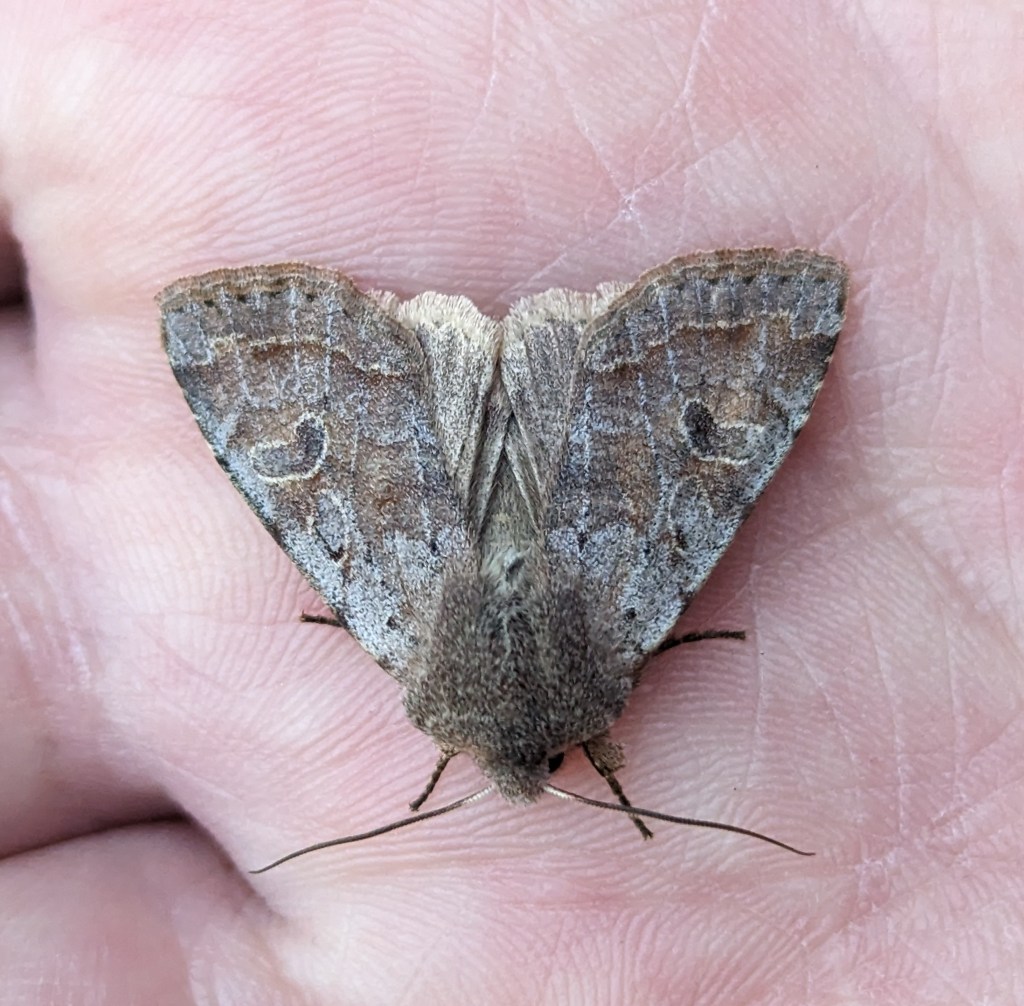
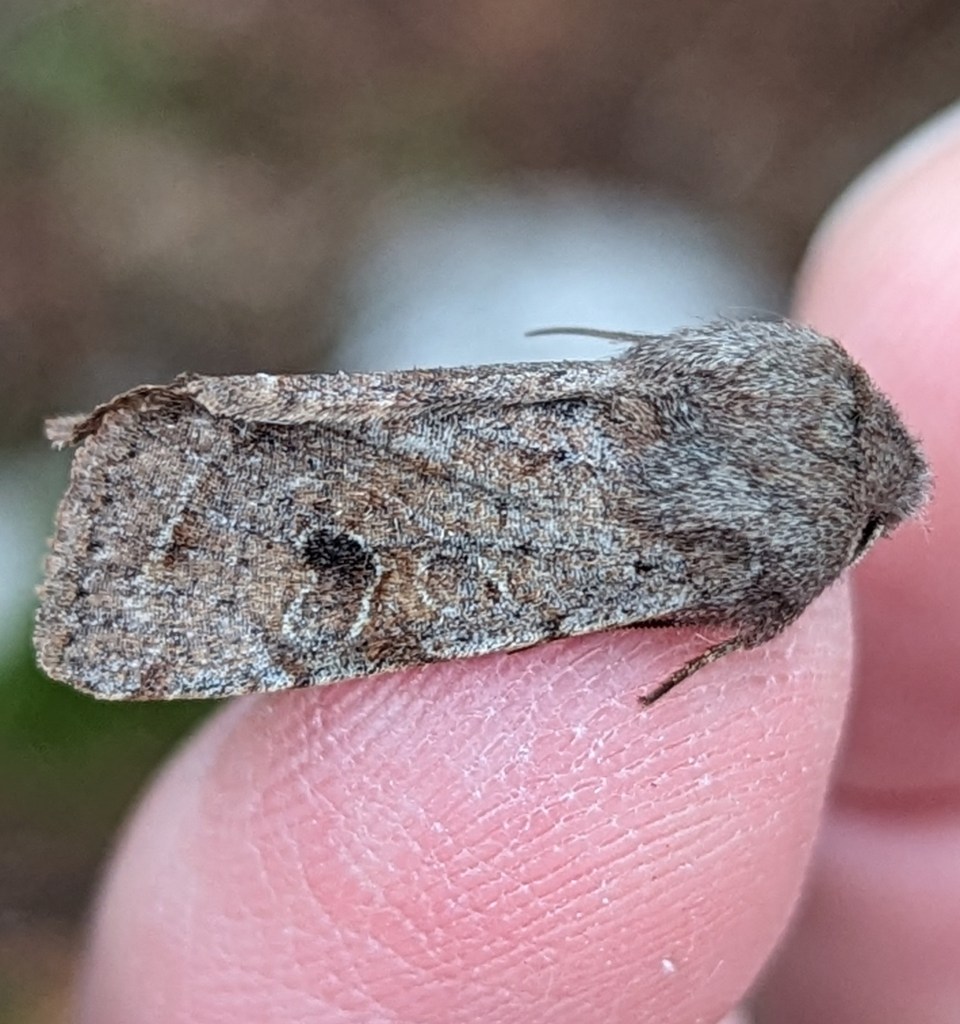
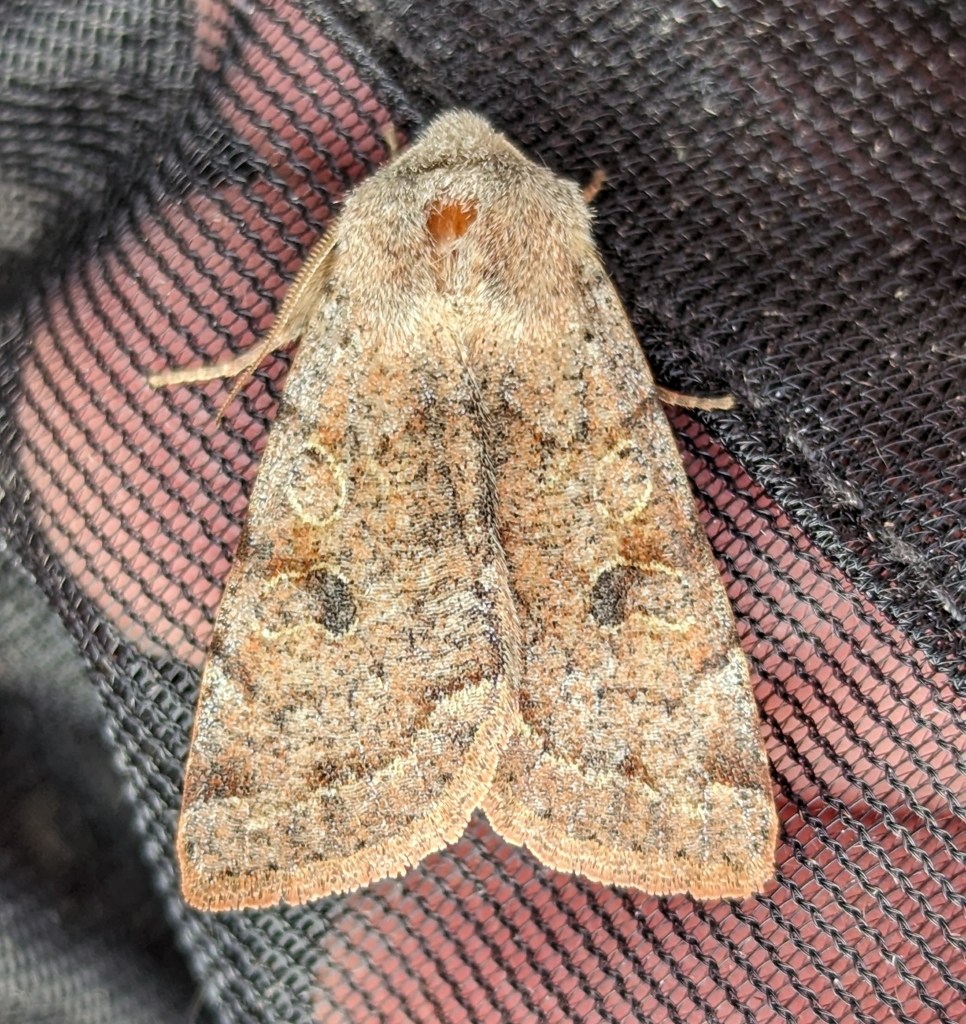
Another common Orthosia found all over the province. The most common form are shown in the images above – sort of a dull brown with grey-bluish notes, but they can also be more reddish (much like the second photo for O. revicta below). Generally only confused with O. revicta (see below for a key ID tip).
These fly a little later than O. praeses, late February to early June.
Orthosia revicta (Subdued quaker)
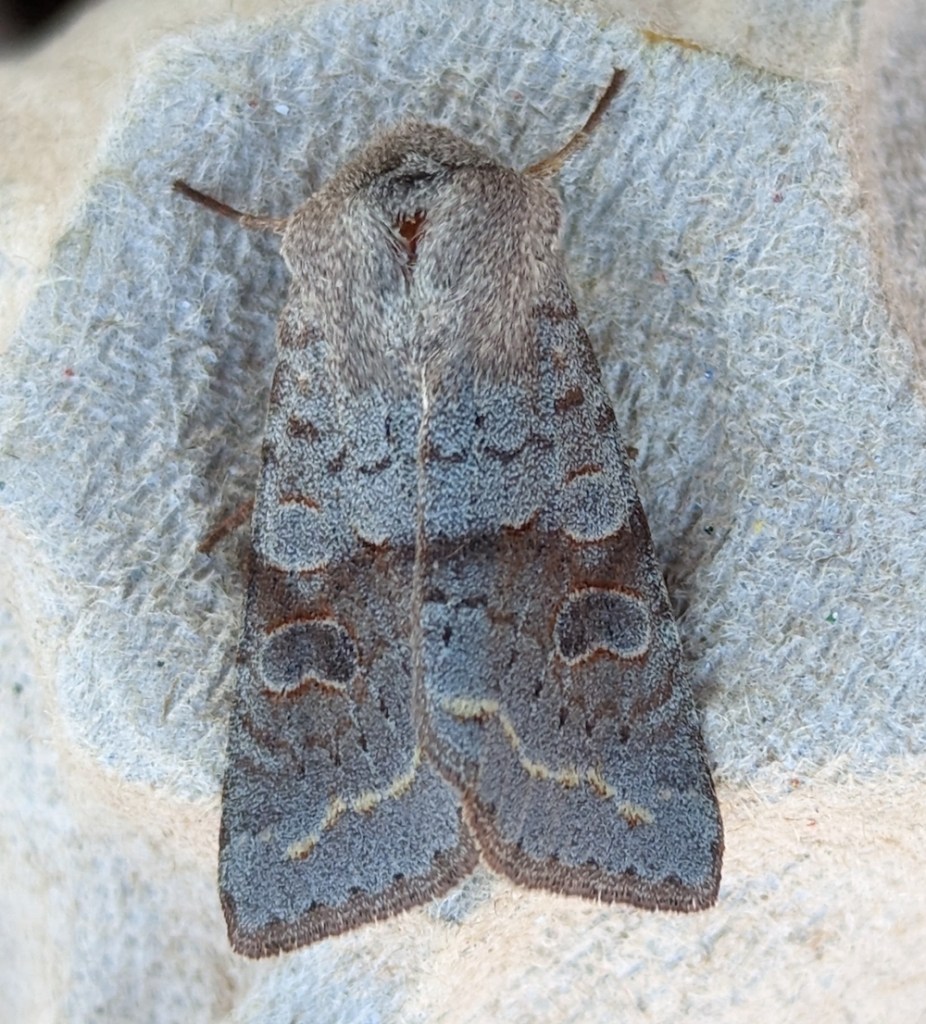
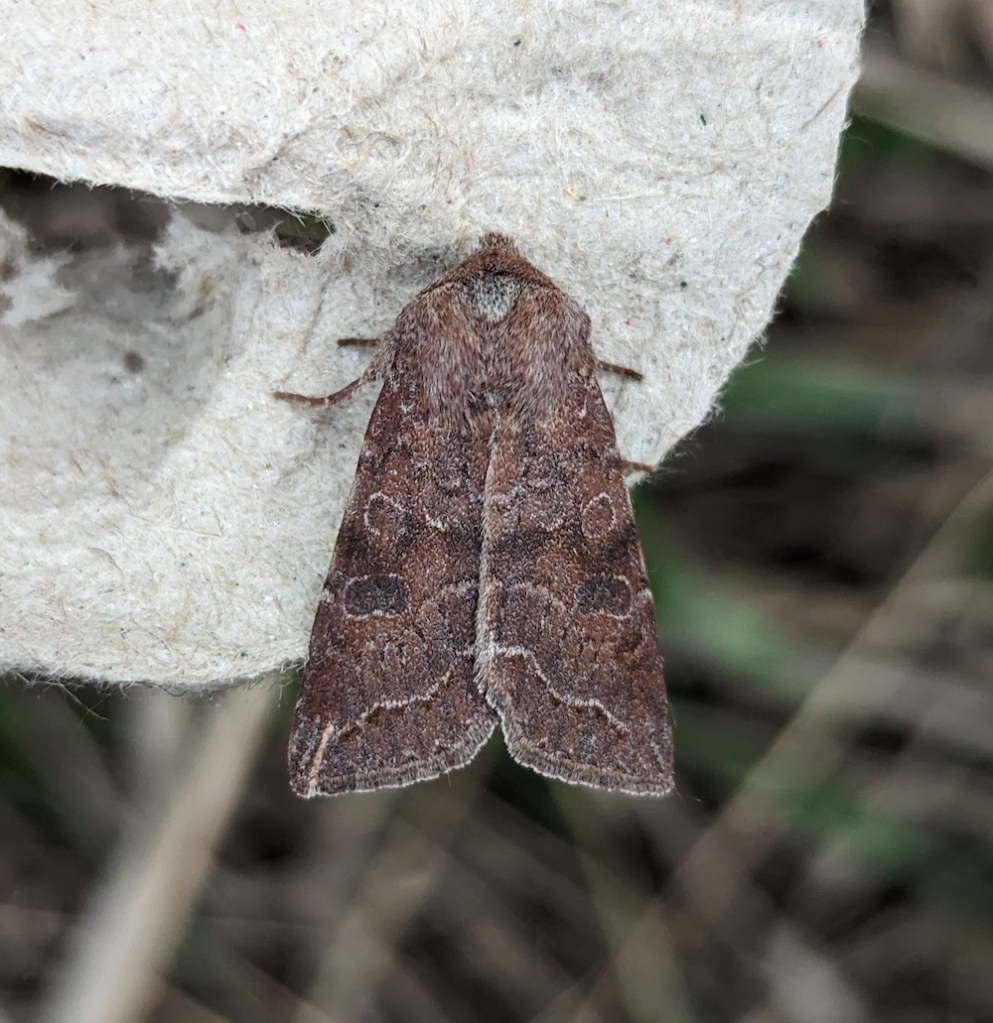

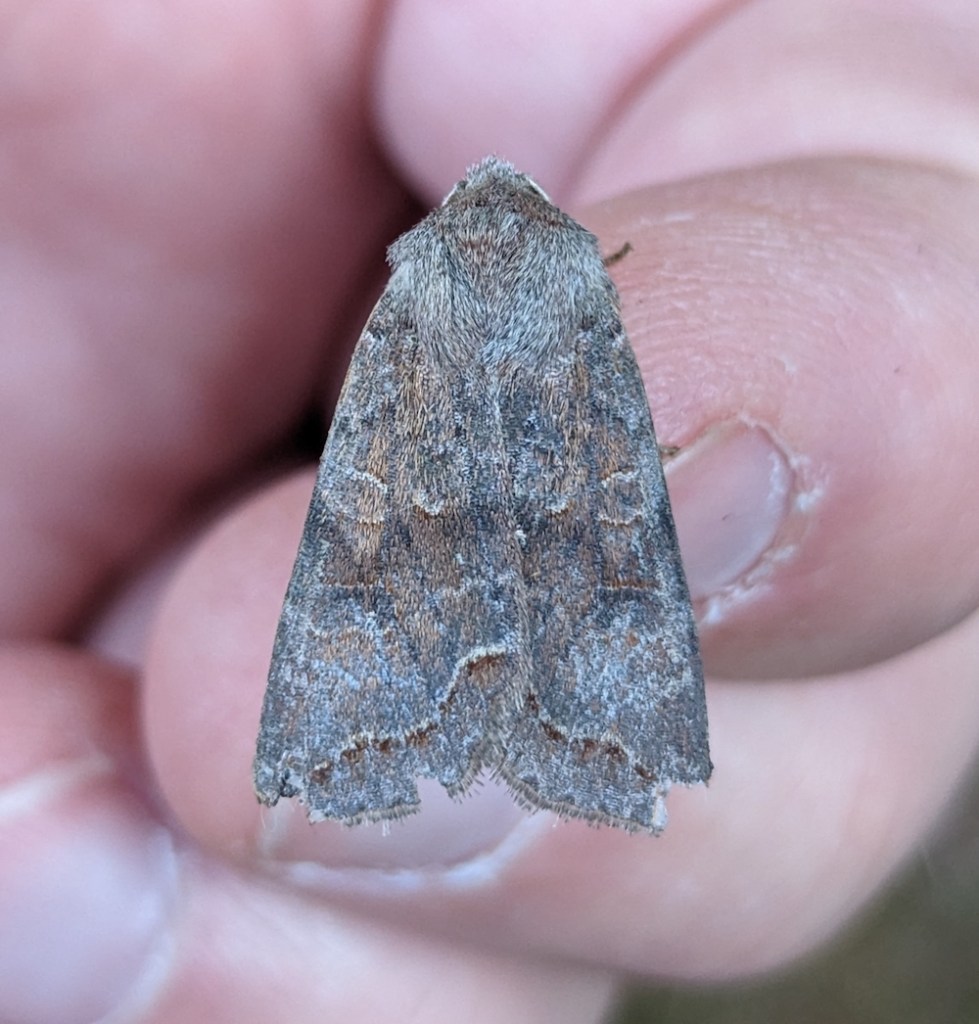
At first blush revicta look a lot like hibisci, shown above, and it’s true, they can be remarkably similar. The one goto feature to separate the two is the order of the colours of the post-medial (PM) line. In revicta the darker line is posterior; in hibisci it’s anterior. To put that in human English, take a look at the first revicta image – see the very pale line towards the end of the wing, furthest from the head? That’s the PM line. If you look closely there are two colours there: a pronounced pale yellow line and just beneath it (posterior, i.e. away from head) is a thinner redder line. The strength and widths of the colours is variable. Now compare that with hibisci above and you’ll see the order is reversed.
In BC, O. revicta fly from April to June.
Orthosia transparens
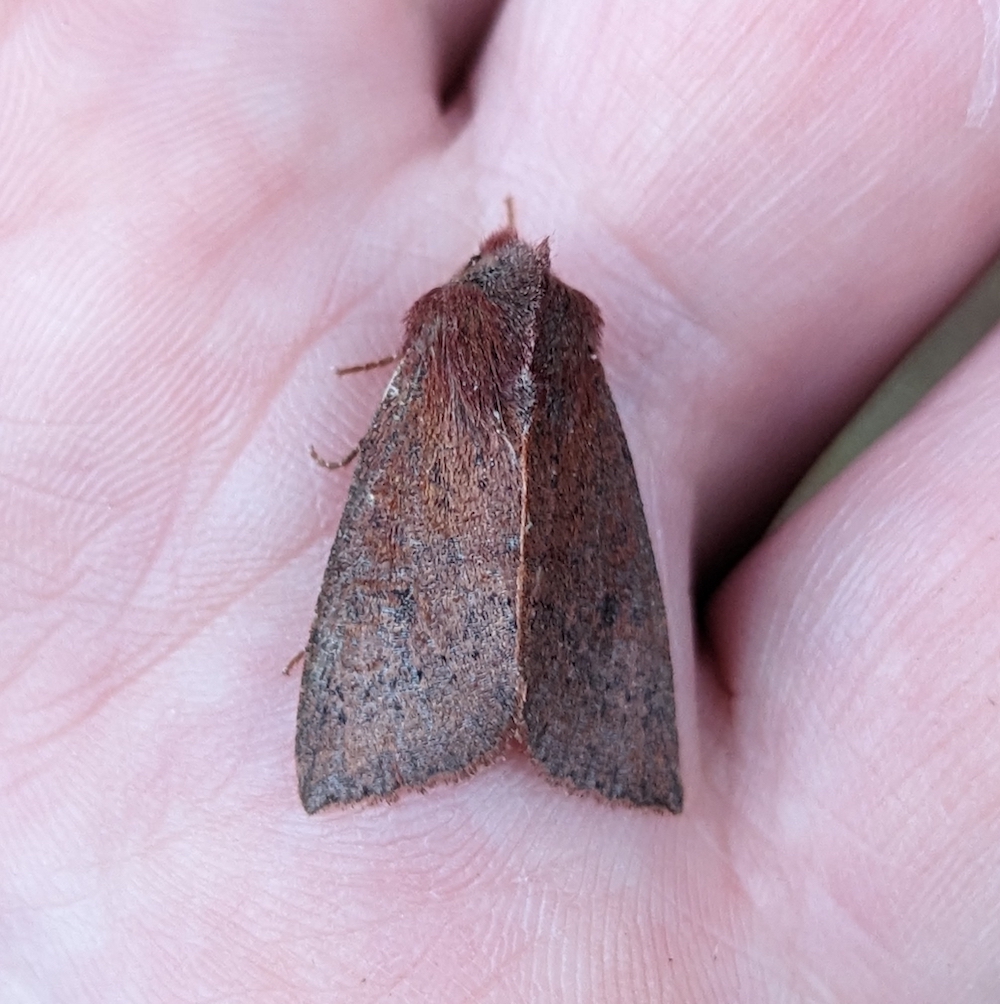
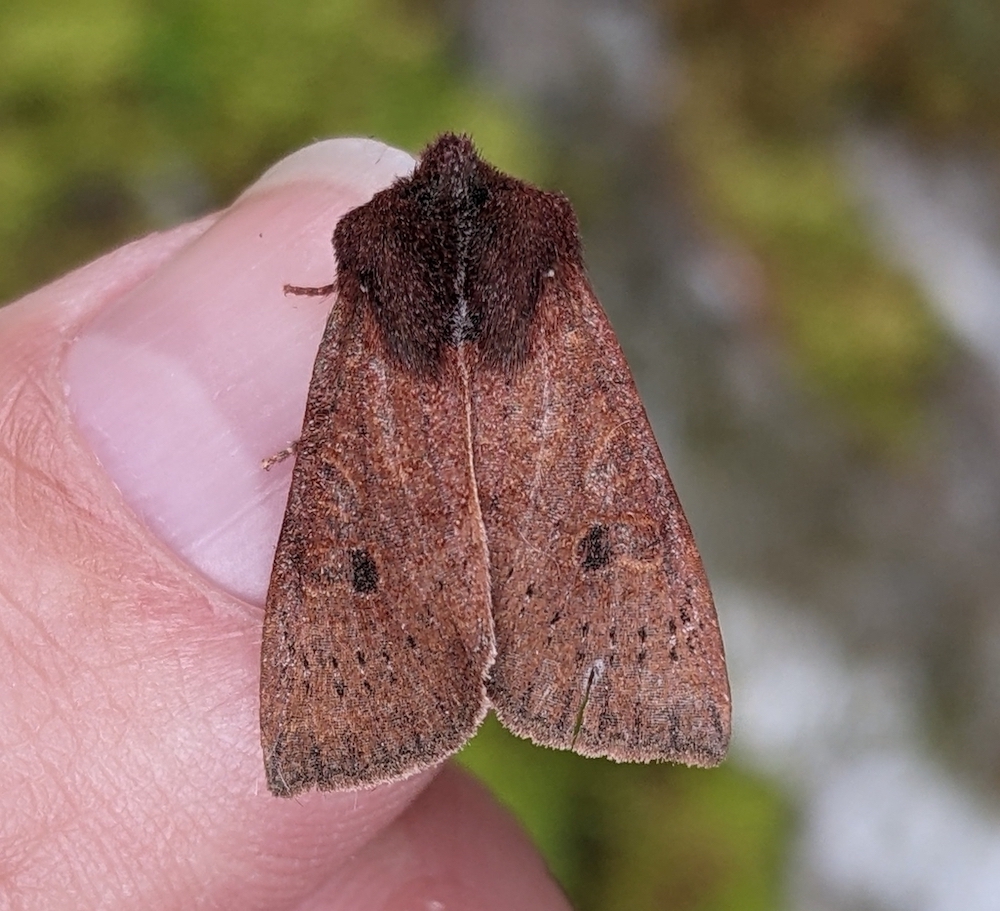
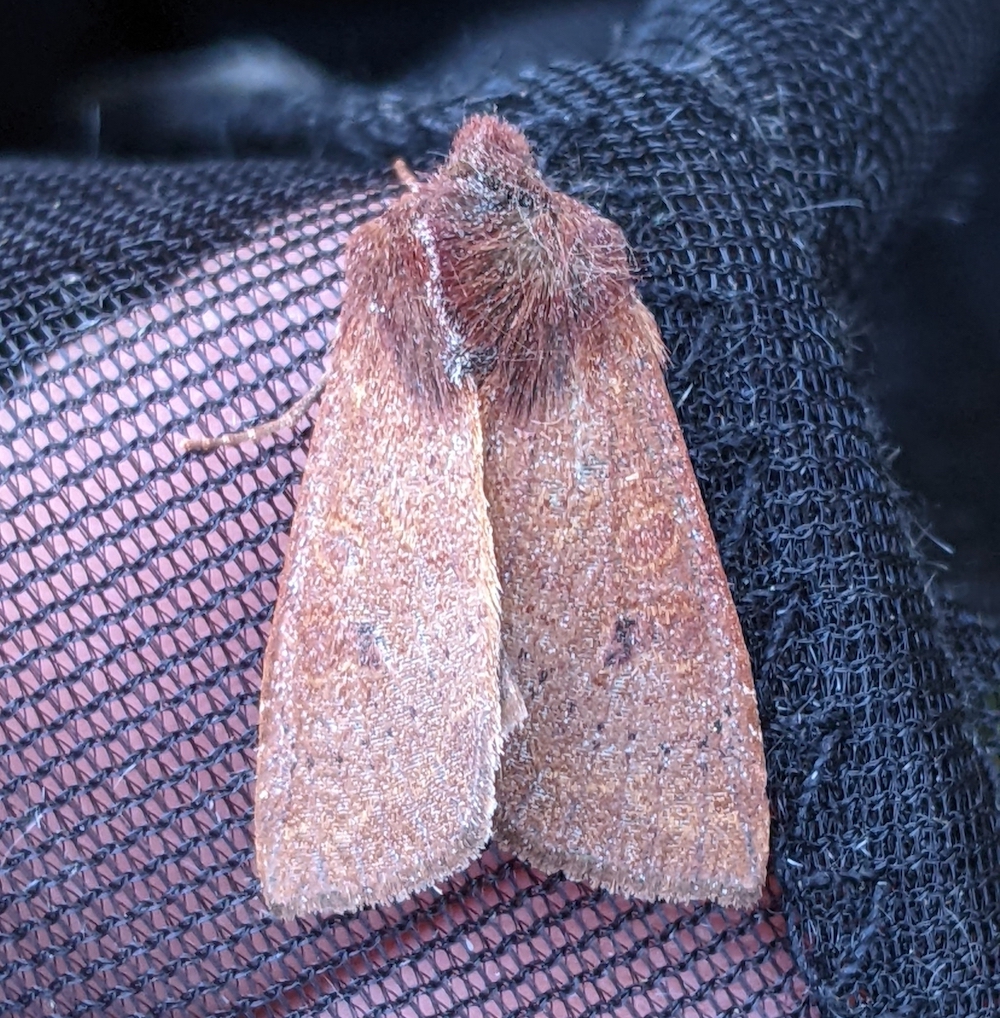
A pretty uniform red-brown moth, sometimes quite bright. For me the obvious diagnostic characteristic that stands out the most is sharp line of the wing which at rest forms a ridge along the trailing/posterior margin (the centreline down the moth), making it look like its pitched a tent. Only found in the lower mainland and Vancouver Island, it’s not likely to be confused with much else. PNW mentions that O. pulchella can be similar, but it’s not a species I’ve yet seen much to get a sense of the variation.
Flies from March to May.
Orthosia pacifica
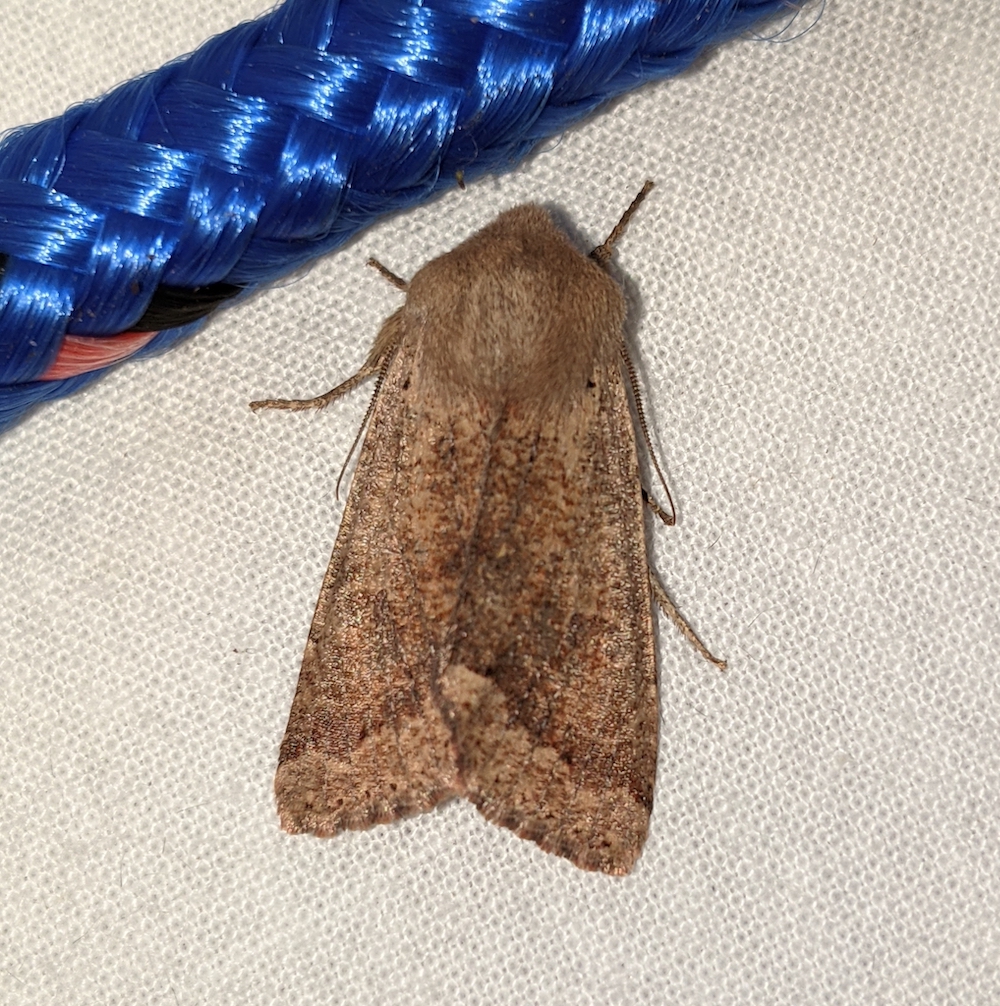
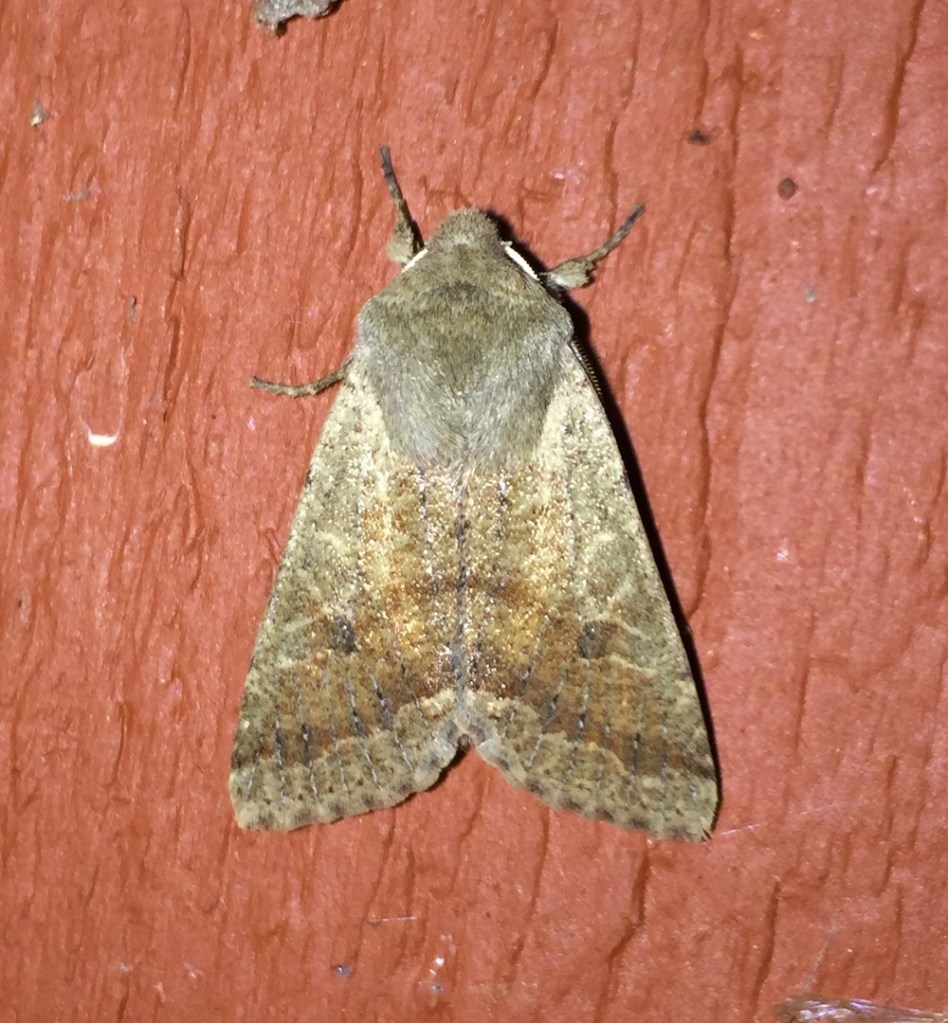
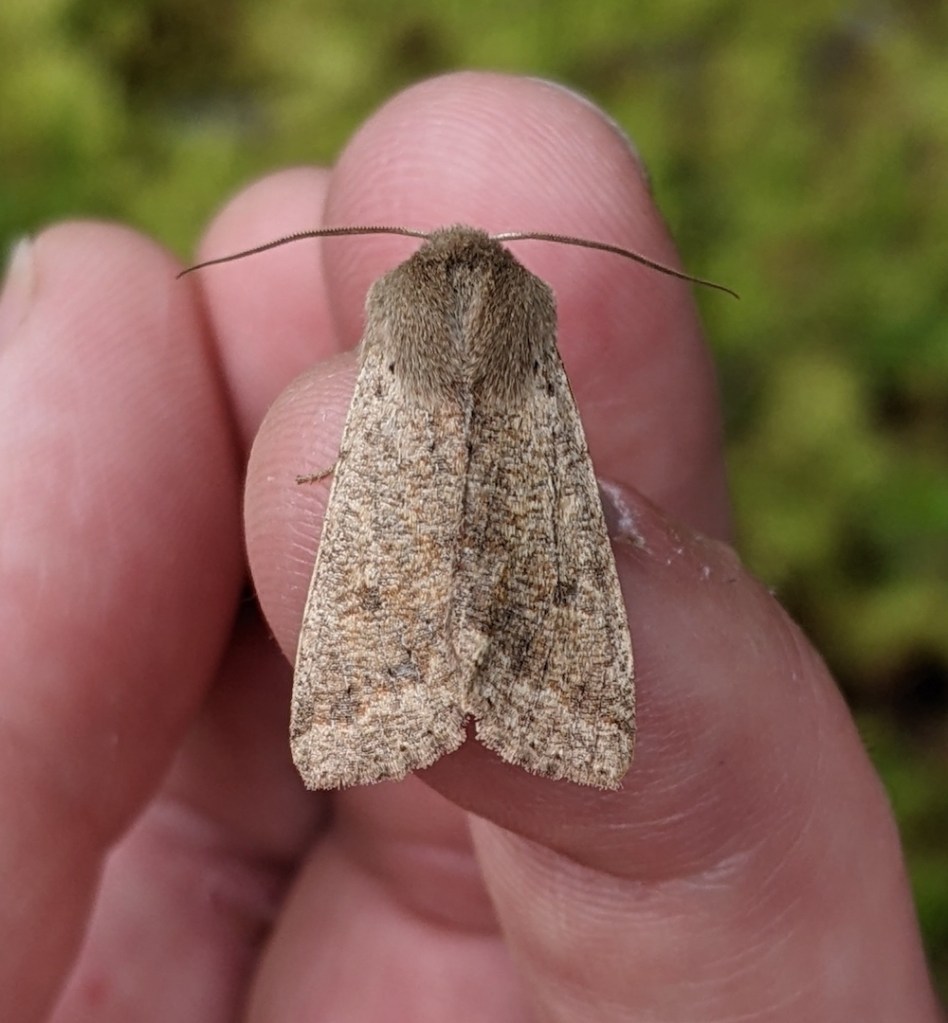
A pale-brown, ochre moth, similarly shaped to revicta and hibisci. Not much variation. In the past the colouration has been the big tip-off to me for identifying it, but the tiny black dots at the wing base (where the wing meets the thorax) but I find this can be a little close to hibisci. I’m rather curious about their range. The vast bulk of the sightings in BC are from the lower mainland, but I’ve seen one specimen in the lower Okanagan and there’s another sighting from Nelson. In 2023 on a wild and stormy night I saw this individual which
Flies March to May.
Orthosia segregata
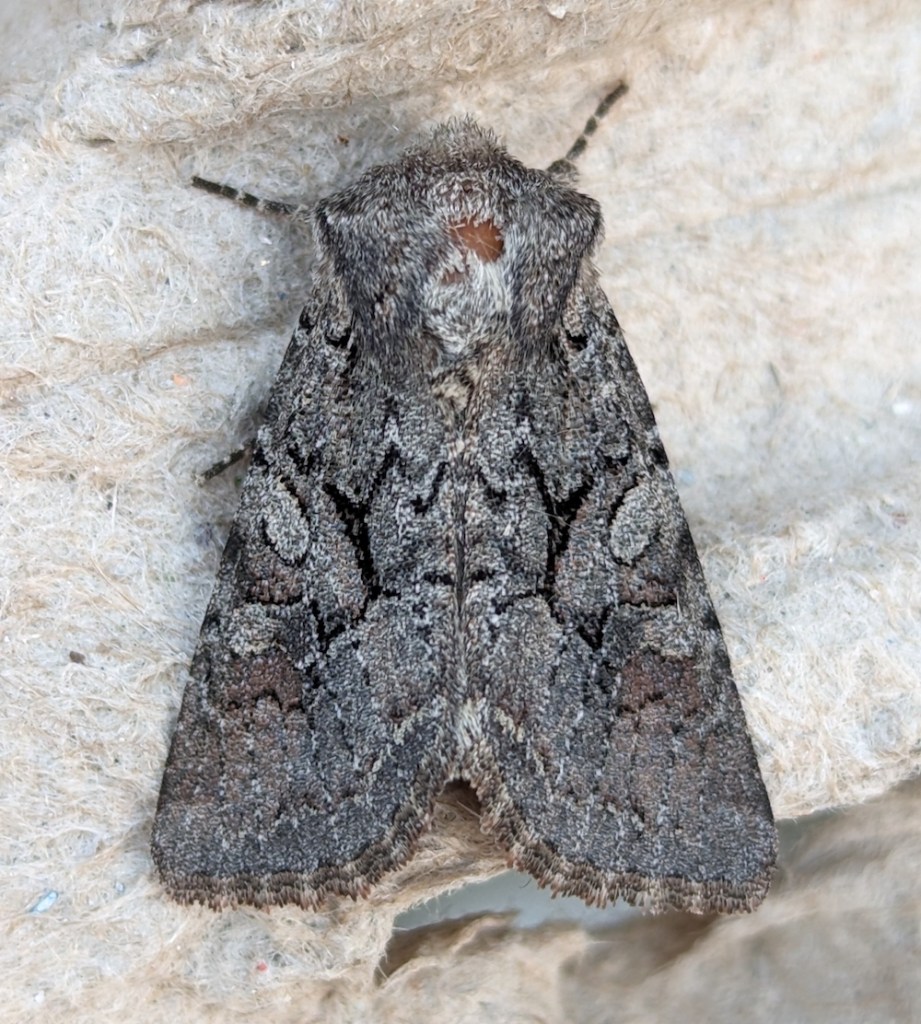
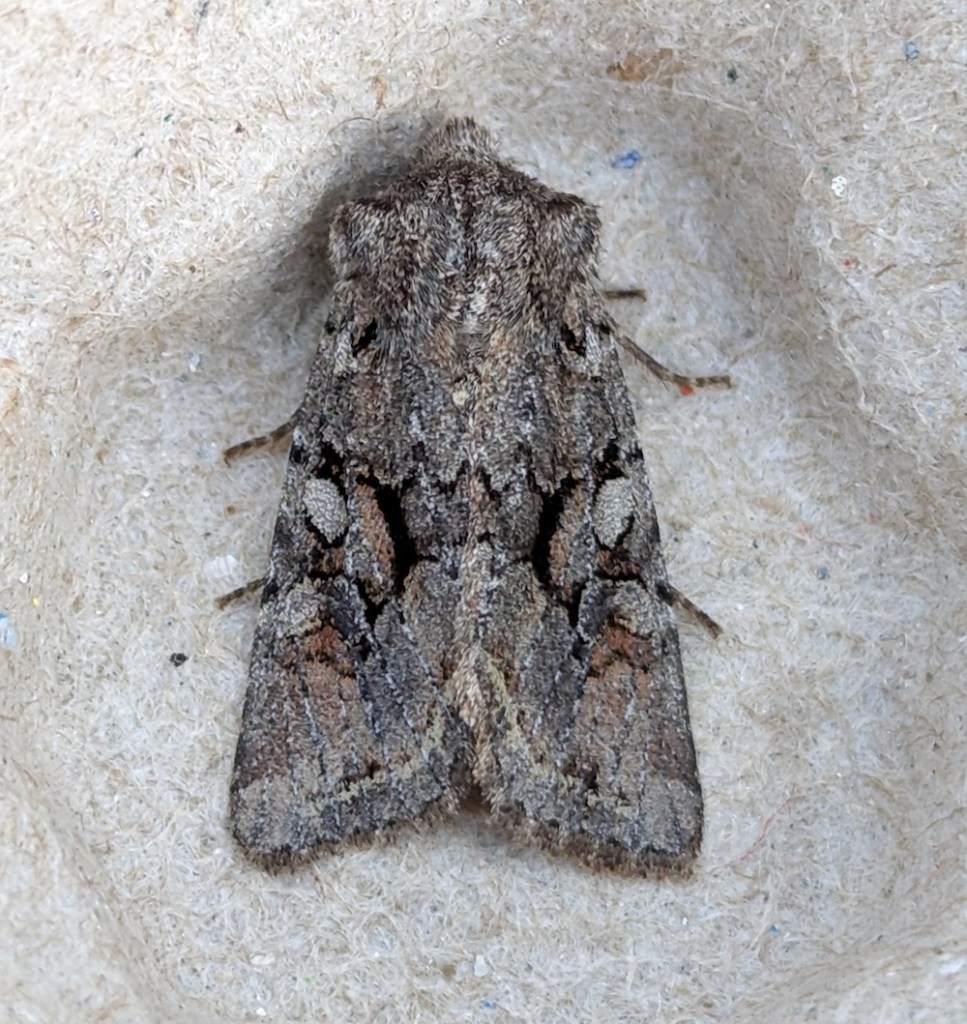
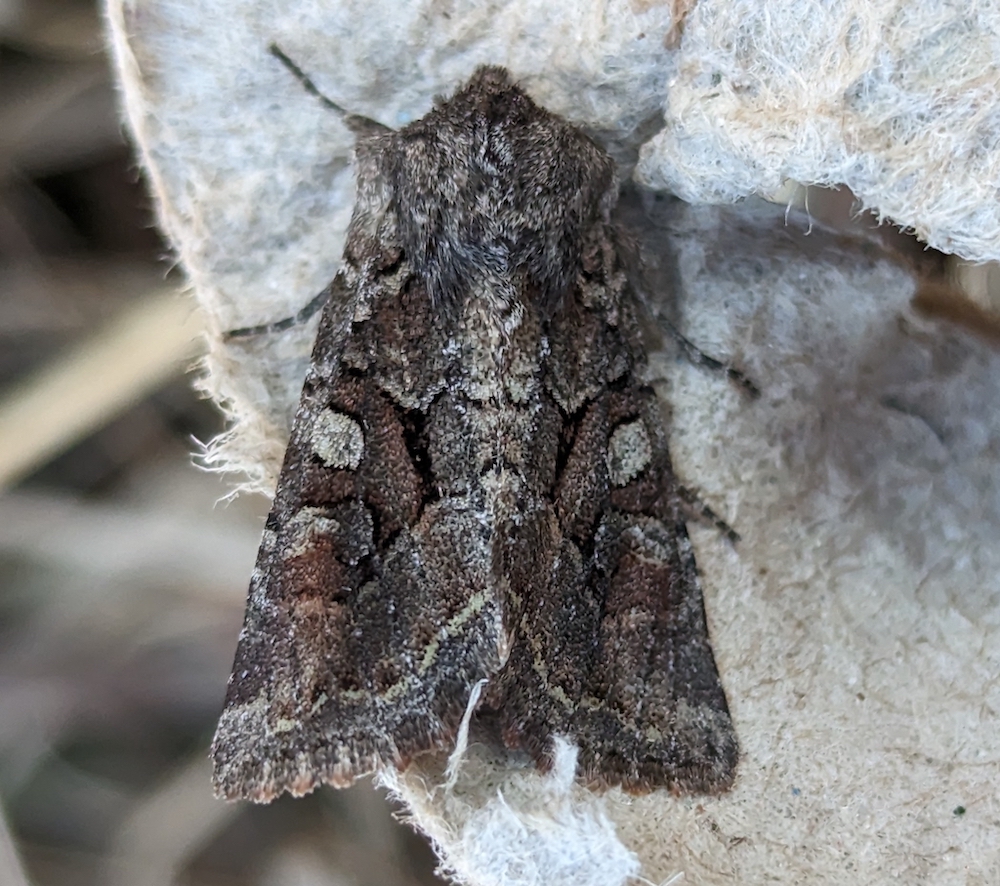
Absent from the lower mainland and Vancouver Island, flying in boreal forests, I only saw this for the first time last year (2023). I was a little surprised it was an Orthosia, to be honest. PNW moths mentions it’s most similar to Lacanobia grandis.
Flies April to June.
Orthosia pulchella

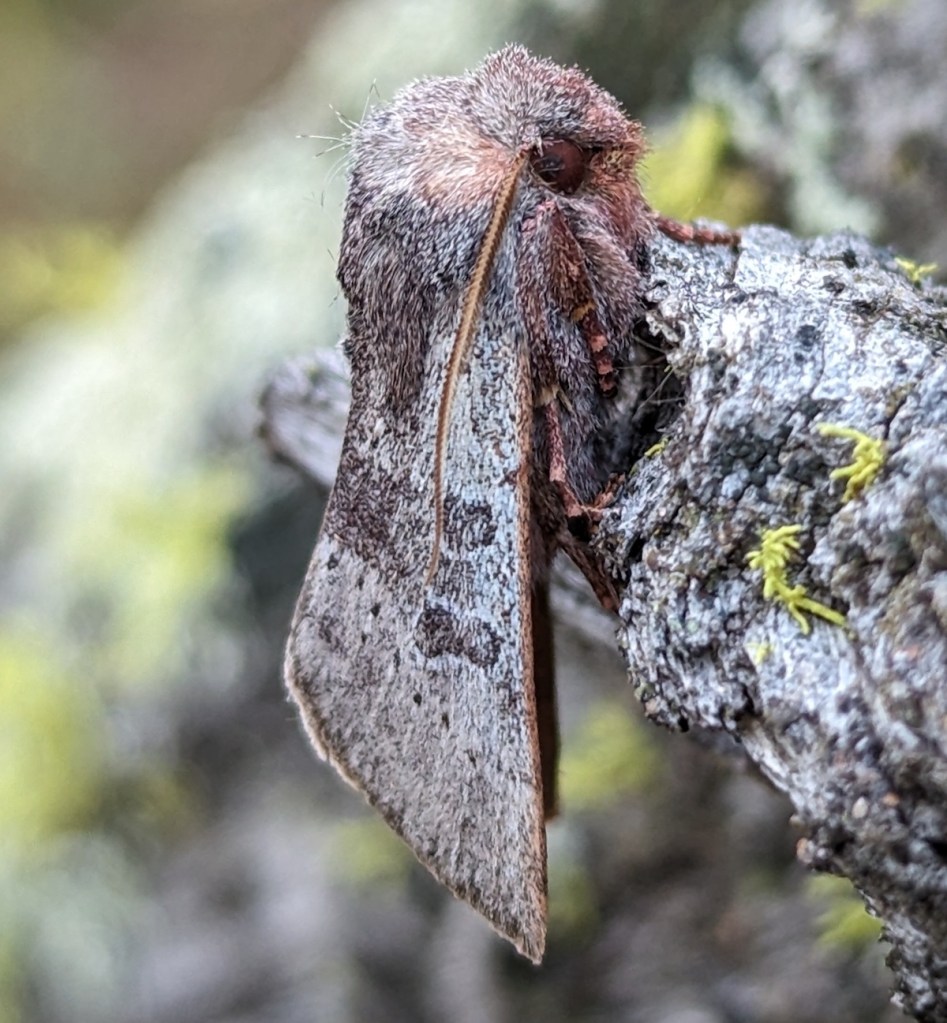

Not spotted often in the province, O. pulchella (latin for beautiful and small) is an attractive, variable moth with silvery, blue-grey and chestnut on the forewings. PNW moths mentions that despite its variability, few spring moths are of this colouration. I’ve only seen a couple of individuals both in April 2024, shown above – the first from Oliver, the second Lillooet. It’s reported to be only 15-16mm but I didn’t notice either were very small. The first individual was quite unique looking – the second very much like someone took a photo of O. transparens and messed around with it in photoshop to screw up the colours. Same markings, same median ridge.
Flies March to June.
Orthosia mys
My Orthosia white whale! These are found in the very south of the province, mostly on Vancouver Island, but a chap who’s tantalizingly close to me on the Sunshine Coast frequently encounters them. They’re a very attractive, red-brown moth.
Flies in the late Fall, Oct-Nov
Orthosia ferrigera
Very uncommon in BC. So far, all sightings on iNat are from Victoria BC. As the name implies it’s orange-brown in colouration.
Flies March to May.
- Noctuid = a member of the Noctuidae family. ↩︎
 BC Moths